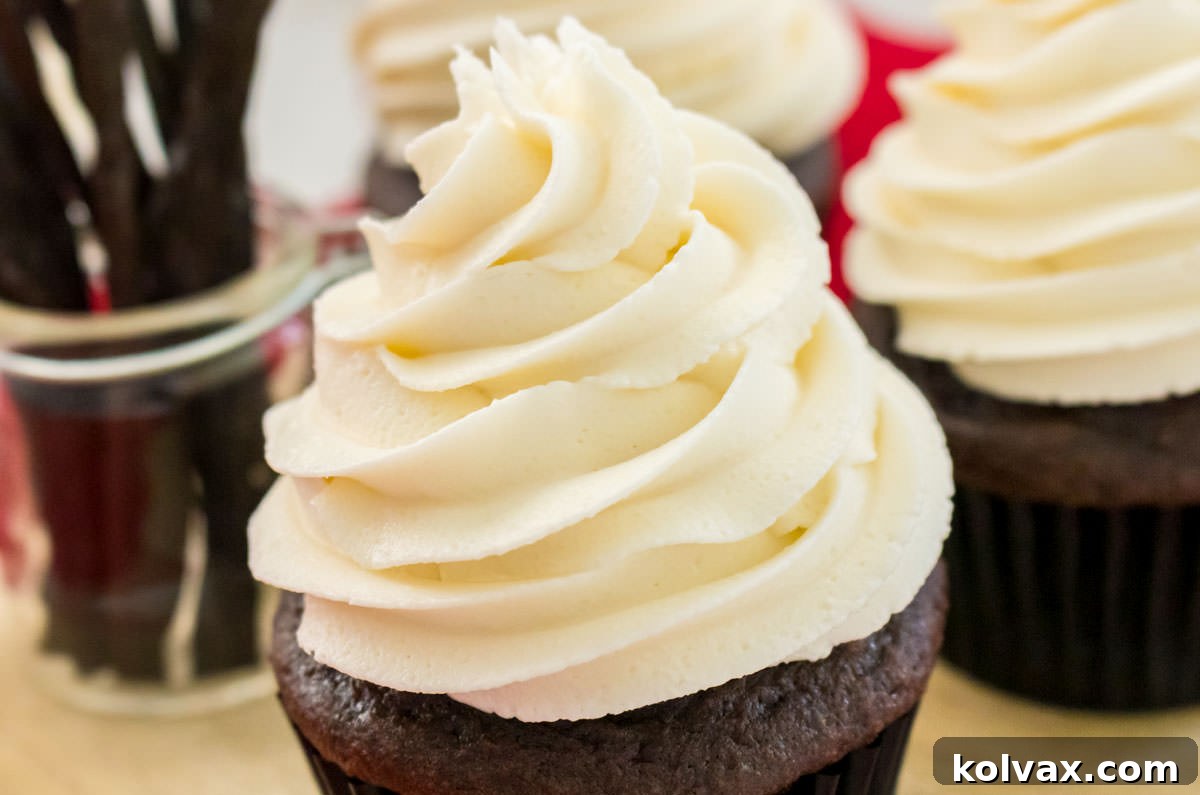
Prepare to transform your baking with THE Best Buttercream Frosting recipe you’ll ever find. This incredibly simple yet profoundly delicious frosting is our absolute go-to, promising to elevate any dessert it graces with its light, fluffy texture and rich flavor. Get ready for compliments – we promise this recipe will become your new favorite!
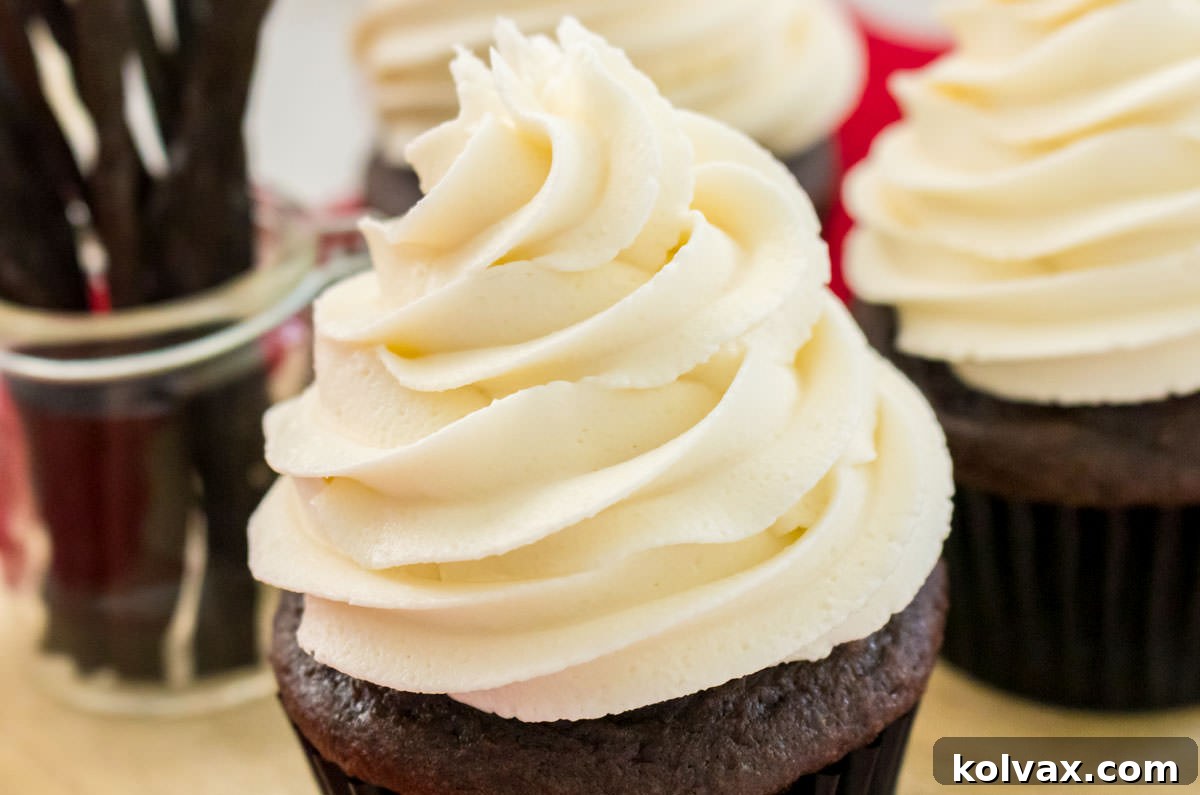
For many home bakers, the thought of store-bought frosting is enough to make them cringe. While its convenience is undeniable, we firmly believe it often detracts from the true potential of an otherwise exquisite dessert. Its artificial taste and often overly sweet, greasy texture simply don’t compare to the homemade alternative. We proudly declare that we’ve never resorted to a can of frosting, a stance that might just earn us the title of “frosting connoisseurs” – and we embrace it wholeheartedly! For as long as we can remember, this exact buttercream recipe has been our trusted companion in the kitchen. It’s not just remarkably easy to whip up; it consistently delivers a taste and texture that store-bought versions can only dream of. Every cake, cupcake, or cookie it adorns instantly becomes a masterpiece. You’re about to discover why it’s truly hailed as the best buttercream frosting.
Why Homemade Buttercream is the Ultimate Choice for Your Desserts
Many aspiring bakers might hesitate to make their own frosting, anticipating a complicated or time-consuming endeavor. However, once you experience the rich, creamy texture and the unparalleled freshness of homemade buttercream, you’ll understand why it’s worth every moment. Unlike the sometimes cloyingly sweet, bland, and often artificial flavors found in commercial frostings, homemade buttercream offers a delightful balance. It empowers you to control the quality of your ingredients, allowing you to choose premium butter and pure vanilla extract for an authentic taste. Furthermore, you can precisely adjust the sweetness level to suit your palate. This specific recipe excels in achieving that perfect light, airy, and incredibly fluffy consistency that not only pipes beautifully but also melts delicately in your mouth, leaving a truly memorable impression on every bite. It’s a game-changer for any dessert.
Gathering Your Essential Ingredients for Fluffy Buttercream
The journey to creating extraordinary buttercream begins with a concise list of high-quality ingredients. While the components are few, each plays a pivotal role in achieving the signature fluffy texture and rich, delicious flavor. Here’s a closer look at what you’ll need:
- Unsalted Butter: We highly recommend using good quality unsalted butter. While the original article mentions salted butter, using unsalted butter gives you precise control over the overall saltiness of your frosting, especially if you choose to add a pinch to balance sweetness later. Your butter’s temperature is paramount: “slightly softened” means it should yield gently when pressed with a finger, leaving a slight indentation, but still hold its shape. It should not be melted or greasy, nor rock-hard straight from the refrigerator. This ideal temperature is crucial for the butter to cream smoothly and incorporate air effectively, preventing lumps and ensuring a velvety-smooth final product.
- Pure Vanilla Extract: This is where much of the magic happens! Pure vanilla extract is a non-negotiable for superior flavor. Avoid artificial vanilla if possible. We often use a generous amount, typically 2-3 teaspoons, to infuse a rich, aromatic depth that truly makes the frosting shine. You can start with 2 teaspoons and always add more to taste at the very end. For an extra gourmet touch, consider using vanilla bean paste for visible specks and intensified flavor.
- Powdered Sugar (Confectioners’ Sugar): Also known as icing sugar, this finely ground sugar dissolves effortlessly into the butter, creating a silky-smooth texture without any grittiness. For consistent results, we recommend measuring 1 pound by weight using a food scale. If you don’t have a scale, this is approximately 4 cups by volume. While sifting powdered sugar is often suggested to remove lumps, your electric mixer is usually powerful enough to break them down during the mixing process. However, if your sugar is particularly lumpy or has been stored for a while, a quick sift can ensure an extra-smooth result and prevent potential clogs in your piping bag.
- Milk (or Cream): Added sparingly, milk is your secret weapon for achieving the perfect spreadable or pipeable consistency. Full-fat milk, half-and-half, or even heavy cream will contribute to an even richer and creamier texture. Keep a small amount on hand to adjust the frosting as needed, adding a little at a time until it reaches your desired consistency.
Essential Equipment for Homemade Buttercream Success
While the process is straightforward, having the right tools on hand will make your buttercream-making experience even smoother and more enjoyable. You don’t need a professional kitchen setup, but a few key items will ensure consistent success:
- Electric Mixer: A stand mixer fitted with a paddle attachment is ideal for creaming butter and sugar effectively, incorporating the necessary air for a fluffy frosting. If you don’t have a stand mixer, a good quality electric hand mixer will also perform wonderfully.
- Large Mixing Bowl: Choose a bowl that is deep enough to comfortably contain all your ingredients, especially when adding powdered sugar, to prevent any spills or a sugary mess.
- Rubber Spatula: An indispensable tool for scraping down the sides and bottom of the mixing bowl. This ensures all ingredients are thoroughly incorporated, guaranteeing a uniformly smooth and consistent frosting texture.
- Measuring Cups and Spoons: For precise ingredient measurements. Accuracy is important in baking, even for something as forgiving as frosting.
- Food Scale (Optional but Highly Recommended): For accurately measuring powdered sugar by weight. This eliminates variations that can occur with volume measurements due to packing differences.
- Clean Dishtowel: A simple yet effective trick to prevent powdered sugar from creating a cloud in your kitchen when you first start mixing.
How to Make the Best Buttercream Frosting: Your Detailed Step-by-Step Guide
Follow these meticulously detailed steps to create a batch of the most incredible vanilla buttercream frosting you’ve ever tasted:
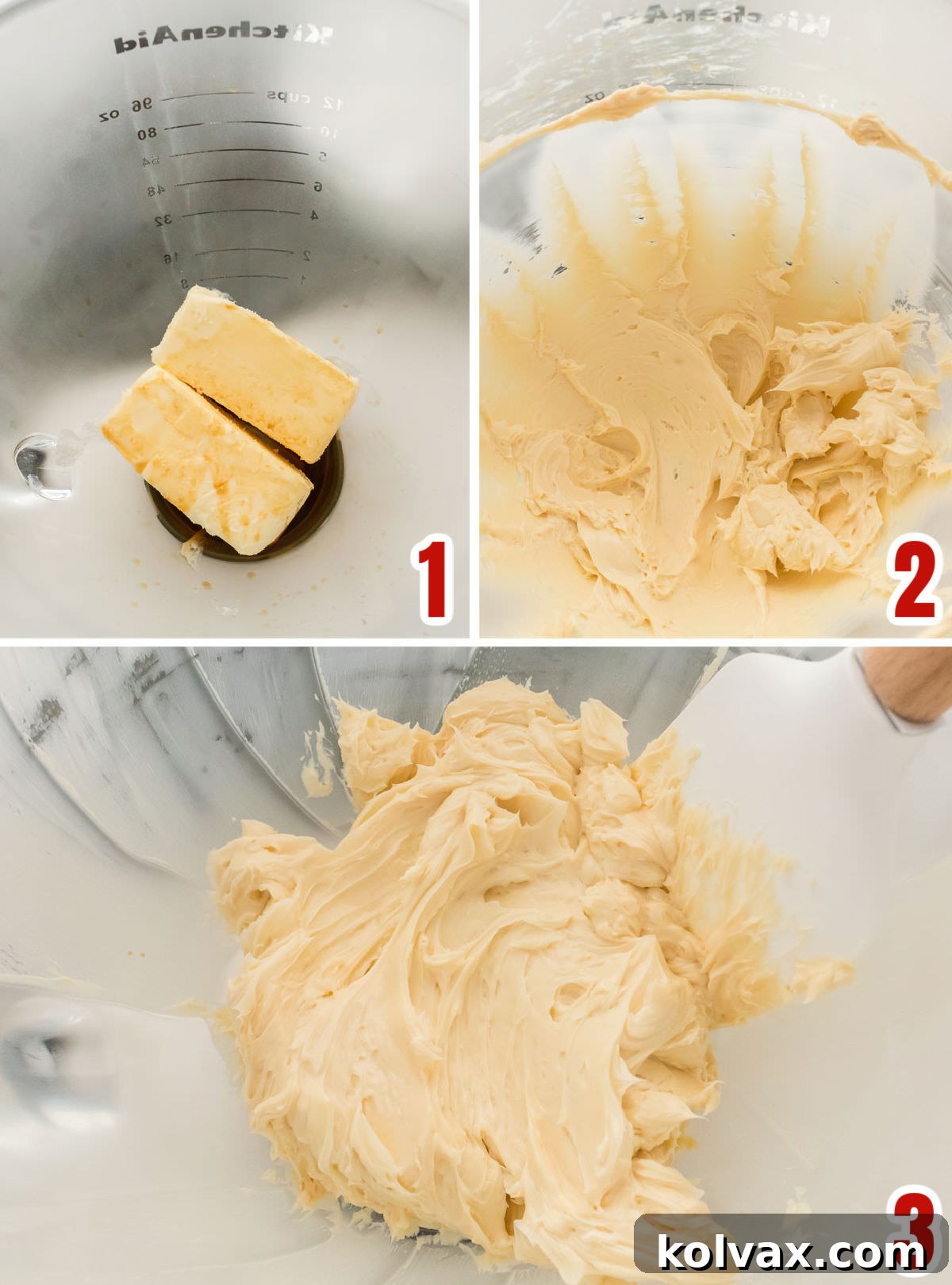
Step 1: Prepare Your Butter and Vanilla. Begin by placing 1 cup of your slightly softened unsalted butter into the bowl of your electric mixer. As mentioned, the butter’s consistency is paramount here. If it’s too cold, it will remain chunky and won’t cream smoothly with the vanilla, leading to a lumpy, uneven frosting. Conversely, if it’s too warm or melted, your frosting might become overly thin, greasy, and lose its crucial structure. Next, add 2-3 teaspoons of pure vanilla extract. Since we’re aiming for the best vanilla buttercream, don’t be shy with the vanilla! This initial combination is absolutely vital for infusing the butter with a deep, aromatic vanilla flavor right from the start, ensuring every bite is rich and fragrant.
Step 2: Cream the Butter and Vanilla. With your mixer set to medium speed, beat the butter and vanilla together until they are thoroughly combined, appear visibly lighter in color, and have a wonderfully fluffy consistency. This usually takes about 2 minutes. This creaming process serves multiple purposes: it fully aerates the butter, creating a light, airy foundation for your frosting, and ensures the vibrant vanilla flavor is evenly distributed and perfectly melded into the butterfat, setting the stage for an impeccably flavored frosting.
Step 3: Scrape Down the Mixing Bowl. It’s a small step, but don’t skip it! Pause your mixer and use a sturdy rubber spatula to meticulously scrape down the sides and the very bottom of the bowl. Butter and vanilla often cling to these areas, and ensuring every bit is incorporated prevents any unmixed pockets and guarantees a uniformly smooth texture throughout your finished buttercream.
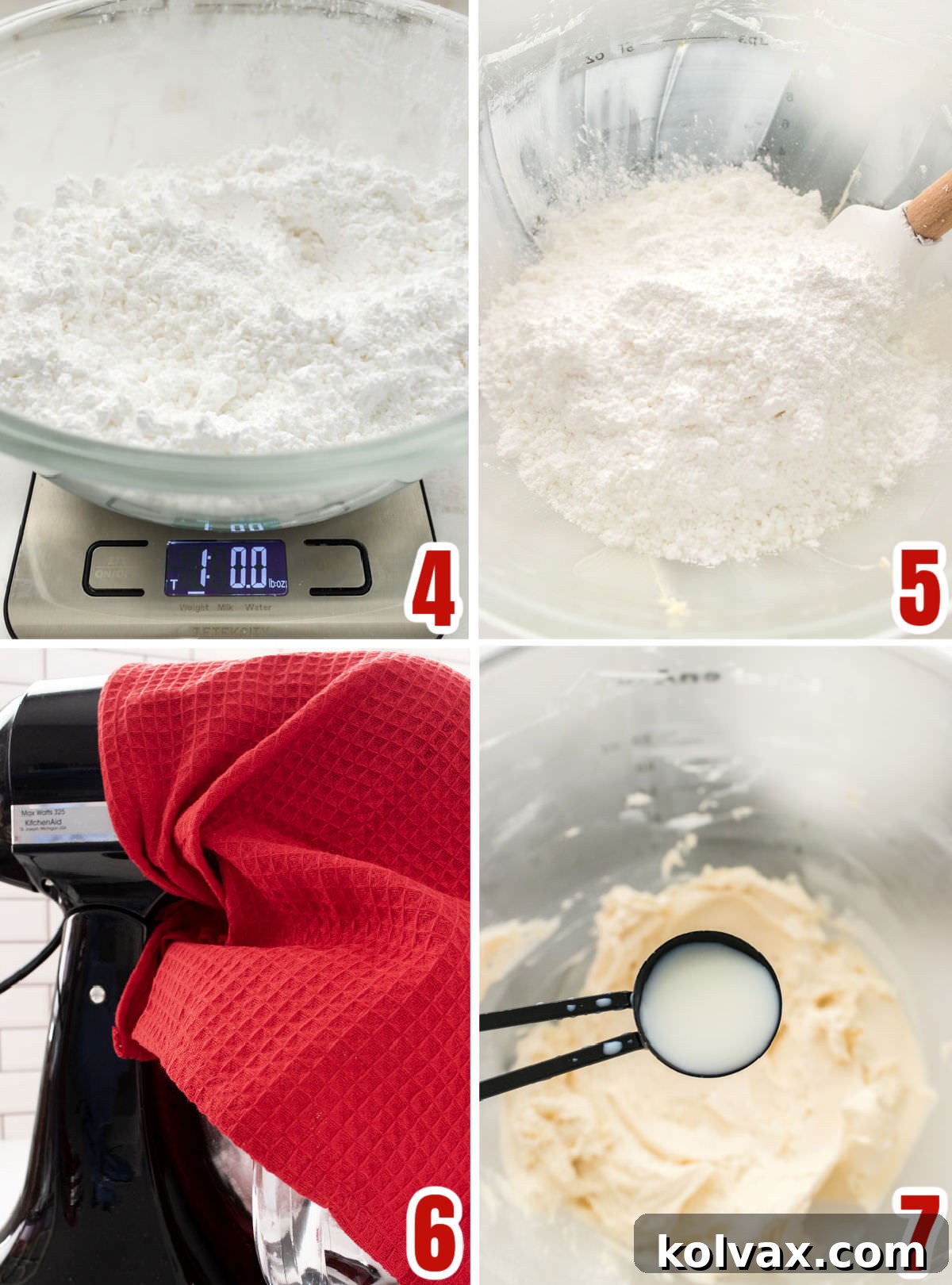
Step 4: Precisely Measure the Powdered Sugar. Accurately measure 1 pound of powdered sugar. Using a food scale provides the most precise measurement, ensuring consistent results batch after batch. If a food scale isn’t available, 1 pound is roughly equivalent to 4 cups by volume. As for sifting: while sifting powdered sugar is often recommended to remove potential lumps, your electric mixer is typically powerful enough to break down any small clumps. However, if your sugar is noticeably lumpy or has been sitting in storage for a long time, a quick sift beforehand can guarantee an extra-silky result and prevent any unwanted grit.
Step 5: Gradually Add Powdered Sugar to the Mixer. Carefully add the measured powdered sugar to your mixing bowl containing the creamed butter and vanilla. It’s best to add it in several small increments rather than all at once. This helps to minimize the dreaded “sugar cloud” that can quickly engulf your kitchen, making cleanup much easier.
Step 6: Employ the “Sugar Cloud Shield” (A Professional Trick!). To effectively prevent powdered sugar from billowing out of the mixer when you start, loosely drape a clean dishtowel or kitchen towel over the top of your mixer or around the edge of the mixing bowl. This simple but highly effective trick acts as a barrier, containing the sugar and saving you from a significant messy cleanup.
Step 7: Mix Until Light, Fluffy, and Creamy. Begin mixing on the absolute lowest speed. This gentle start is crucial for slowly incorporating the powdered sugar into the butter without creating a powdery explosion. Continue on low for about 30 seconds until the ingredients are just combined and no dry sugar remains. Stop your mixer, scrape down the sides and bottom of the bowl once more to ensure everything is evenly mixed, then increase the speed to medium-high. Beat for another 30-45 seconds. During this stage, a beautiful transformation occurs: the frosting will become wonderfully light, airy, smooth, and significantly fluffier. If, after this mixing, you find the frosting still appears too dry, stiff, or crumbly, add 1 teaspoon of milk and mix again until fully incorporated and smooth. You’re aiming for a creamy, spreadable consistency that holds its shape.
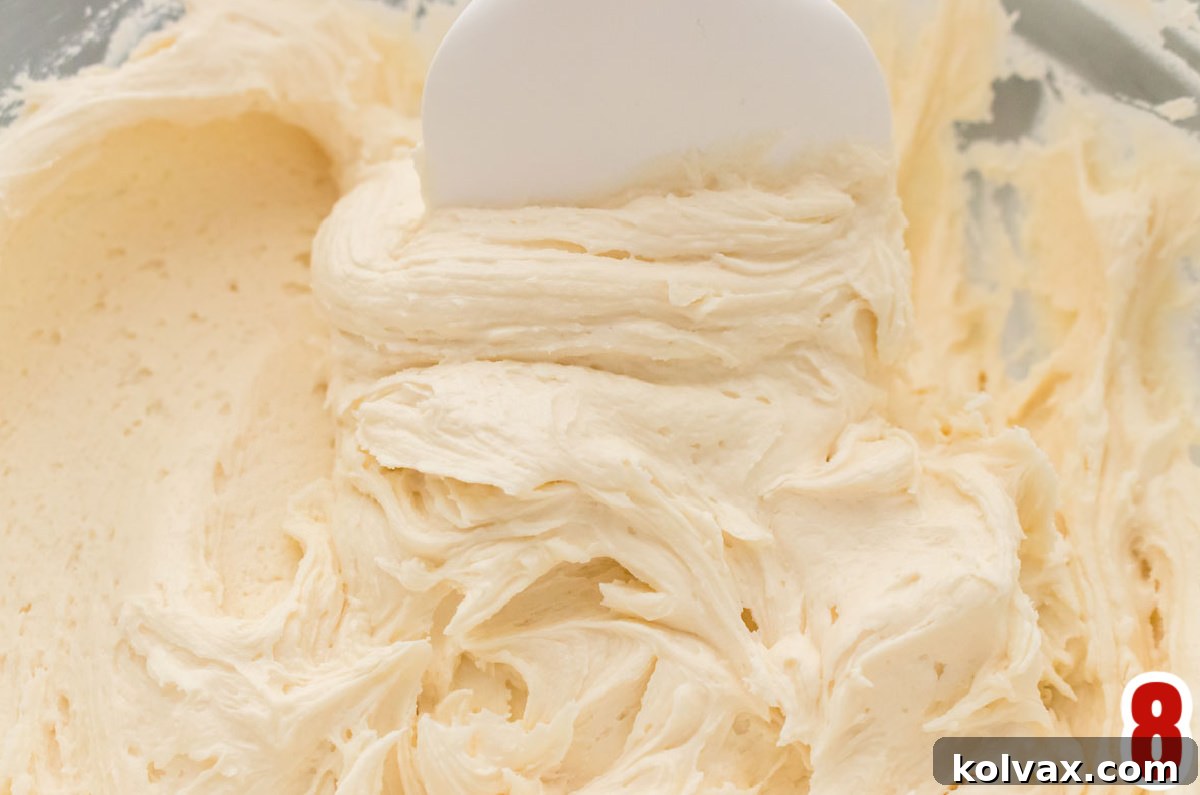
Step 8: Taste, Adjust, and Add Color. This is arguably the most enjoyable and crucial step! ALWAYS, ALWAYS, ALWAYS taste your frosting before you finalize it. You are assessing two key elements: the flavor profile and the consistency. Is it perfectly sweet? Does it have enough vibrant vanilla flavor? Is it too thick, too thin, or just right? Don’t be afraid to make small adjustments; this is your chance to customize it. Our resident frosting expert (my husband!) is invaluable for this, often pinpointing exactly what it needs. If you’re planning to add food coloring, now is the ideal time. Incorporate the coloring gradually, mixing until you achieve your desired shade. We often prefer to do this part by hand with a spatula to ensure the coloring is fully blended without over-mixing the frosting, which can sometimes impact its texture.
How to Serve and Creatively Use Your Delicious Buttercream
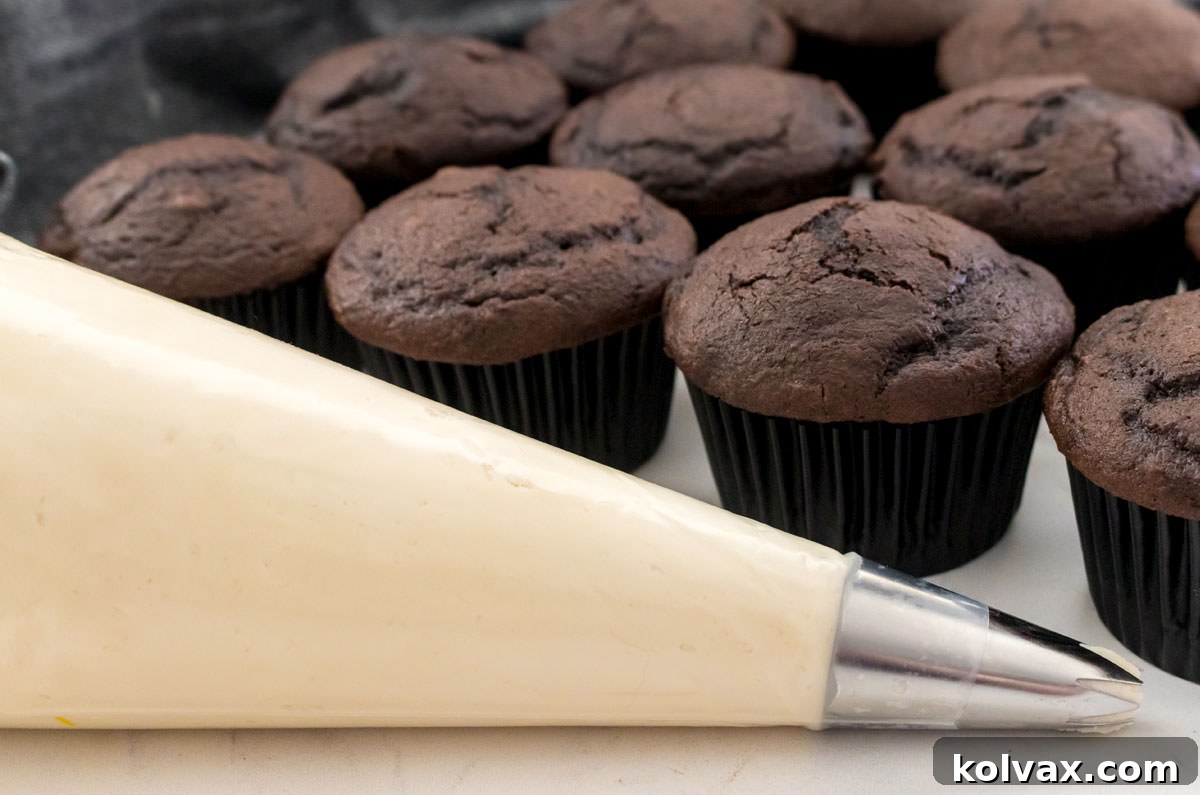
Understanding how much frosting you’ll need is essential for planning your baking projects, whether for a small gathering or a larger event. The quantity always depends on your desired frosting thickness and whether you’ll be doing intricate decorating versus a simple spread. This “Best Buttercream Frosting” recipe yields approximately 2½ cups of incredible, fluffy buttercream. Here are some general guidelines to help you estimate:
- For Cakes: This recipe provides a generous amount of buttercream, ideal for beautifully covering a standard 9″ x 13″ sheet cake. It’s also perfectly suited for filling and frosting a two-layer 8″ round cake, ensuring ample coverage for layers and a smooth, elegant exterior finish.
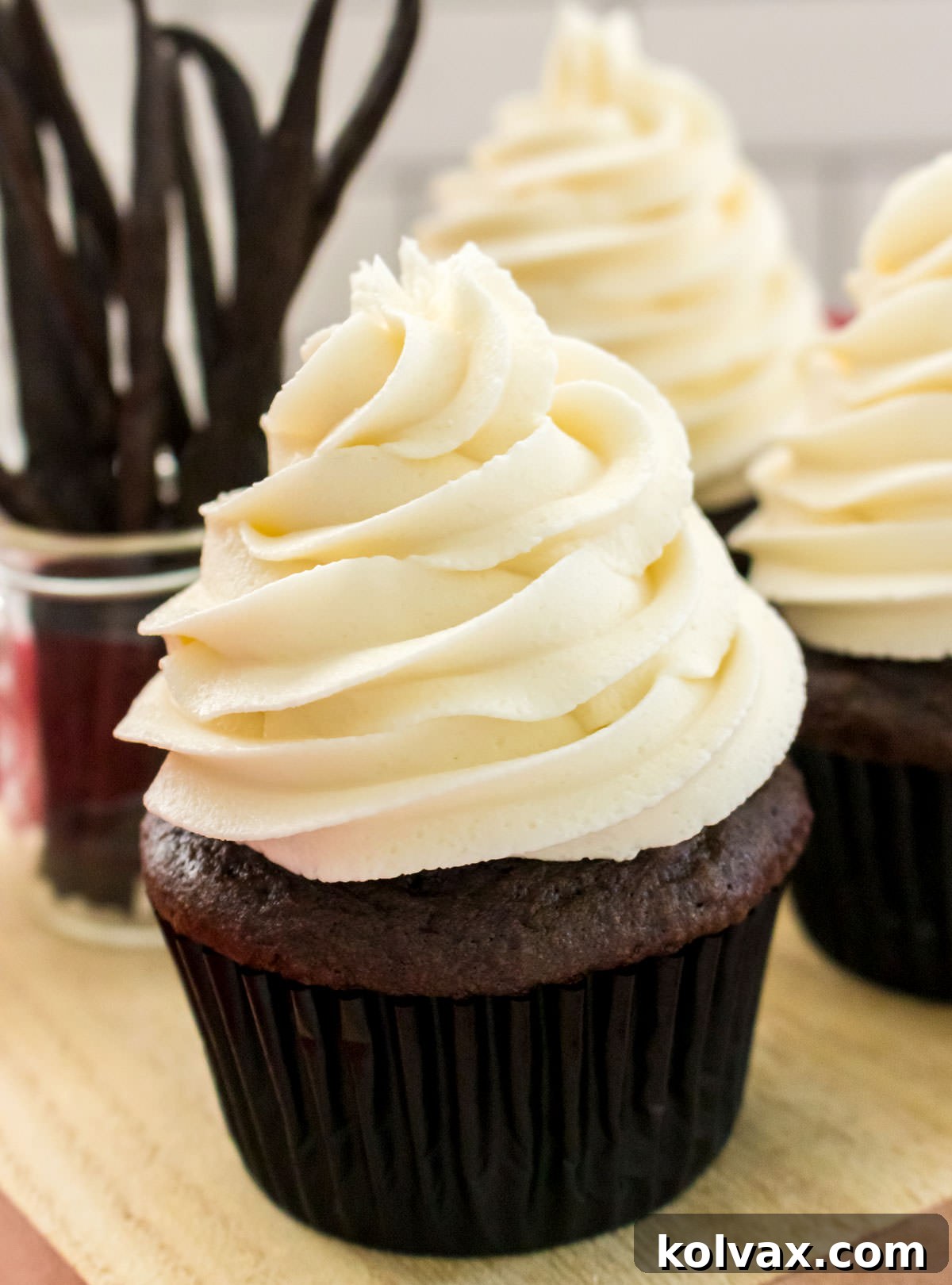
- For Cupcakes: If you prefer a simpler, rustic aesthetic and apply the frosting with a knife or an offset spatula, this batch will easily frost up to 24 standard-sized cupcakes. For those who love the elegant, towering swirl achieved with a pastry bag and a decorative tip, you can typically expect to frost between 15-18 cupcakes, depending on the size and height of your desired swirls. Don’t hesitate to experiment with various piping tips to create different decorative effects, from rosettes to stars!
Beyond traditional cakes and cupcakes, this versatile buttercream is a fantastic addition to many other sweet treats. Use it for filling delicate whoopie pies, creating festive designs on sugar cookies, or as a decadent, creamy topping for brownies, blondies, and dessert bars. Its smooth texture and delightful flavor make it an exceptionally versatile and perfect complement to almost any sweet creation you can imagine.
Expert Tips and Frequently Asked Questions (FAQs) for Buttercream Perfection
Even with a tried-and-true recipe, a few common questions and challenges can arise when making homemade buttercream. Our expert tips and detailed FAQs are designed to guide you through any troubleshooting and ensure you achieve frosting perfection every single time.
While this particular buttercream frosting contains butter, its high sugar content acts as a natural preservative, making it quite stable at room temperature. You can safely leave frosted cupcakes or cakes on the counter, covered loosely, for 2-3 days without refrigeration. However, to keep the baked goods themselves fresher for longer and prevent them from going stale, we often refrigerate our frosted desserts. For the best flavor and creamy texture, we highly recommend taking them out of the refrigerator a couple of hours before serving, allowing the frosting to return to its ideal soft, spreadable, room-temperature consistency.
Leftover buttercream frosting is a treasure! Store it in an airtight container in the refrigerator, and it should remain usable for up to a week. When you’re ready to use it again, allow it to come to complete room temperature (this might take a few hours), then give it a quick re-whip in your mixer to restore its original light and fluffy texture. For longer storage, buttercream freezes exceptionally well. Transfer it to an airtight freezer-safe container or a heavy-duty freezer bag, pressing out as much air as possible to prevent freezer burn. It can last in the freezer for 3-4 months. Thaw it in the refrigerator overnight, then re-whip thoroughly before use.
Buttercream is inherently a sweet frosting due to the large amount of powdered sugar. If you find it overwhelmingly sweet for your taste, a tiny pinch of salt can work wonders to cut through and balance the sweetness, enhancing the other flavors. However, exercise extreme caution! A little salt goes an incredibly long way in frosting. We cannot stress enough that typically only a tiny pinch (equivalent to about 10-15 granules of regular table salt, or an eighth of a teaspoon at most) is all you’ll need. Adding even a quarter teaspoon could potentially ruin the entire batch. Add a pinch, mix thoroughly, and taste again. Repeat if absolutely necessary, but always proceed with extreme moderation.
If your buttercream is too stiff, unmanageable, or thick for your desired application (whether spreading or piping), the solution is straightforward. Simply add more milk (or your chosen liquid, such as half-and-half or cream) one teaspoon at a time. Mix well after each small addition until the frosting gradually reaches your preferred consistency – whether that’s thick enough for intricate piping details or thinner for a smooth, easy spread.
The temperature plays a significant role in the consistency of buttercream frosting. A thin or runny frosting often indicates that the butter became too warm or was overworked and melted during the mixing process. The first course of action is to refrigerate the frosting for about an hour. This allows the butter to firm up again. After chilling, re-whip the frosting in your mixer to see if it has regained its proper, stable consistency. If it’s still too thin, your next step is to add a thickening agent. Begin by adding either 1/2 cup of powdered sugar or 1 tablespoon of cornstarch (which is flavorless and an excellent thickening agent). Mix again thoroughly, and continue adding small amounts of your chosen thickener until the desired thickness is achieved. Remember, patience is key here!
Absolutely! While dairy milk is our standard for adjusting consistency, you can easily substitute it with other liquids to modify the flavor profile or richness. Half-and-half or heavy whipping cream will create an even richer, more luxurious buttercream. For dairy-free alternatives, plant-based milks like almond milk, soy milk, or oat milk will work perfectly, though they might impart a subtle difference in taste and richness. Choose the substitute that best complements your dessert and dietary needs.
While it is technically possible to double the ingredients, we generally do not recommend doubling this recipe in a standard home mixer. Most residential stand mixers lack the sufficient capacity and power to effectively whip double the amount of ingredients to the correct light and fluffy consistency. Overfilling your mixer can lead to inconsistent results, with parts of the frosting being under-mixed, and could potentially strain or damage your appliance. If you require more than the approximate 2½ cups of frosting that this recipe yields, we strongly advise making two separate, individual batches. This approach ensures that each batch achieves the perfect, consistent texture and delightful flavor you’re aiming for.
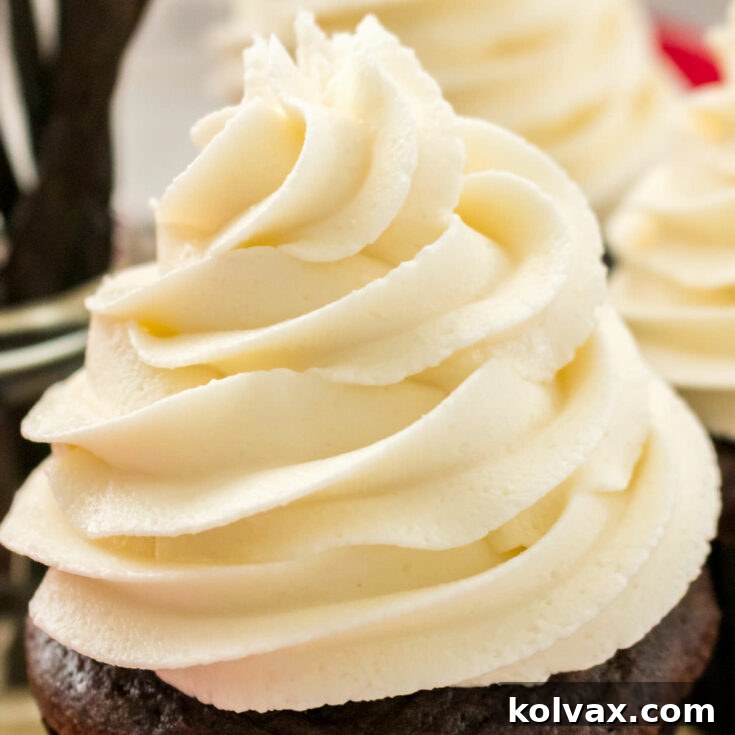
Yes, absolutely! This recipe yields a wonderfully stable buttercream that boasts excellent structure and holds its shape beautifully. This makes it absolutely perfect for piping and intricate decorating. Whether you’re creating delicate rosettes, intricate borders, beautiful swirls on cupcakes, or decorative accents on cakes, you can use any decorating tip with confidence. Your piped designs will remain sharp, distinct, and hold their form, adding a truly professional and elegant touch to all your baked goods.
We would categorize this recipe as a “slightly crusting” buttercream. A true crusting buttercream, often preferred for very intricate cake decorating, smoothing techniques, and use in humid environments, typically includes shortening as an ingredient. Shortening helps the frosting form a firm outer shell that can be touched without damage. While our recipe doesn’t use shortening, its high butter and sugar content allow it to develop a very light, delicate crust after sitting for a while at room temperature. This makes it stable enough for decorating cakes, cupcakes, and even delicate Christmas Sugar Cookies, providing sufficient stability for handling without becoming overly firm. If your project specifically requires a very hard, durable crust, you might need to explore recipes that explicitly call for shortening.
Unlock Your Inner Baker with This Homemade Buttercream Recipe
There’s an undeniable sense of accomplishment and joy that comes from mastering a classic recipe like homemade buttercream frosting. It transforms everyday desserts into truly special occasions and adds a personal, heartwarming touch that store-bought alternatives simply cannot replicate. This “Best Buttercream Frosting” recipe is more than just a list of ingredients and steps; it’s an invitation to elevate your baking skills, impress your friends and family with your culinary prowess, and savor the pure, unadulterated goodness of a truly homemade treat. We wholeheartedly encourage you to try it, experiment with subtle flavor variations, and make it your very own signature frosting. You’ll quickly discover why this recipe has become a cherished staple in our kitchen, and we’re confident it will soon earn a permanent place in yours too, inspiring countless delicious creations.
Explore More Classic and Delicious Frosting Recipes You Will Love
Once you’ve experienced the immense satisfaction and superior taste of making your own buttercream, you’ll likely be inspired to explore other delightful frosting creations. The world of homemade frostings is vast and exciting! Here are some of our other favorite classic frosting recipes that are equally simple to master and guaranteed to impress, providing you with a versatile repertoire for all your baking adventures:
- The Best Cream Cheese Frosting – A tangy, sweet, and perfectly creamy frosting, ideal for red velvet cakes and carrot cakes.
- The Best Chocolate Buttercream Frosting – Rich, decadent, and incredibly smooth, perfect for any chocolate lover.
- The Best Marshmallow Buttercream Frosting – A unique, light, and wonderfully sweet frosting with a subtle marshmallow flavor.
- The Best Whipped Cream Frosting – A lighter, airy option that’s less sweet than traditional buttercream, perfect for delicate desserts.
Did you Make This Recipe? We’d absolutely love to hear about your experience! Leave a review below to share your thoughts and tips with our community. And don’t forget to snap a beautiful picture of your delicious creations and tag @twosisterscrafting on Instagram so we can admire your baking artistry!
Stay connected with us for daily doses of deliciousness, baking inspiration, and creative ideas! Follow us on Tiktok, Pinterest, Facebook, and Instagram!
Print Recipe
The Best Buttercream Frosting
2 1/2 cups
10 minutes
10 minutes
This “Best Buttercream Frosting” truly earns its name. It’s the most delicious and easiest frosting you’ll ever make, guaranteed to make any dessert taste exceptional. Perfect for all your cake and cupcake needs!
Ingredients
- 1 cup Unsalted Butter, slightly softened (We recommend high-quality sweet cream butter)
- 2-3 teaspoons Pure Vanilla Extract
- 1 pound Powdered Sugar (or 4 cups by volume)
- 1-2 tablespoons Milk (whole milk or preferred substitute, as needed for consistency)
Instructions
- Add the “slightly softened” Unsalted Butter (it should yield to gentle pressure but not be melted) to the mixing bowl along with the Pure Vanilla Extract.
- Mix the Butter and Vanilla together on medium speed until they are fully combined, light in color, and fluffy (about 2 minutes).
- Scrape the sides and bottom of the bowl down thoroughly with a spatula before proceeding to the next step.
- Measure 1 pound of Powdered Sugar. If you don’t have a food scale, this is equivalent to approximately 4 cups.
- Gradually add the Powdered Sugar to the mixing bowl.
- (Optional Pro Tip: Place a clean dishtowel loosely over your mixer to prevent a sugar cloud when you start mixing.) Start your mixer (or electric beater) on the lowest setting. Mix on low until the butter and sugar are just incorporated (about 30 seconds).
- Stop the mixer and scrape down the sides of the bowl again. Increase the mixer speed to medium-high and mix for an additional 30-45 seconds until the frosting is wonderfully light, fluffy, and smooth.
- If the frosting appears too dry, stiff, or crumbly, add 1 teaspoon of Milk. Mix again until fully incorporated and the desired consistency is achieved. Repeat with small additions if necessary.
- Taste your frosting! Adjust flavor if needed (e.g., a tiny pinch of salt to cut sweetness, or a little more vanilla extract). If adding food coloring, do so now and mix until uniformly colored.
Made this recipe? Leave a review below, then snap a picture and tag @twosisterscrafting on Instagram so we can see it!
If you’re seeking even more invaluable tips, tricks, and detailed guidance to truly perfect your homemade frosting skills, we have several other highly informative posts you might find incredibly helpful and inspiring:
- Two Sisters’ Frosting Tips and Tricks – Dive deeper into common frosting challenges and solutions.
- How to Frost the Perfect Cupcake – Master the art of cupcake decoration for stunning results.
- Five Ways to Decorate a Cupcake – Get creative with different piping techniques and designs.
- Frosting Color Guide – Learn how to achieve vibrant and consistent frosting colors.
- Working with Cake Mixes – Tips for elevating boxed cake mixes to taste homemade.