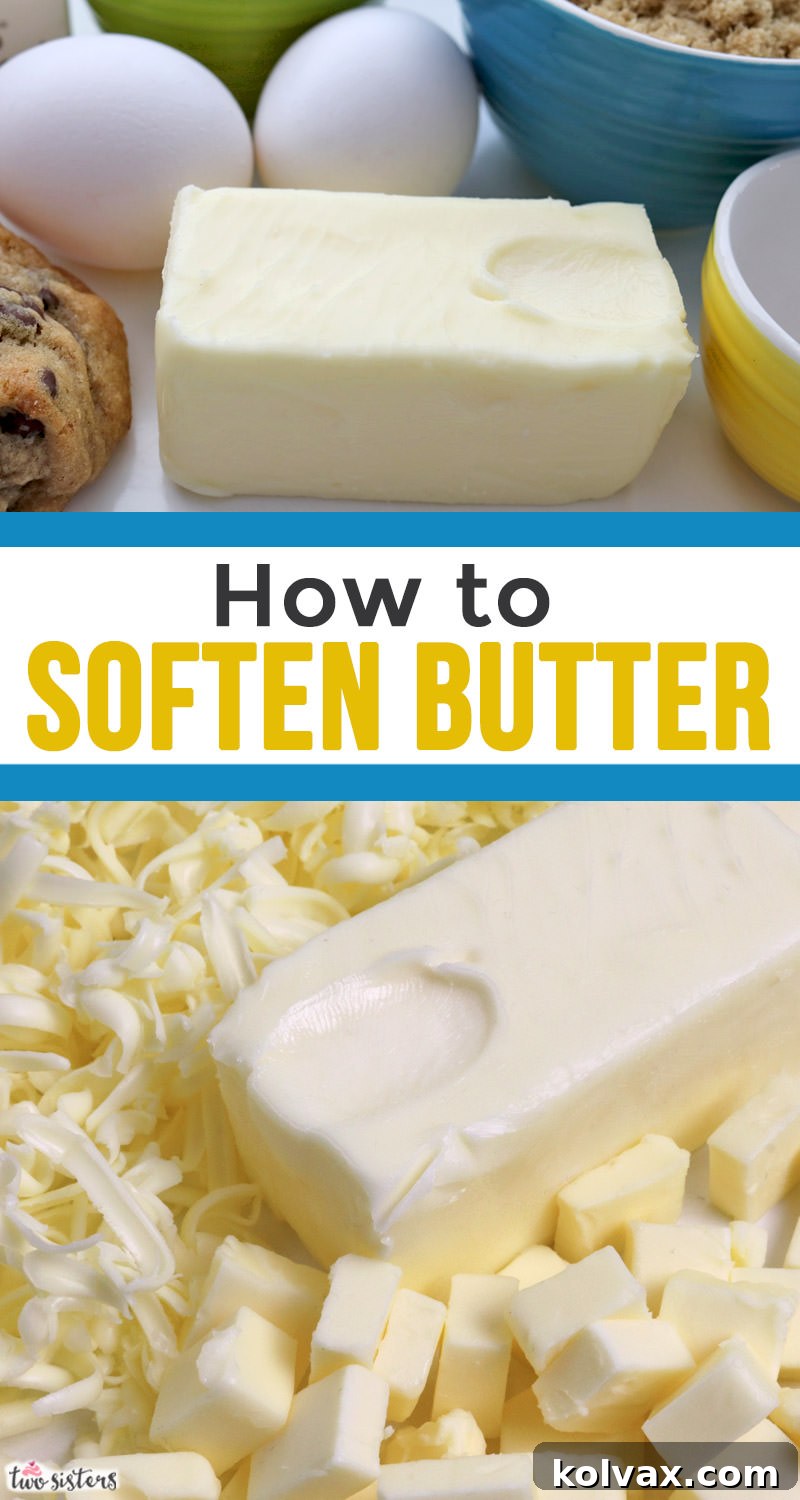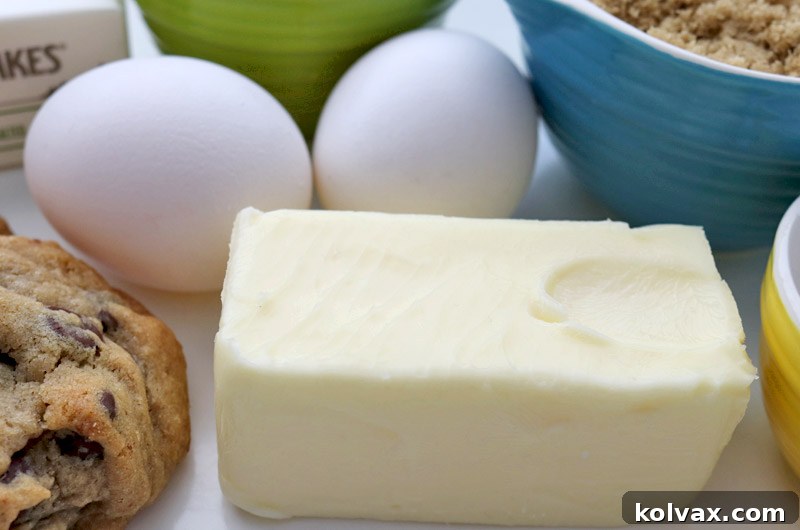
How to Soften Butter Quickly: Your Ultimate Guide to Perfect Room Temperature Butter for Baking
Picture this: It’s Saturday morning, the sun is shining, and you’ve finally found the perfect cookie recipe you’ve been dying to try. You gather all your ingredients, only to realize one crucial detail – the butter is still rock-hard in the refrigerator. We’ve all been there, staring at a cold stick of butter, wondering if our baking plans are doomed. Do you really need softened butter? How long will it take to reach the ideal room temperature? And are there any secret shortcuts to speed up the process without compromising your recipe? Absolutely! This comprehensive guide will walk you through everything you need to know about softening butter quickly and effectively, ensuring your baked goods turn out light, fluffy, and absolutely delicious every single time.
Achieving the right butter consistency is a fundamental step in many baking recipes, especially for cookies, cakes, and frostings. Using butter that’s too cold can lead to a dense, uneven texture, while butter that’s too warm or melted can result in greasy, flat baked goods. Don’t let a forgotten stick of butter derail your baking ambitions. We’re here to equip you with an arsenal of tips and tricks for softening butter on demand, even when you’re in a hurry!
Understanding “Room Temperature Butter”: The Key to Baking Success
Many beloved cookie, cake, and frosting recipes explicitly call for butter “softened to room temperature.” But what exactly does this crucial instruction mean? And why is it so important? Properly softened butter is a culinary sweet spot – it’s pliable and yielding, but not at all melted, greasy, or shiny. While it might still feel cool to the touch, if you gently press your finger into a stick, it should leave a distinct dent without your finger sinking all the way through or the butter feeling oily. Think of it as having the consistency of soft serve ice cream or a firm paste.
The magic of softened butter lies in its ability to cream effectively with sugar. During the creaming process, the butter’s fat crystals break down, and tiny air pockets are incorporated into the mixture. These air pockets are vital for creating a light, airy texture in your finished baked goods. If your butter is too cold, it won’t emulsify properly with the sugar, leading to a gritty texture and fewer trapped air bubbles, resulting in a denser product. Conversely, if the butter is too warm or melted, it loses its ability to hold air, which can cause cookies to spread excessively and cakes to be heavy and greasy.
Ultimately, achieving that perfect “dent test” consistency ensures your butter can perform its essential role: creating a stable, aerated base for delicious, professional-quality results every single time. It’s the secret ingredient for fluffy cakes, tender cookies, and wonderfully smooth, creamy frostings.
How Long Does it Really Take for Butter to Soften Naturally?
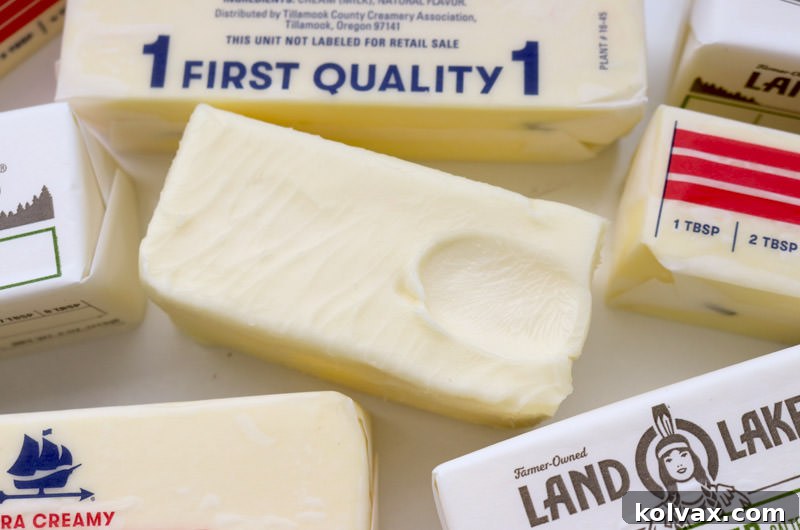
The most gentle and arguably ideal way to soften butter is simply to set it on the kitchen counter and allow it to come to room temperature naturally. This method ensures even softening throughout the stick, preserving the butter’s structure without any risk of partial melting. However, the million-dollar question remains: how long does this natural process actually take? Unfortunately, there’s no single, universally accurate answer.
The time required for butter to soften naturally is highly variable and depends on several factors. These include the ambient temperature of your kitchen (a warm summer kitchen versus a cool winter one), the initial temperature of your butter (straight from the fridge versus butter that’s been out for a short while), and even the size and shape of the butter stick. In a reasonably warm room (around 70-72°F or 21-22°C), a standard stick of butter might take anywhere from 30 minutes to an hour to soften properly. In cooler environments, this could stretch to two hours or even longer. For many busy home bakers, waiting an hour or more simply isn’t an option when inspiration strikes or time is tight. This is precisely why having a repertoire of butter-softening shortcuts is an invaluable skill for any baker.
So, while the “set it and forget it” method is excellent when you have ample time, those last-minute baking cravings or forgotten prep steps call for more dynamic solutions. Below, we share our favorite reliable tricks to quickly bring butter to that perfect, pliable state.
Quick Butter Softening Methods: Your Time-Saving Hacks
When you’re short on time but still need perfectly softened butter, these techniques are lifesavers. Each method works by increasing the butter’s surface area or gently introducing warmth, allowing it to reach room temperature much faster than just sitting on the counter. Choose the method that best suits your urgency and available tools.
1. Cube the Butter: The Simple Surface Area Trick
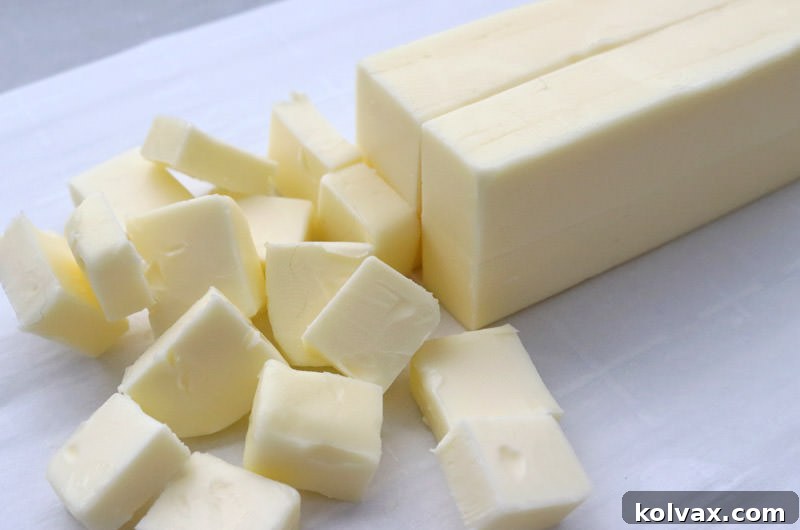
This is arguably the easiest and most foolproof method for speeding up the softening process without any risk of melting. The principle is simple: by cutting a solid stick of butter into smaller pieces, you dramatically increase its surface area. More surface area means more of the butter is exposed to the ambient warmth of your kitchen, allowing it to soften much more rapidly and evenly.
To execute this technique, simply unwrap your cold stick of butter. Then, using a sharp knife, cut the stick lengthwise in half, then rotate it and cut it lengthwise again, creating four long strips. Next, slice these strips crosswise into small cubes, roughly ½-inch to ¾-inch in size. Spread the cubes out on a plate or cutting board so they aren’t touching each other. Depending on your kitchen’s temperature, these small cubes can reach the ideal softened consistency in as little as 10 to 15 minutes, sometimes even less. Give them a gentle poke after a few minutes to check for that perfect pliability.
2. Grate the Butter: Instant Softening, Especially for Frozen Sticks
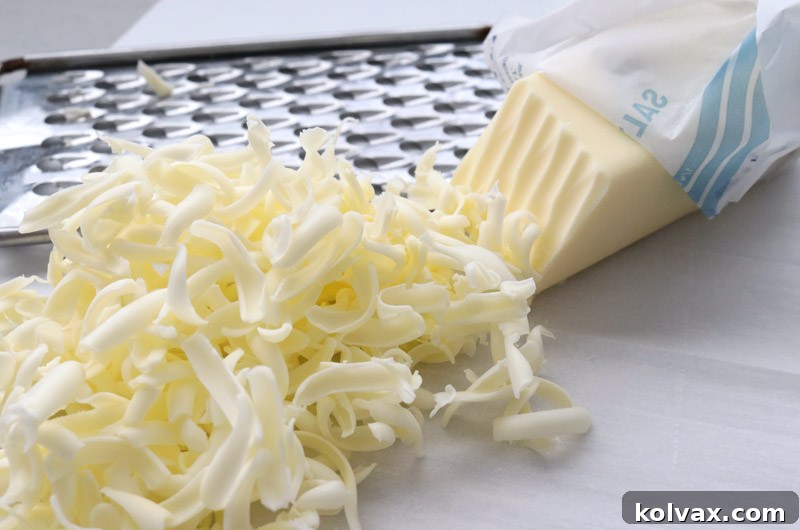
While a little messier than cubing, grating butter is an incredibly effective and quick method, particularly useful if your butter is extremely cold or even frozen solid. Similar to cubing, grating drastically increases the surface area, transforming a hard block of butter into delicate shreds that soften almost instantly.
To use this method, take your unwrapped stick of butter and a standard box grater (the side with the larger holes works best). Grate the butter directly into a bowl that you’ll be using for your recipe, or onto a plate lined with parchment paper. As soon as the butter is grated, those thin shreds will begin warming up very quickly. You’ll find that grated butter is often ready to be incorporated into your recipe almost immediately after grating. If your kitchen is particularly cool, you can place the bowl of grated butter over a bowl of warm (not hot!) water for a minute or two to accelerate the process further. Just be mindful not to let it melt. This technique ensures consistent softening throughout, making it a great alternative when time is of the essence.
3. Roll Out the Butter: A Therapeutic and Effective Method
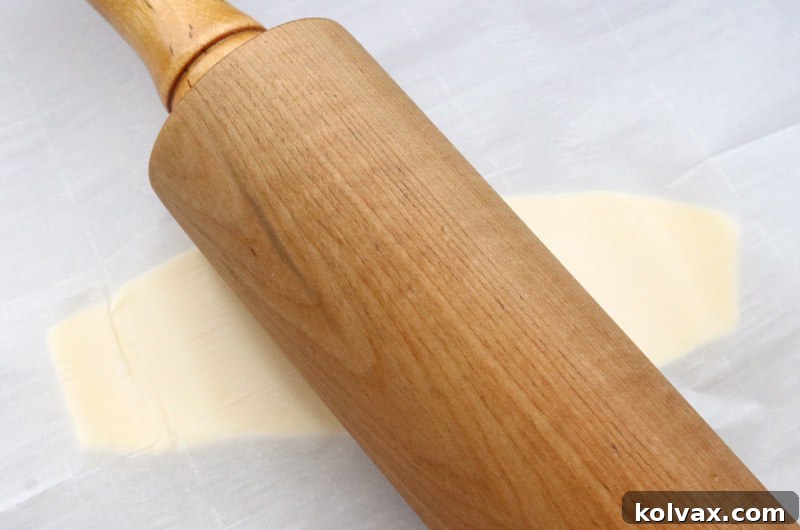
Need to release a little bit of stress while simultaneously softening your butter? This method is for you! Rolling out butter not only gets it to room temperature quickly but can also be surprisingly satisfying. The goal here is to flatten the butter into a very thin sheet, maximizing its exposure to the air and allowing it to warm up uniformly.
Start by placing your cold, unwrapped stick of butter between two sheets of parchment paper or waxed paper. This prevents the butter from sticking to your rolling pin and your countertop. Using a rolling pin (or even a sturdy, heavy pan or bottle if you don’t have a rolling pin), begin by gently pounding the butter to flatten it slightly. Once it’s a bit more yielding, roll it out evenly until it forms a thin, flat sheet, roughly ⅛-inch thick. The larger the surface area, the faster it will soften. Within just a few minutes, this flattened sheet of butter should be perfectly pliable and ready to be used in your recipe. This method is incredibly fast and offers excellent control over the butter’s consistency.
4. How to Soften Butter in the Microwave: The Fastest, But Trickiest Route
The microwave is undeniably the fastest way to soften butter, capable of transforming a cold stick into a soft one in mere seconds. However, it is also the most challenging method to master and carries the highest risk of over-melting your butter, rendering it useless for most baking applications. Microwave ovens heat unevenly, often causing the butter to melt in the center while appearing perfectly softened on the outside. Over-melted butter cannot properly cream with sugar and will lead to greasy, flat, and dense baked goods.
That said, in a true pinch, we’ve all turned to the microwave. Here’s our tried-and-true trick to minimize the risk:
- Unwrap one stick of butter and place it on a microwave-safe plate.
- Microwave it on low power (or defrost setting, if available) for just 3 seconds.
- Flip the stick of butter over to a different side and microwave for another 3 seconds.
- Flip the stick of butter again (vertically, or to its fourth side) and microwave for a final 3 seconds.
Totaling 9 seconds on low power is often our sweet spot, but microwave wattages vary significantly. Your microwave might require a little less or a little more time. The key is to check the butter after each 3-second interval by gently pressing it. You’re looking for that subtle dent, not a squishy, melted texture. It’s crucial to watch it like a hawk and err on the side of caution. If it’s still too firm, you can repeat the 3-second intervals, but never walk away. If, by unfortunate chance, your butter does become too melty, don’t despair! You might be able to salvage it by placing the plate back in the refrigerator for 10-15 minutes to firm it back up before re-testing. However, if it’s truly liquid, it’s best to grab a new stick and try again, adjusting your microwave timing.
5. The Warm Water Bath Method: Gentle and Effective
Another excellent method for quickly yet gently softening butter is using a warm water bath. This technique provides even heat distribution without the harshness of a microwave, making it a safer option for avoiding accidental melting.
Here’s how to do it: Unwrap your stick of butter and place it in a sealable plastic bag (like a freezer bag), pressing out as much air as possible before sealing. Fill a medium bowl with warm water—not hot, just warm to the touch. Submerge the bag with the butter into the warm water. Let it sit for about 5-10 minutes, flipping the bag occasionally. The warm water will gently transfer heat to the butter, softening it evenly. Check the butter after 5 minutes; it should be pliable but still firm. Remove it from the bag, pat it dry, and it should be perfectly ready for your recipe. This method is fantastic because it’s hands-off for a few minutes and yields very consistent results.
Why Does Room Temperature Matter So Much for Baking?
The temperature of your butter isn’t just a minor detail; it’s a foundational element that dictates the success of many baking endeavors. When butter is at the correct room temperature, its fat molecules are soft enough to incorporate air when creamed with sugar. These tiny air pockets expand during baking, creating a tender, open crumb in cakes and a light, airy texture in cookies.
Conversely, cold butter will resist combining with sugar, resulting in a dense, tough product. The sugar won’t be able to effectively cut through the cold fat, leading to an underdeveloped structure. On the other hand, melted butter, which is essentially liquid fat, cannot trap air. Instead, it will create a greasy dough or batter that spreads excessively, leading to flat, brittle cookies or dense, oily cakes and frostings that lack body.
Understanding this delicate balance ensures that you consistently produce baked goods with the desired texture, rise, and overall quality. By mastering the art of softening butter, you’re not just saving time; you’re elevating your entire baking game.
More Essential Baking Tips and Tricks
Softening butter is just one piece of the baking puzzle. For more insights and hacks that will help you achieve baking perfection every time, explore these helpful resources:
- Salted vs. Unsalted Butter for Baking: Which to Choose and Why
- How to Doctor a Cake Mix for Bakery-Quality Results
- How to Make Perfect Cupcakes Every Time: Tips for Fluffy, Moist Delights
- Two Sisters Frosting: Your Frequently Asked Questions Answered
Equipped with these butter-softening techniques, you’ll never again face the dilemma of rock-hard butter delaying your baking plans. Whether you choose to cube, grate, roll, use the microwave carefully, or opt for a warm water bath, you now have the knowledge to achieve perfectly softened butter quickly and reliably. Go forth and bake with confidence!