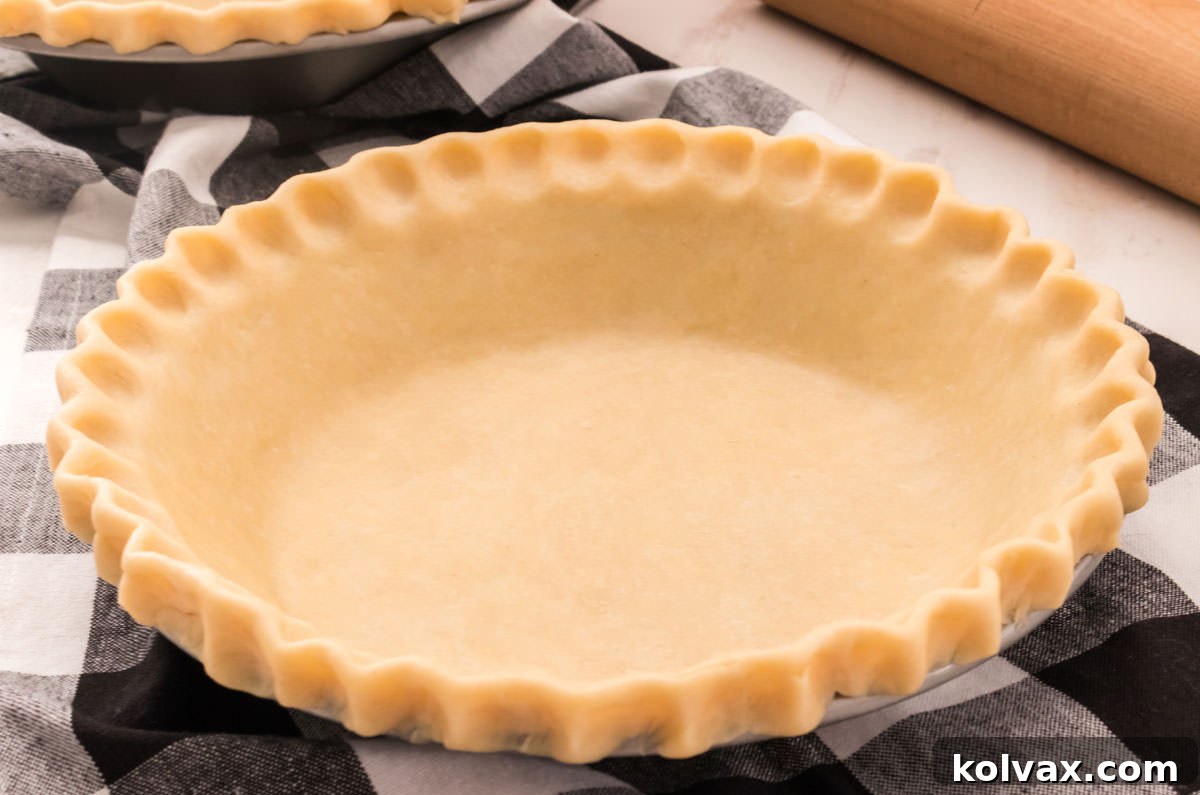
Master the art of perfect pie crust with our comprehensive guide, packed with expert tips and tricks to create a flaky, buttery, and utterly delicious homemade pie crust from scratch, just like your grandmother used to make. Embrace the joy of baking and say goodbye to store-bought crusts forever!
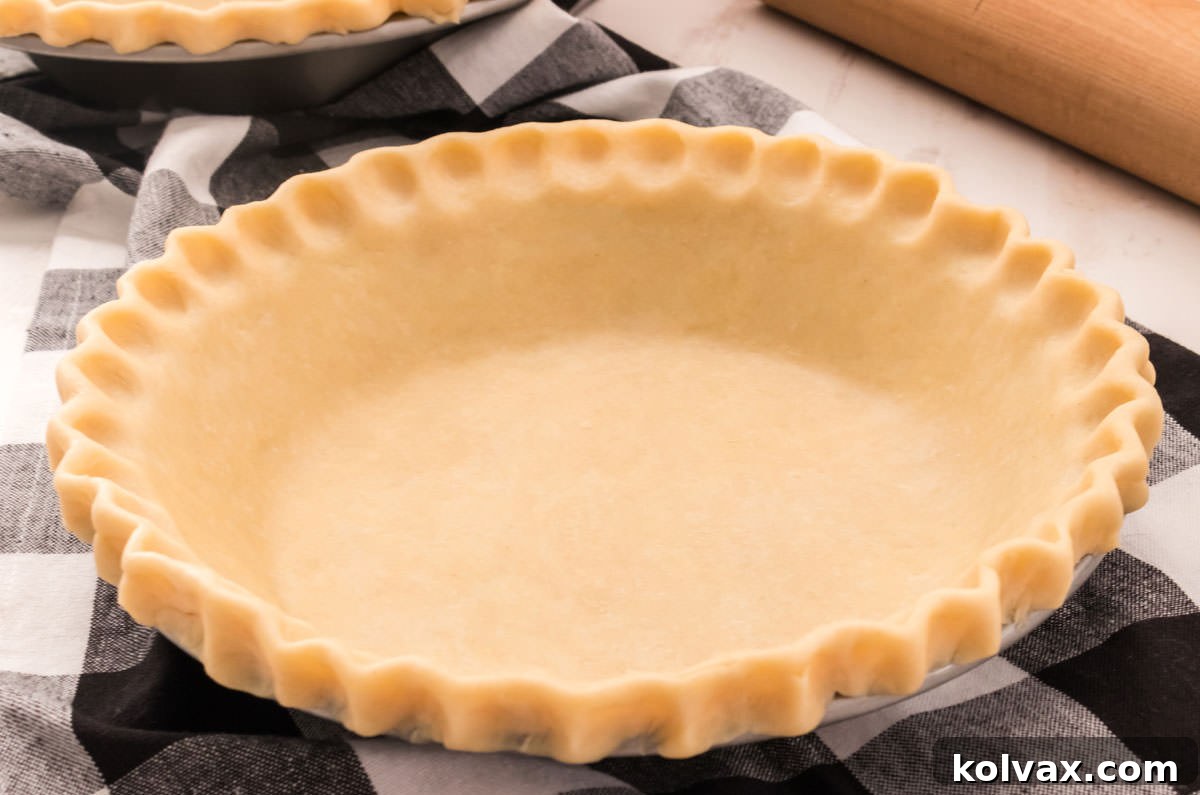
For many home bakers, the thought of making pie crust from scratch can be a little intimidating. It certainly used to scare us! We spent a good portion of our lives relying on convenient, pre-made crusts found in the freezer aisle of the grocery store, and crafted many delicious desserts with them. However, a few years ago, we decided it was time to take the plunge and learn the secret to a truly flaky, buttery pie crust – the kind our moms and grandmas effortlessly made. Once we unlocked a few simple tips and tricks, we realized there was nothing to be worried about. Now, we wouldn’t dream of using store-bought again. This easy homemade pie crust recipe has become our go-to, and we invite you to join our team of homemade pie crust enthusiasts!
Why Choose Homemade Pie Crust?
While store-bought crusts offer undeniable convenience, there’s an incomparable magic in a homemade pie crust. The difference in taste, texture, and aroma is simply astounding. A truly great pie begins with an exceptional crust – one that is:
- Flaky: Layers upon layers of delicate, buttery goodness that shatter with every bite. This texture is nearly impossible to replicate with commercial products.
- Buttery: The rich, pure flavor of real butter shines through, enhancing any filling, sweet or savory.
- Tender: Melts in your mouth without being crumbly or tough.
- Fresh: Made with simple, wholesome ingredients, free from preservatives and artificial flavors.
- Rewarding: The satisfaction of serving a pie with a crust you made yourself is immense. It adds a touch of love and tradition to every meal.
Don’t let the mystique of pie making deter you. With our tried-and-true method, you’ll be creating stunning, delicious pie crusts that will impress everyone, including yourself!
Essential Ingredients for the Perfect Pie Crust
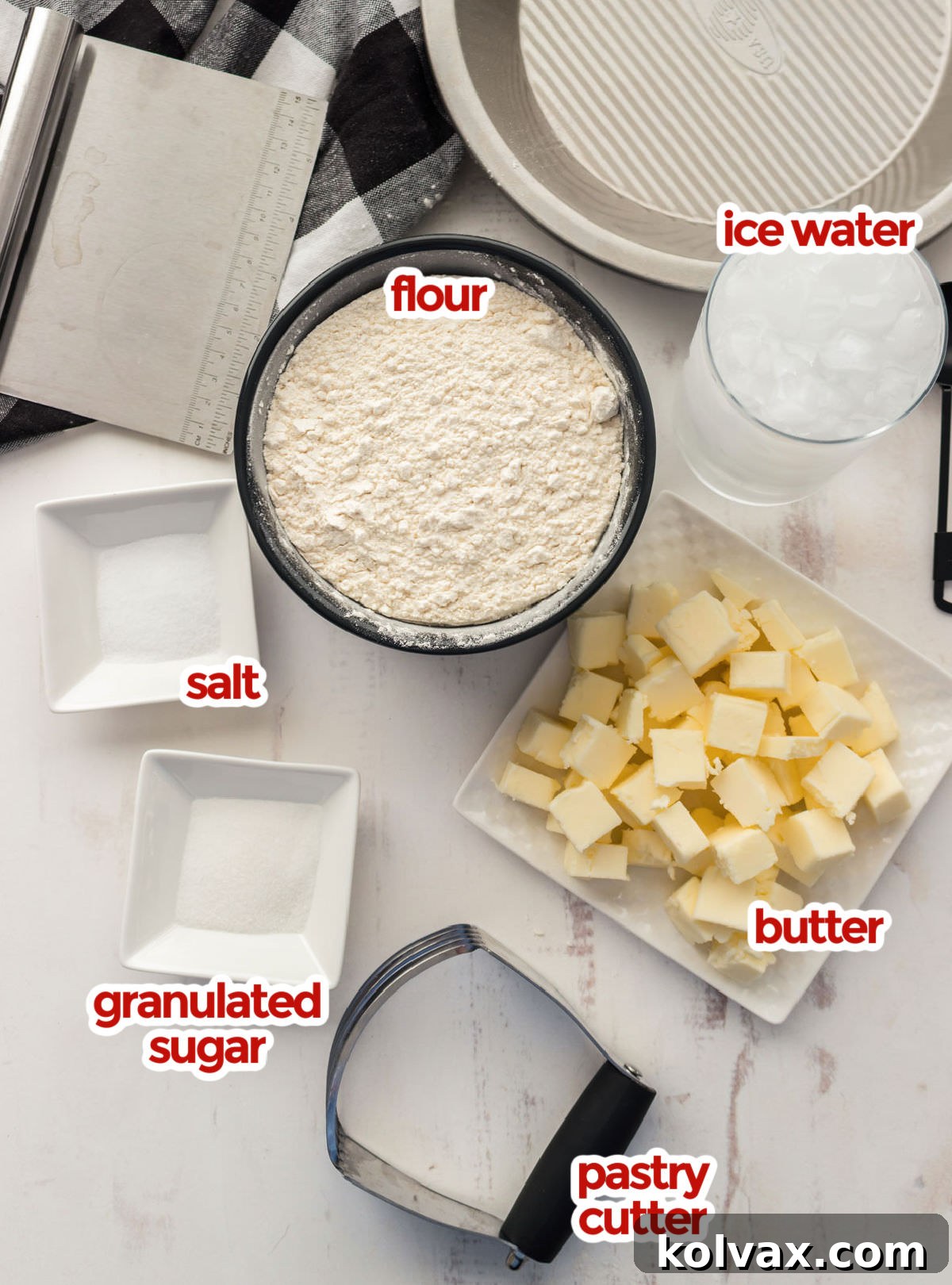
Making an exceptional pie crust requires just a handful of basic ingredients. The secret isn’t in complex components, but in the quality and temperature of what you use. Here’s what you’ll need and why each plays a vital role in achieving that perfect flaky texture:
- All-Purpose Flour: This forms the structure of your crust. While some bakers prefer pastry flour for a more tender result, all-purpose flour works beautifully and is readily available. Avoid using bread flour, as its higher protein content can lead to a tough crust.
- Granulated Sugar: A small amount of sugar helps with browning and adds a subtle sweetness, balancing the savory notes of the butter and salt. It also contributes to the crust’s tender texture.
- Salt: Essential for flavor! Salt enhances all the other ingredients and prevents the crust from tasting bland. Don’t skip it.
- Ice-Cold Butter (Sweet Cream Salted): This is the star ingredient for flakiness. The key is that the butter must be ice-cold. When tiny pieces of cold butter melt in the hot oven, they release steam, creating air pockets and separating the layers of dough, resulting in that coveted flaky texture. Using salted butter adds another layer of flavor, but if you prefer unsalted, simply increase the salt in the recipe by a quarter teaspoon.
- Ice Water: Just like the butter, the water needs to be ice-cold. Cold water prevents the butter from melting prematurely and helps keep the dough cool, which is crucial for preventing gluten development and maintaining tenderness. It also allows you to control the moisture level precisely without activating too much gluten, which can make the crust tough.
With these simple, high-quality ingredients at the right temperature, you’re well on your way to baking a truly spectacular homemade pie crust.
Preparing the Dough: Step-by-Step for Flaky Perfection
The foundation of a great pie lies in how its dough is prepared. Follow these meticulous steps to ensure your dough develops the ideal texture – tender, yet sturdy enough to hold your favorite filling.
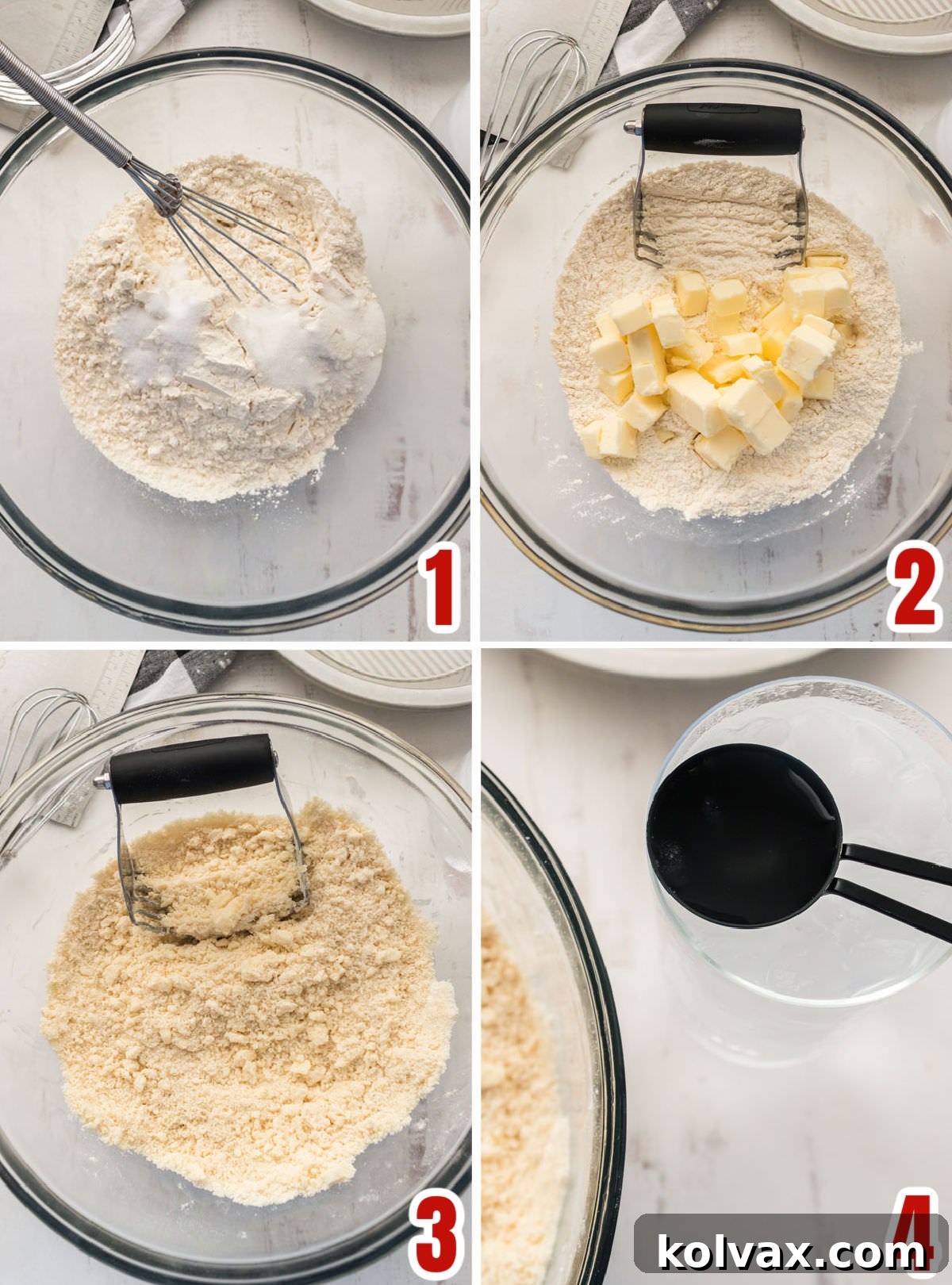
- Step 1: Combine Dry Ingredients. In a large mixing bowl, thoroughly whisk together the all-purpose flour, granulated sugar, and salt until they are well combined. This ensures even distribution of flavor and texture throughout the dough.
- Step 2: Add Cubed Cold Butter. Cut your ice-cold butter into small, ½-inch cubes. The colder the butter, the better! Add these cubes directly into the bowl with your dry ingredients. Keeping the butter cold is paramount for achieving a flaky crust.
- Step 3: Cut in the Butter. Using a pastry cutter, fork, or even your fingertips (working quickly to avoid warming the butter), mix the butter into the dry ingredients. Continue until the mixture resembles coarse meal with some pea-sized pieces of butter still visible. These small pockets of butter are what create the steam and flakiness when baked. The mixture will still appear dry and loose – this is exactly what you want!
- Step 4: Incorporate Ice Water Gradually. Start by adding a tablespoon of ice water (just the water, not the ice cubes) to the flour and butter mixture. Use a spoon to gently stir the mixture.
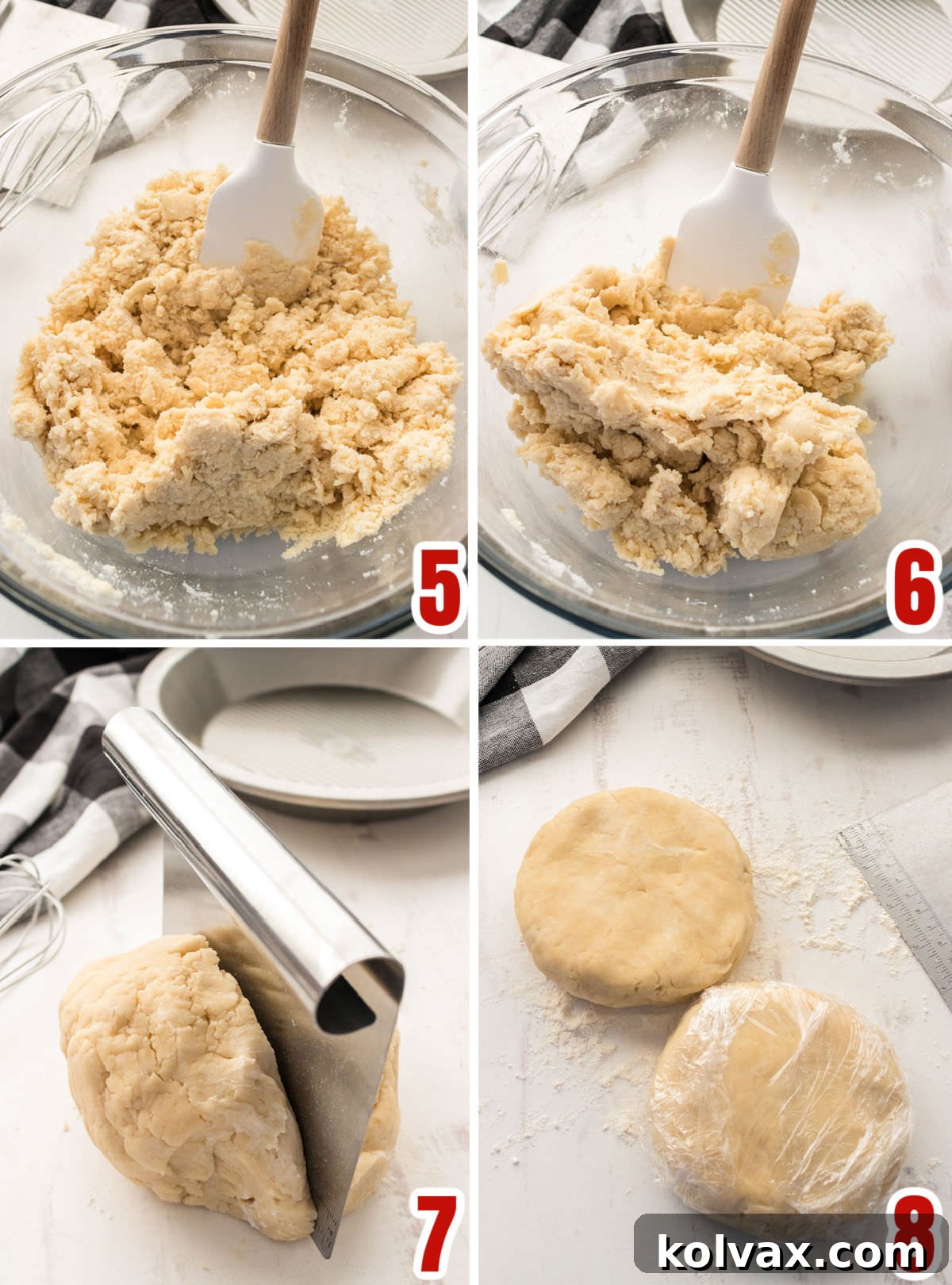
- Step 5: Continue Adding Water. Continue adding ice water, one tablespoon at a time, stirring gently after each addition, until the dough just barely comes together. The goal is to add enough water so the dough forms a cohesive ball and cleanly pulls away from the sides of the bowl, but without making it overly sticky or wet. You might not use all the water specified, or you might need a tiny bit more – humidity and flour type can affect this. Stop as soon as it reaches the right consistency.
- Step 6: Lightly Knead and Form Discs. Carefully pour the dough mixture onto a lightly floured surface. There may be a small amount of flour that hasn’t fully incorporated yet. Gently knead the dough just a few times, enough to bring any remaining flour into the main mass. Over-kneading will develop the gluten and result in a tough crust, so be gentle and quick.
- Step 7: Divide Dough (if necessary). If you are making a double-crust pie (for example, an apple pie), divide the dough into two equal portions at this stage.
- Step 8: Shape and Chill. Form each portion of dough into a ball, then flatten it slightly to create a disc shape. This disc shape will make rolling out much easier later. Wrap each disc tightly in plastic wrap and refrigerate for at least two hours, or ideally overnight. This chilling period is crucial: it allows the flour to fully hydrate, the butter to firm up again, and the gluten to relax, all of which contribute to a tender, flaky, and easy-to-roll crust.
Rolling Out the Pie Crust: Expert Techniques
Once your dough has chilled sufficiently, it’s time to roll it out. This step requires a bit of patience and technique to ensure an even thickness and easy transfer to your pie pan.
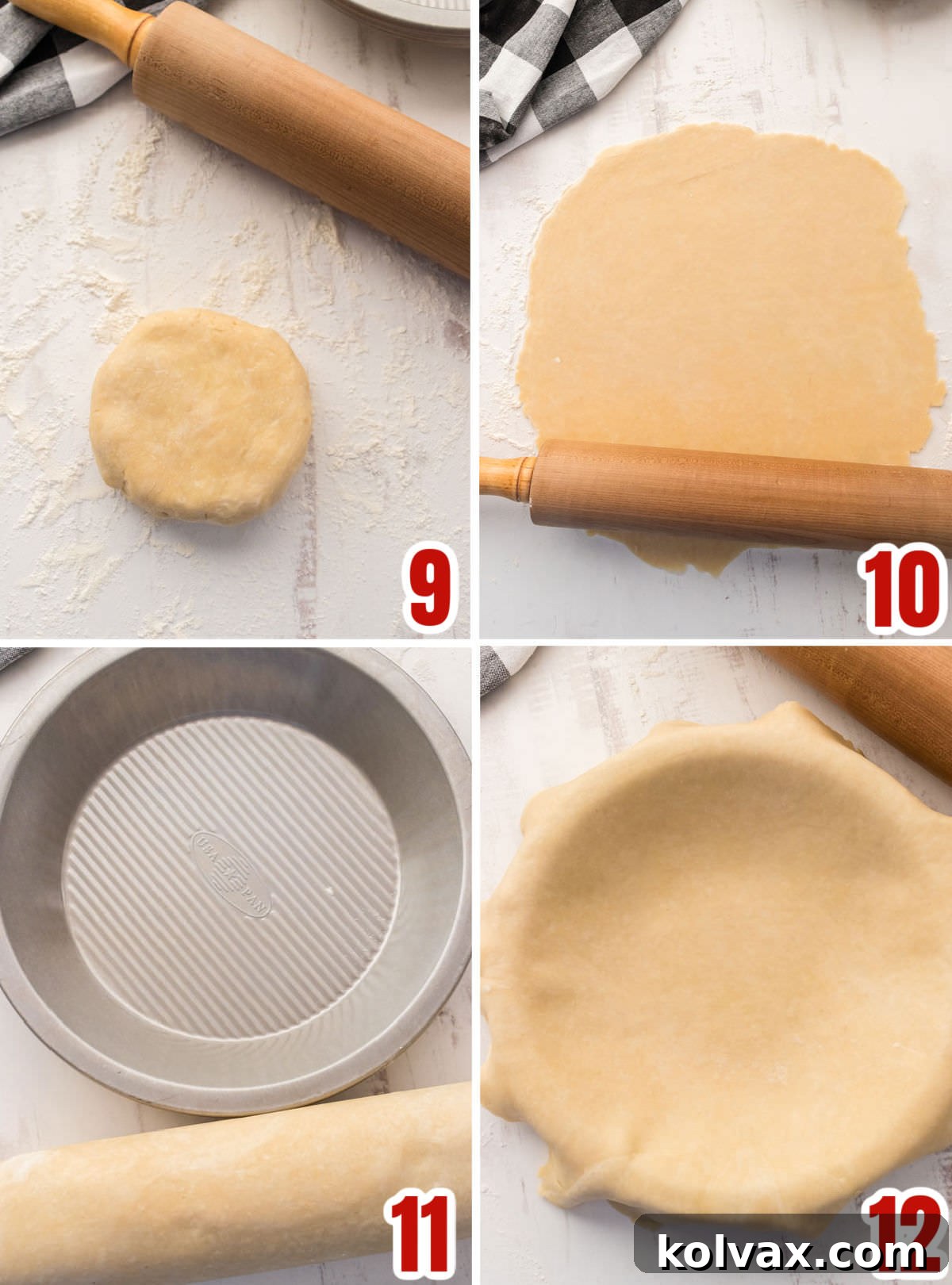
- Step 9: Remove Dough from Refrigerator. Take one dough disc out of the refrigerator. If it’s been chilling for a long time, let it sit at room temperature for 5-10 minutes to soften slightly, but don’t let it get warm. The dough needs to remain cold to prevent the butter from melting and to ensure optimal flakiness.
- Step 10: Roll Out on a Floured Surface. Lightly flour your work surface and your rolling pin. Place the dough disc in the center and begin rolling from the center outwards, rotating the dough frequently to ensure an even circle and to prevent sticking. You’ll need to apply some firm, initial pressure as the dough will be quite cold and stiff at first. Keep adding small amounts of flour to your surface and rolling pin as needed, but don’t overdo it, as too much flour can make the crust tough. Aim for a thickness of about 1/8 inch and a diameter that is about 2 inches larger than your pie plate.
- Step 11: Transfer to Pie Pan. Gently roll the flattened pie dough onto your rolling pin. This is the easiest way to transfer it without tearing. Carefully unroll the dough over your pie pan, centering it as best as possible.
- Step 12: Fit and Trim. Gently press the dough into the contours of the pie pan, being careful not to stretch it, as stretching can cause the crust to shrink during baking. Trim any excess crust, leaving about ½ inch overhang around the edge of the pie pan. You are now ready to crimp the edges and fill your pie, or proceed with blind baking if your recipe calls for it.
How to Make a Quick and Easy Pretty Pie Edge
A beautifully crimped pie crust edge adds a professional and inviting touch to any pie. Here’s a simple technique to create an elegant finish:
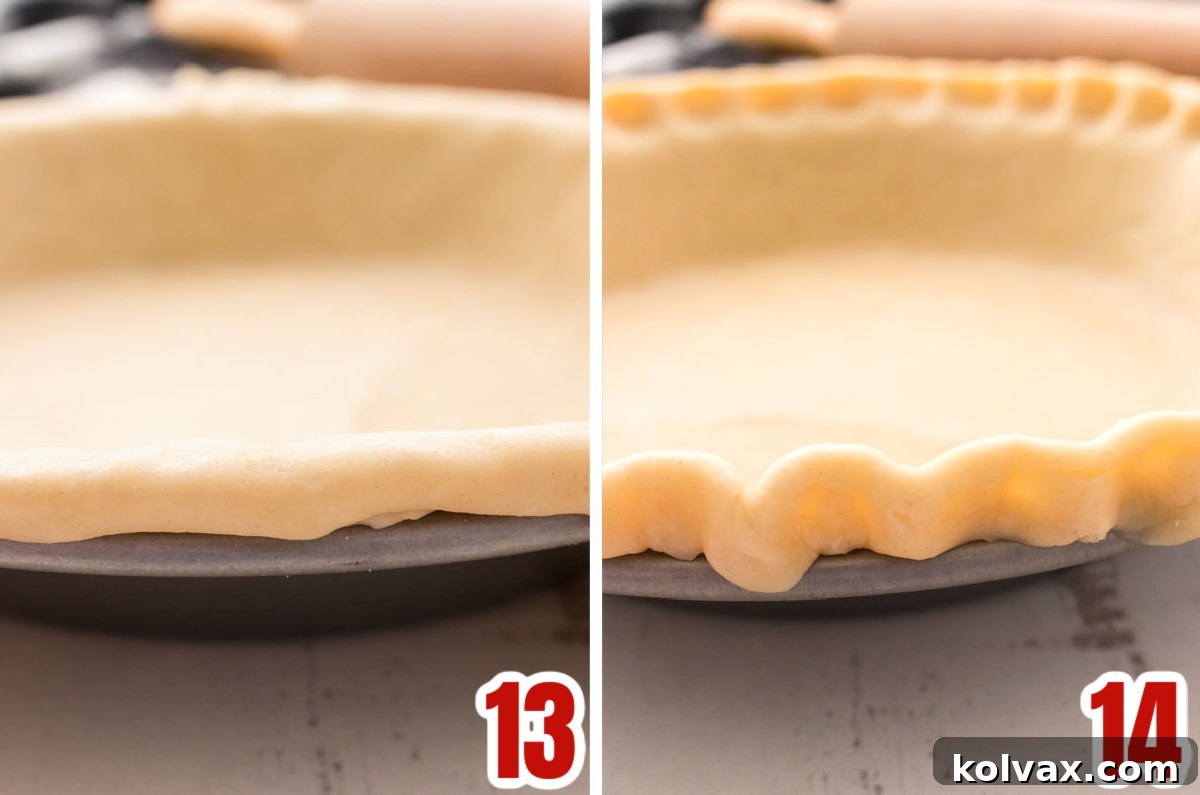
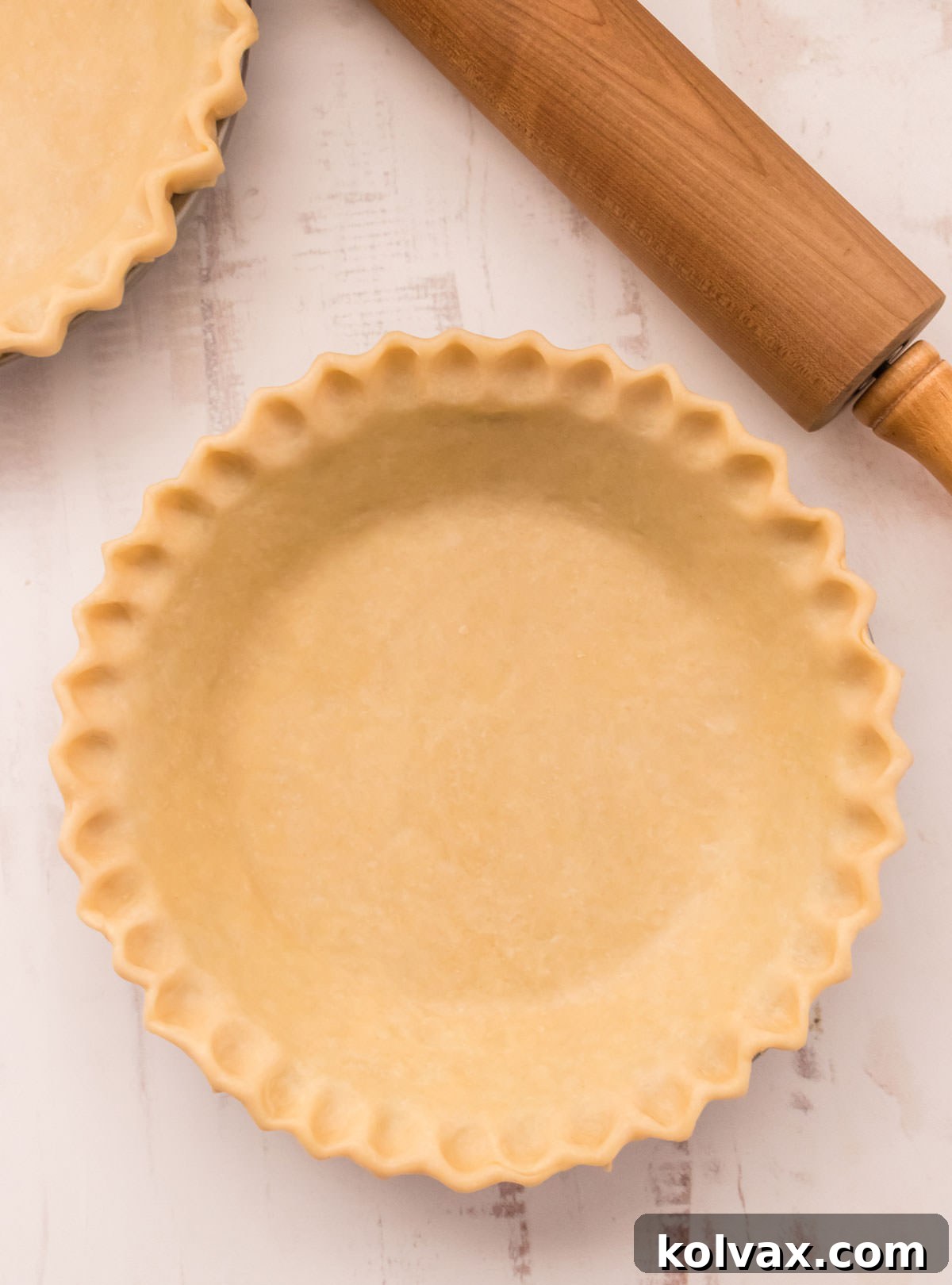
- Step 13: Prepare the Edge. After fitting the dough into the pie pan and trimming, fold the excess ½ inch piece of crust under itself around the entire edge of the pie pan. This creates a slightly thicker, smooth edge that is easier to work with and helps prevent shrinking during baking.
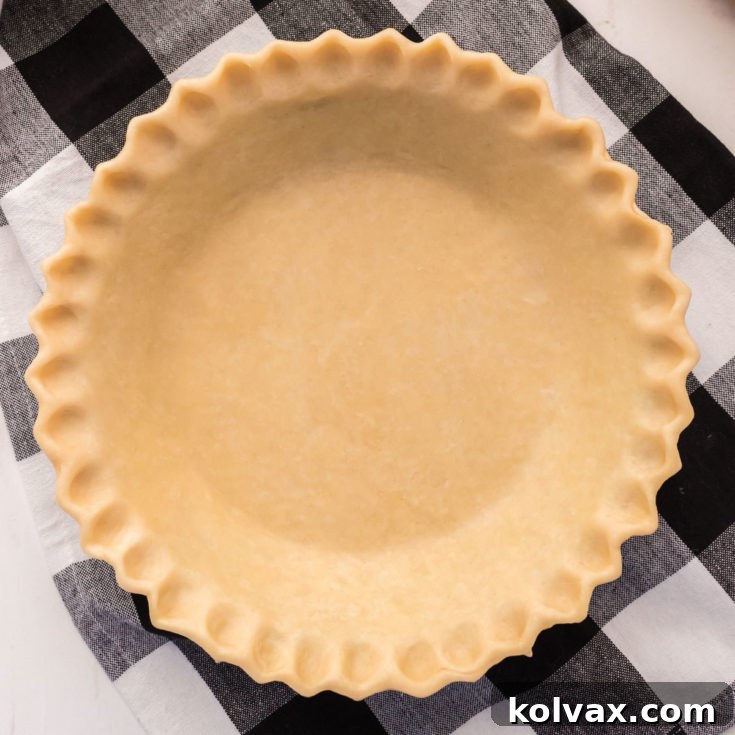
- Step 14: The Classic Crimp. Place your thumb and index finger of one hand on the outside edge of the folded crust. With the index finger of your other hand, gently press into the inside edge of the crust, creating a “pinch” effect. Repeat this motion all the way around the pie, spacing your pinches evenly. This creates a beautiful, wavy, and professional-looking crimped edge. It’s truly easy peasy and makes your pie look store-bought (but tastes infinitely better!).
What Kind of Pie Plate Should You Use?
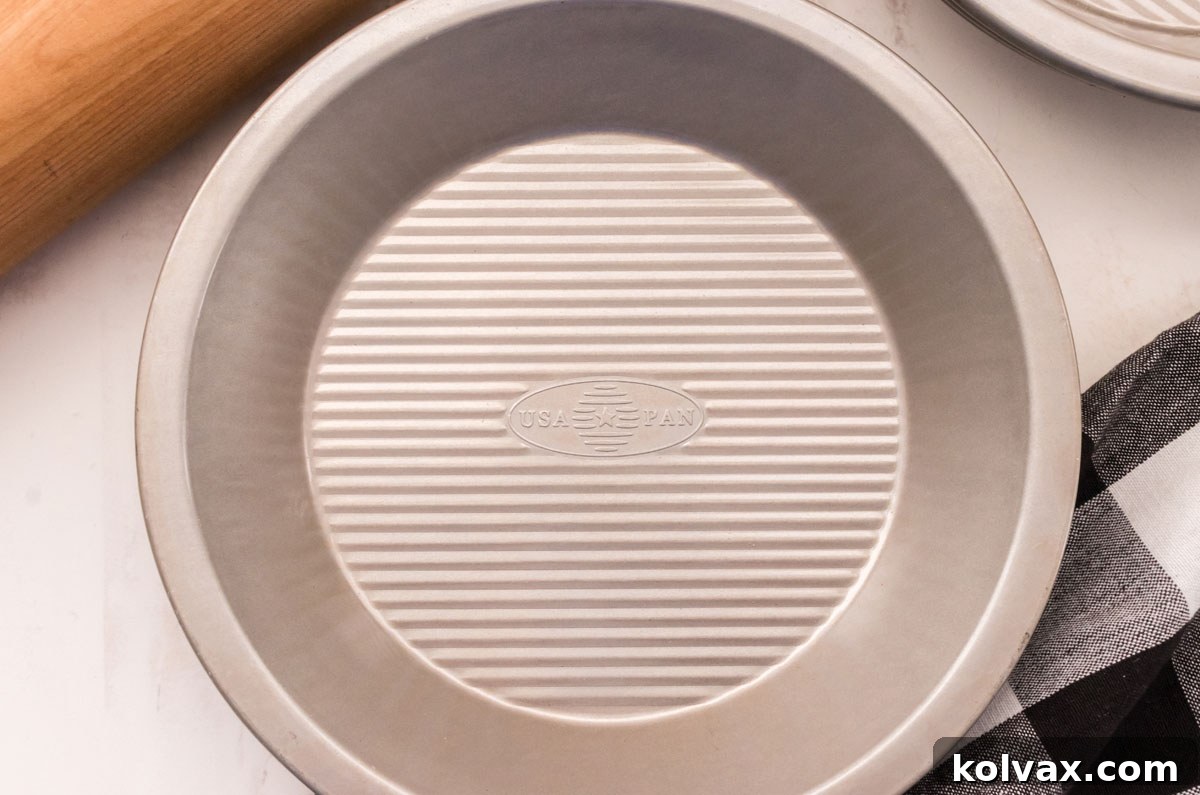
The choice of pie plate can significantly impact the final texture of your crust, particularly the bottom. Our Grandma swore by metal pie plates, and for good reason!
- Metal Pie Plates: These are often the unsung heroes of pie baking. Metal conducts heat very efficiently and evenly, ensuring that the bottom crust cooks through and becomes beautifully crisp. This is crucial for preventing a soggy bottom, a common pie-baking woe. While it’s nice to peek into the oven through a glass pan, Grandma’s wisdom holds true: metal is the way to go for an uncompromised, perfectly cooked crust. We’ve followed her advice for years and have rarely had a problem with undercooked crusts.
- Glass Pie Pans: While aesthetically pleasing and allowing you to see the browning of the crust, glass can sometimes heat more slowly and less evenly than metal, potentially leading to a slightly less crisp bottom crust. However, many successful pies are made in glass, especially if you preheat your pan.
- Ceramic Pie Dishes: These are beautiful and can retain heat well once hot, but similar to glass, they may take longer to heat up and might not conduct heat as sharply as metal to the bottom of the crust.
For the best results with a perfectly golden, crisp bottom, we highly recommend a sturdy metal pie plate. Trust us, and trust Grandma!
Troubleshooting Common Pie Crust Problems
Even with the best intentions, baking can sometimes present challenges. Here are solutions to common pie crust issues:
- Soggy Bottom Crust: This is perhaps the most frustrating problem.
- Solution: Use a metal pie plate for better heat conduction. Blind bake your crust (bake it empty with pie weights) before adding a wet filling. Ensure your oven is fully preheated to the correct temperature.
- Tough Crust: A crust that’s hard to cut or chewy.
- Solution: This usually means the gluten was overdeveloped. Ensure all ingredients (especially butter and water) are ice-cold. Don’t overmix the dough once water is added, and knead minimally. Use a light hand when rolling.
- Cracked Edges While Rolling: The dough is breaking apart at the edges.
- Solution: The dough might be too cold or too dry. Let it sit out for a few minutes longer before rolling. If it’s too dry, you can lightly mist it with a tiny bit of ice water, but be careful not to make it soggy.
- Shrinking Crust During Baking: The crust pulls away from the edges of the pan.
- Solution: Ensure you chill the dough thoroughly (at least 2 hours) after forming the disc and again after placing it in the pie plate. Avoid stretching the dough when fitting it into the pan; instead, gently press it into place.
- Pale Crust: Not browning sufficiently.
- Solution: Ensure your oven temperature is accurate. A little sugar in the dough helps with browning. If baking a full pie, you can brush the edge with an egg wash (egg yolk + a splash of milk) for a deeper golden color.
Pro Tips for Pie Crust Success
To truly master the art of homemade pie crust, keep these golden rules in mind:
- Temperature is Key: Always use ice-cold butter and ice water. This cannot be stressed enough for flakiness.
- Don’t Overwork the Dough: Handle the dough as little as possible. Overworking develops gluten, leading to a tough crust. Mix just until combined, and knead only a few times.
- Chill, Chill, Chill: Don’t skip the refrigeration steps. Chilling allows the gluten to relax and the butter to firm up, making the dough easier to roll and ensuring a flaky result.
- Flour Lightly: Use just enough flour on your work surface and rolling pin to prevent sticking. Too much added flour can dry out the dough and make it tough.
- Practice Makes Perfect: Don’t be discouraged if your first pie crust isn’t absolutely perfect. Each attempt builds skill and confidence.
Other Pie Recipes You Will Love
Now that you’ve mastered the perfect homemade pie crust, it’s time to put it to good use! Explore some of our other favorite pie recipes:
- Mini Pies
- Homemade Apple Pie
- Homemade Pumpkin Pies
- Easy Pecan Pie
- Homemade Sweet Potato Pie
Did you Make This Recipe? Leave a review below, then snap a picture and tag @twosisterscrafting on Instagram so we can see it!
And don’t forget to follow us on Pinterest, Facebook, and Instagram!
Print Recipe
Homemade Pie Crust Recipe
Double crust
15 minutes
2 hours
2 hours 15 minutes
Our Homemade Pie Crust Recipe includes all the tips and tricks you will need to make flaky, buttery, delicious pie crust from scratch just like mom and grandma did. This recipe yields enough for a double crust pie, or can be halved for a single crust.
Ingredients
For a Double Crust Pie:
- 2 1/2 cups All-Purpose Flour
- 2 teaspoons Granulated Sugar
- 1 teaspoon Salt
- 1 cup Butter (Ice Cold) (Sweet Cream Salted), cut into cubes
- 1/2 cup Ice Water (approximately)
For a Single Crust Pie:
- 1 1/4 cups All-Purpose Flour
- 1 teaspoon Granulated Sugar
- 1/2 teaspoon Salt
- 1/2 cup Butter (Ice Cold) (Sweet Cream Salted), cut into cubes
- 3-4 tablespoons Ice Water (approximately)
Instructions
- Add the Flour, Sugar, and Salt into a medium-sized mixing bowl and whisk until well combined.
- Cut your ice-cold butter into small cubes and then add them to the bowl with the dry ingredients.
- Using a pastry cutter (or a fork or your fingers in a pinch), mix the butter into the dry ingredients. The mixture should resemble coarse crumbs with some pea-sized pieces of butter still intact. Avoid overworking.
- Add the ice water (just the water, not the ice) into the flour/butter mixture one tablespoon at a time. Stir gently with a spoon after each addition. Continue adding water until the dough just comes together into a cohesive ball and pulls away cleanly from the bowl.
- Pour the dough onto a lightly floured surface. Gently knead the dough a few times to ensure all flour is incorporated, then form it into a ball. Flatten the ball slightly to create a disc.
- Cover the dough disc tightly with plastic wrap and refrigerate for at least two hours (or up to two days).
- If you are making a double crust pie, remember to split the dough into two equal portions before refrigerating.
- Remove the dough disc(s) from the refrigerator. On a lightly floured surface, use a rolling pin to roll out the dough to your desired size (about 1/8 inch thick and 2 inches wider than your pie plate).
- Carefully transfer the rolled dough to your pie pan. Trim and crimp the edges as desired. Bake according to the directions of the specific pie you are making.
Did you Make this Recipe? Leave a review below, then snap a picture and tag @twosisterscrafting on Instagram so we can see it!