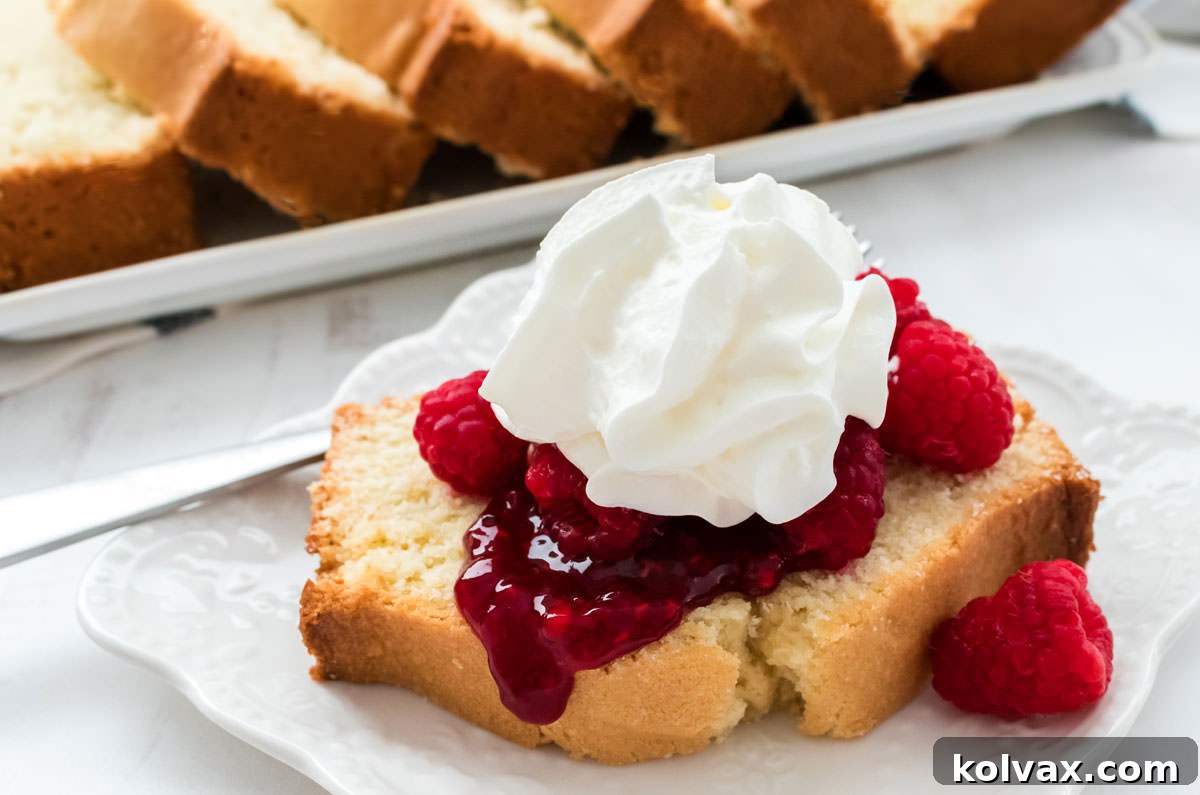
Welcome to the definitive guide for crafting the most delectable, buttery, and perfectly dense Classic Pound Cake! This timeless dessert, celebrated for its rich flavor and incredibly moist crumb, is surprisingly simple to master. Whether you’re a seasoned baker or just starting your culinary journey, our easy-to-follow recipe promises a consistently perfect loaf every single time. Get ready to impress your family and friends with a true crowd-pleaser that serves as a canvas for endless dessert creations or shines gloriously on its own.
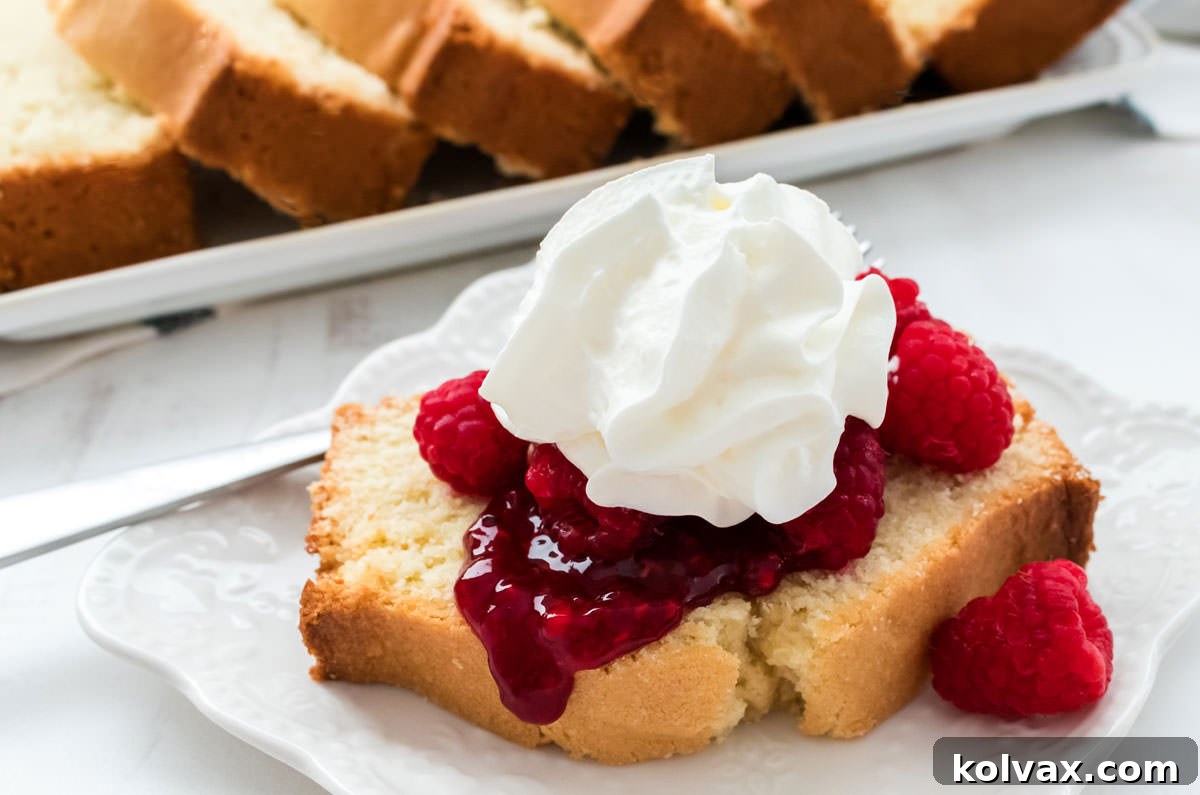
The Classic Pound Cake is more than just a dessert; it’s a versatile foundation for countless sweet treats. From a charming Strawberry Shortcake to an elegant Trifle, or simply enjoyed plain with a dusting of powdered sugar, its rich, dense texture and delicate sweetness are unmatched. This particular recipe stands out not only for its exceptional flavor profile but also for its remarkable simplicity. We’ve meticulously outlined each step, ensuring that with just a little attention to detail, you’ll achieve a perfect, golden-brown loaf that’s both tender and satisfyingly substantial. Prepare to create a dessert that will be remembered and requested for years to come!
Why You Will Love This Classic Pound Cake
There are countless reasons why pound cake holds a special place in the hearts of dessert lovers, and this recipe captures every single one of them:
- Unmatched Flavor: With generous amounts of butter and sugar, this cake delivers a deep, rich, and utterly irresistible flavor that simply can’t be replicated by lighter cakes.
- Perfect Texture: Expect a beautifully dense yet incredibly tender crumb that practically melts in your mouth. It’s substantial enough to hold up to toppings but soft enough to be delightfully moist.
- Incredible Versatility: This isn’t just a cake; it’s a chameleon of the dessert world. Serve it with fresh berries and whipped cream, transform it into a stunning trifle, toast slices for a unique breakfast treat, or drizzle with a simple glaze for an afternoon delight.
- Surprisingly Easy: Despite its sophisticated taste and appearance, this recipe is remarkably straightforward. We focus on proper technique rather than complex steps, making it accessible for bakers of all levels.
- A Timeless Classic: Pound cake has graced tables for centuries, and for good reason. It’s a comforting, nostalgic dessert that brings joy with every bite.
A Brief History of the Humble Pound Cake
The name “Pound Cake” itself tells a delicious story of its origins. Dating back to the early 18th century, the original recipe called for a pound of each of its four main ingredients: flour, butter, eggs, and sugar. This simple, balanced ratio produced a remarkably rich and dense cake that quickly became a staple in European and American kitchens. It was a cake of substance, easy to remember, and relied on readily available ingredients.
Over the centuries, while the core ingredients remain, recipes have evolved. Bakers began to experiment with leavening agents like baking powder and baking soda, though many classic pound cake recipes, like ours, still achieve their lift primarily through the aeration of butter and sugar. Flavorings such as vanilla, lemon zest, or almond extract were introduced to add layers of complexity. Despite these minor variations, the essence of the pound cake—its tender crumb, buttery flavor, and satisfying density—has endured, cementing its status as a beloved dessert across generations.
Essential Ingredients for Pound Cake Perfection
Creating the best classic pound cake starts with understanding your ingredients and preparing them correctly. Here’s what you’ll need and why:
- Good Quality Butter (Salted Sweet Cream): Butter is the heart of pound cake. Using high-quality butter makes a noticeable difference in flavor and texture. Ensure it’s softened to room temperature—this is non-negotiable! Cold butter won’t cream properly with sugar, leading to a dense cake.
- Granulated Sugar: Provides sweetness and helps create a tender crumb. When creamed with butter, it helps aerate the batter, contributing to the cake’s rise and light texture despite its density.
- Vanilla Extract: A classic flavor enhancer that complements the rich buttery notes. Use pure vanilla extract for the best results.
- Large Eggs (Room Temperature): Like butter, eggs must be at room temperature. They emulsify more effectively with the butter and sugar mixture, creating a smoother, more uniform batter and a more even crumb structure in the final cake.
- All-Purpose Flour: The structural component of the cake. Do not substitute with self-rising flour unless specified, and be mindful not to overmix once the flour is added.
How to Make the Batter: Achieving Fluffy Perfection
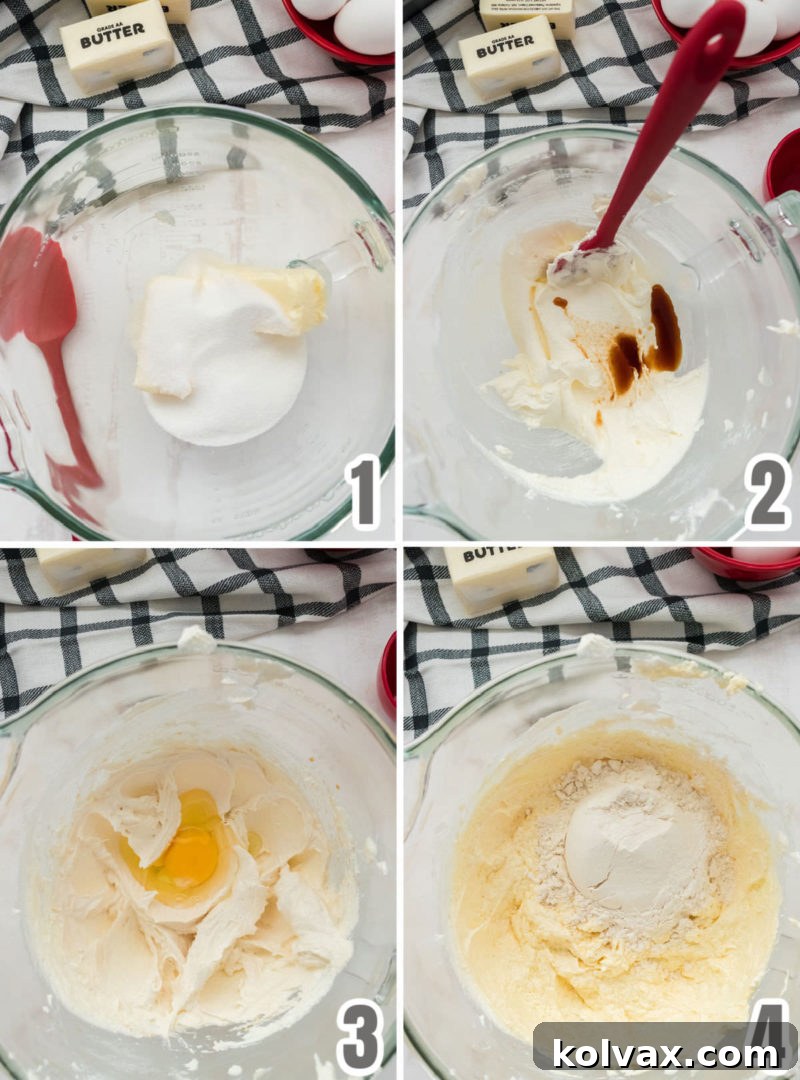
The batter-making process is crucial for achieving the signature dense yet tender crumb of a classic pound cake. Pay close attention to these steps:
Step 1: Creaming Butter and Sugar to Perfection. In a large mixing bowl, combine your softened, room-temperature butter and granulated sugar. Using an electric mixer (stand mixer with paddle attachment or a hand mixer), beat them together on medium-high speed. This step is vital for aeration, which incorporates tiny air bubbles into the mixture, contributing to the cake’s lift and texture. Continue creaming for approximately 5-6 minutes, or until the mixture becomes visibly light, fluffy, and pale in color. This process ensures your cake will be tender, not heavy.
Step 2: Infuse with Vanilla. Once your butter and sugar are beautifully creamed, add the vanilla extract. Mix on low speed just until it is fully incorporated into the mixture. Avoid overmixing at this stage, as the goal is simply to distribute the flavor evenly.
Step 3: Gradually Incorporate Eggs. Add the large, room-temperature eggs one at a time. After adding each egg, beat thoroughly until it is completely combined into the batter. This gradual addition helps prevent the batter from curdling and ensures a smooth, emulsified mixture. Crucially, after each egg addition, take a moment to scrape down the sides and bottom of your mixing bowl with a rubber spatula. This ensures all ingredients are evenly mixed and no pockets of unmixed batter remain.
Step 4: Gently Fold in Flour. Finally, add the all-purpose flour to the batter. Mix on medium-low speed ONLY until the flour is just combined. This is a critical point: do not overmix after the flour has been added. Overmixing develops the gluten in the flour, which will result in a tough, dry, and chewy pound cake instead of the desired tender and moist texture. Stop mixing as soon as no dry streaks of flour are visible.
Baking Your Pound Cake to Golden Perfection
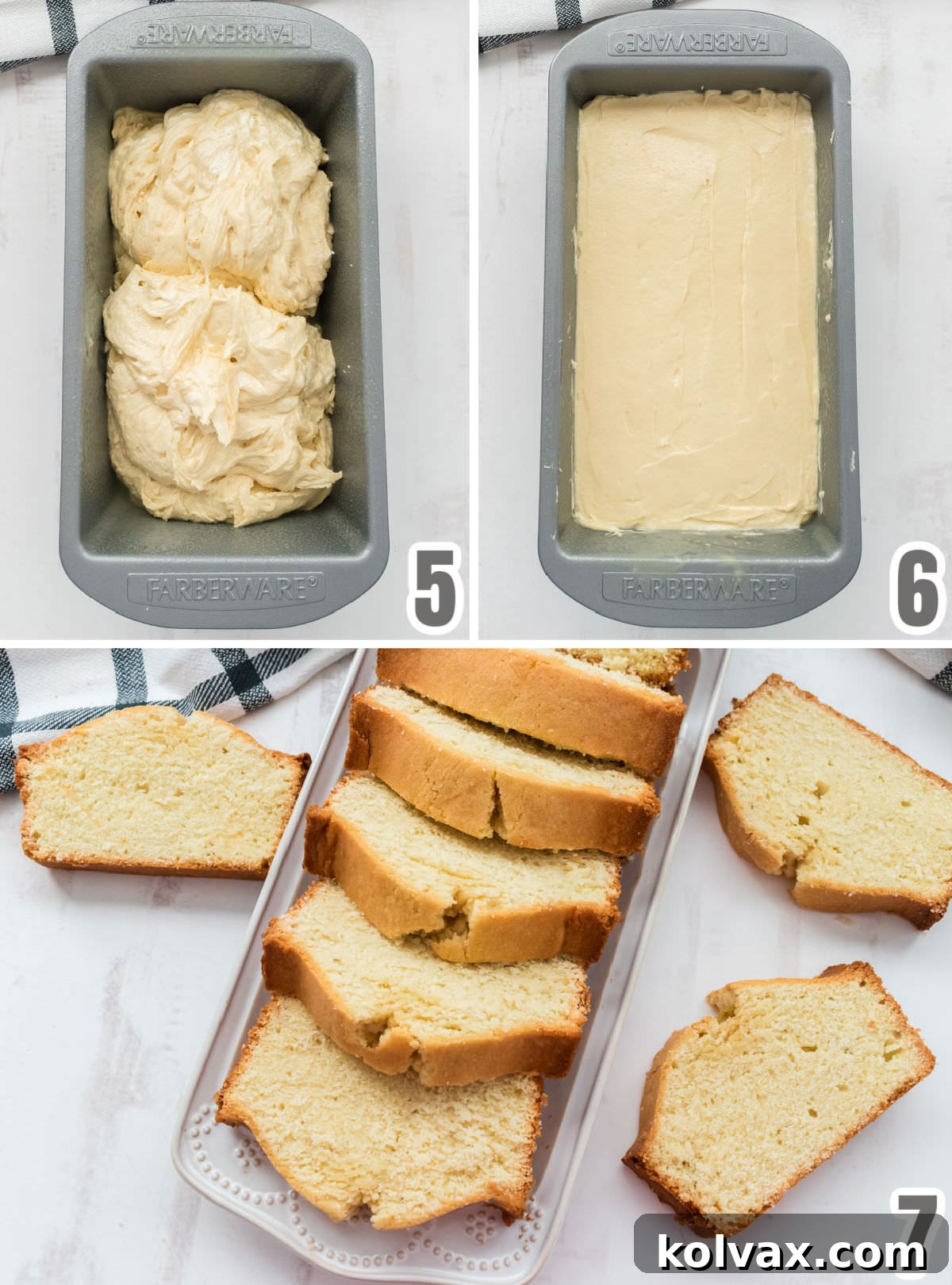
With your perfect batter ready, it’s time for the magic to happen in the oven. Proper baking and cooling techniques are key to a successful pound cake:
Step 5: Prepare Your Loaf Pan and Pour Batter. Before baking, ensure your 9x5x3-inch loaf pan is meticulously prepared. Grease the pan thoroughly with butter or baking spray, then lightly flour it, tapping out any excess. This creates a non-stick surface, ensuring your beautiful cake releases cleanly. Carefully pour the prepared batter into the loaf pan. Use a spatula to spread the batter out evenly, ensuring it fills the pan from corner to corner. This promotes even baking and a level top.
Step 6: The Gentle Bake. Bake your pound cake in an oven that has been preheated to 325 degrees Fahrenheit (160 degrees Celsius). The lower temperature is essential for pound cake, allowing it to bake slowly and thoroughly without burning the exterior or creating an overly domed and cracked top. Bake for 50-60 minutes. The exact time can vary depending on your oven, so always rely on the visual and tactile cues. The cake should be golden brown on top, and a wooden toothpick or skewer inserted into the center should come out clean, with no wet batter attached.
Step 7: The Art of Cooling. Once baked, resist the urge to immediately remove the cake from the pan. Allow the pound cake to cool in the pan for 10-15 minutes on a wire rack. This allows the cake to set further and makes it easier to handle. After this initial cooling period, carefully invert the pan onto the wire rack, lift the pan, and allow the pound cake to finish cooling completely on the wire rack. Cooling on a rack ensures air circulation, preventing the bottom of the cake from becoming soggy due due to trapped steam.
Expert Tips for an Unforgettable Pound Cake
Achieving pound cake perfection involves more than just following steps; it’s about understanding the nuances. Here are invaluable tips to elevate your baking:
- Embrace Quality Ingredients: This cannot be stressed enough. Given the simplicity of pound cake, the quality of your butter, eggs, and vanilla truly shines through. Opt for the best butter you can find, as it forms the foundation of the cake’s rich flavor and texture.
- The Golden Rule: Room Temperature Ingredients: This is arguably the most crucial tip. Butter and eggs at room temperature (ideally, removed from the refrigerator 3-4 hours prior) emulsify beautifully. Room temperature butter creams with sugar to incorporate more air, resulting in a lighter, fluffier texture. Room temperature eggs mix more evenly into the batter, preventing curdling and ensuring a smooth, consistent crumb.
- Master the Creaming Process: Don’t rush this step! Cream the butter and sugar with your mixer for at least 5 minutes, or until it’s light, fluffy, and noticeably paler. This extensive creaming process is how you “aerate” the batter, introducing vital air bubbles that contribute significantly to the cake’s rise and tender structure.
- The Peril of Overmixing Flour: Once you add the flour, mix on the lowest speed possible and stop as soon as the last streak of flour disappears. Overmixing develops gluten in the flour, which will lead to a tough, dry, and chewy cake—the exact opposite of the tender crumb we’re aiming for.
- Proper Pan Preparation: Always grease and flour your loaf pan thoroughly. This step is essential for easy release and to achieve a beautiful, intact cake. For extra assurance, you can line the bottom with a strip of parchment paper, allowing some to overhang for easy lifting.
- Know Your Oven: Ovens can vary widely in temperature. Consider using an oven thermometer to ensure your oven is truly preheating to 325°F (160°C). An accurate temperature is key for even baking and to prevent a dry cake or a raw center.
- Serving and Storing at Room Temperature: Cold pound cake tends to lose its beautiful aroma and becomes denser, muting its delicious flavor. Always serve and store your pound cake at room temperature. Keep it in an airtight container for up to 3-4 days to maintain its freshness and delightful moisture. For longer storage, slices can be individually wrapped and frozen for up to a month.
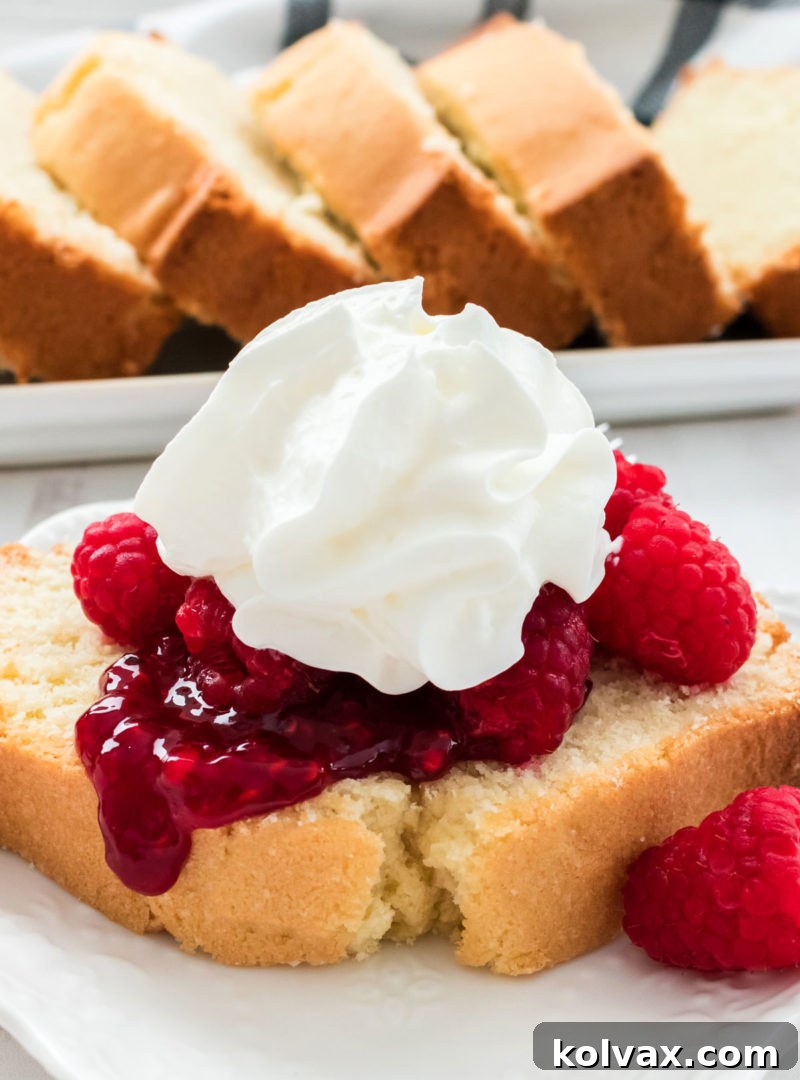
Serving Suggestions for Your Delicious Pound Cake
While this Classic Pound Cake is absolutely divine on its own, its versatility truly shines when paired with various toppings and accompaniments. Here are some delightful ideas to elevate your pound cake experience:
- Fresh Berries and Whipped Cream: A timeless combination! The tartness of mixed berries (strawberries, raspberries, blueberries) cuts through the richness of the cake, beautifully complemented by a cloud of homemade whipped cream.
- Lemon Glaze: A simple glaze made from powdered sugar and fresh lemon juice adds a zesty, bright finish that perfectly balances the buttery cake.
- Fruit Compote or Sauce: Warm cherry, peach, or apple compote can add a delightful textural and flavorful contrast.
- Ice Cream: A scoop of vanilla bean ice cream melting over a warm slice of pound cake is pure comfort.
- Chocolate Drizzle: For the chocolate lovers, a simple chocolate ganache or melted chocolate drizzle adds a touch of decadence.
- Pound Cake French Toast: Leftover slices can be transformed into an indulgent breakfast! Dip in an egg mixture and pan-fry until golden, then serve with syrup.
- Coffee or Tea: Sometimes, the simplest pairing is the best. Enjoy a slice with a hot cup of coffee or your favorite tea for a perfect afternoon treat.
Common Pound Cake Problems and How to Fix Them
Even seasoned bakers encounter challenges. Here are some common pound cake issues and how to troubleshoot them:
- My Pound Cake is Dry/Dense:
- Solution: This is almost always due to overmixing the flour. Once flour is added, stop mixing as soon as the ingredients are just combined. Another culprit can be not enough fat or too much flour. Ensure accurate measurements and room-temperature ingredients.
- My Pound Cake Sank in the Middle:
- Solution: A sinking center usually means the cake was underbaked. Make sure a toothpick comes out completely clean from the center. It can also happen if the oven door is opened too early, causing a sudden temperature drop. Resist opening the oven door until at least two-thirds of the baking time has passed.
- My Pound Cake Top Cracked Severely:
- Solution: A slight crack is normal and often desired, but a severe crack can mean the oven temperature was too high, causing the outside to set before the inside could finish rising. Ensure your oven temperature is accurate and try tenting the cake with foil halfway through baking if it’s browning too quickly.
- My Pound Cake is Greasy:
- Solution: This can happen if the butter wasn’t fully creamed with the sugar, leading to a separation of fat. Ensure you cream butter and sugar until very light and fluffy. It can also occur if the cake isn’t baked long enough, preventing the fat from fully integrating into the cake’s structure.
- My Pound Cake Stuck to the Pan:
- Solution: This is a sign of insufficient pan preparation. Always grease thoroughly with butter or baking spray, then dust with flour, tapping out excess. Using parchment paper on the bottom is an excellent preventative measure.
Other Dessert Recipes You Will Love
- Homemade Strawberry Shortcake
- The Best Ever Cherry Dump Cake
- Ultimate Rice Krispie Treats
- Cozy Christmas Morning Coffee Cake
Did you try this irresistible Classic Pound Cake Recipe? We’d absolutely love to hear from you! Please leave a review below to share your experience. Don’t forget to snap a picture of your beautiful creation and tag @twosisterscrafting on Instagram so we can see your amazing work!
And for more delightful recipes, baking tips, and creative ideas, make sure to follow us on Pinterest, Facebook, and Instagram! Happy baking!
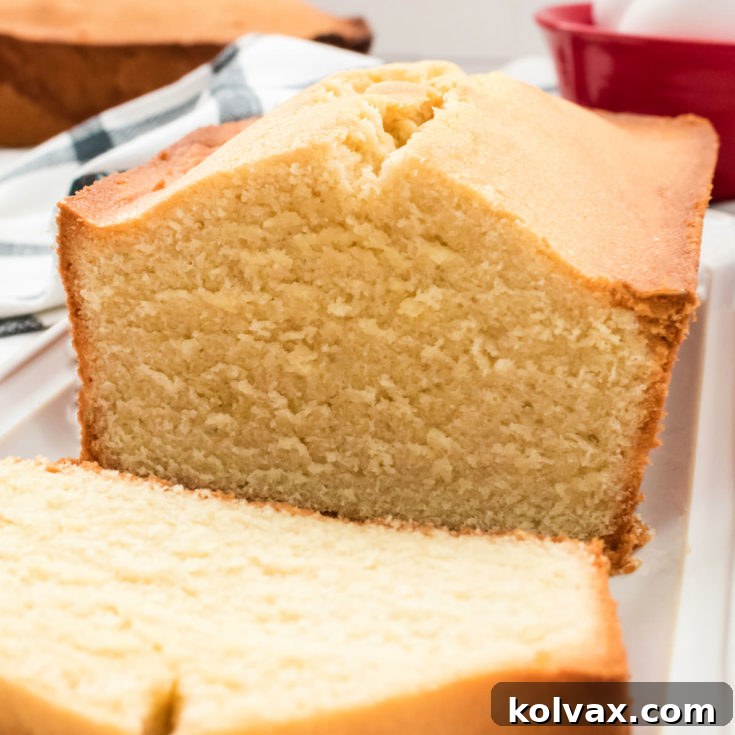 Print Recipe
Classic Pound Cake Recipe
12 servings
15 minutes
55 minutes
1 hour 10 minutes
This Classic Pound Cake Recipe is an absolute delight – easy to make, incredibly versatile, and guarantees a sweet, buttery, dense, and utterly delicious outcome. It’s truly a timeless crowd-pleaser for any occasion.
Ingredients
- 1 cup Butter (Salted Sweet Cream, Softened to Room Temperature)
- 1 cup Granulated Sugar
- 2 teaspoons Vanilla Extract
- 4 large Eggs (Room Temperature)
- 2 cups All-Purpose Flour
Instructions
- Add softened butter and granulated sugar to a large mixing bowl.
- Cream the butter and sugar with an electric mixer until light, fluffy, and pale (approximately 5-6 minutes).
- Add vanilla extract and mix until just combined.
- Add eggs one at a time, beating thoroughly after each addition. Scrape down the bowl after each egg is incorporated.
- Add all-purpose flour and mix on medium-low speed ONLY until the flour is just combined. Do not overmix.
- Prepare a 9x5x3-inch loaf pan by greasing and flouring it thoroughly.
- Pour the batter into the prepared loaf pan and spread it out evenly.
- Bake in a preheated oven at 325°F (160°C) for 50-60 minutes, or until a toothpick inserted into the center comes out clean.
- Cool the cake in the pan for 10-15 minutes, then remove it from the pan and transfer to a wire rack to cool completely.
Notes
Tips for a Perfect Pound Cake:
- Always use good quality butter and ensure both butter and eggs are at room temperature for optimal emulsification and aeration.
- Cream the butter and sugar for at least 5-6 minutes until very light and fluffy; this builds essential air into your cake.
- Avoid overmixing the batter once the flour is added; mix only until just combined to prevent a tough cake.
- Cool the cake in the pan for 10-15 minutes before transferring to a wire rack to cool completely.
- Serve and store pound cake at room temperature in an airtight container for up to 3-4 days to maintain its moisture and flavor.
Did you Make this Recipe? Leave a review below, then snap a picture and tag @twosisterscrafting on Instagram so we can see it!