DIY Chalkboard Letter Practice Set: An Engaging Tool for Early Literacy
From the moment my niece was born, my sister and I have shared the common concern of ensuring she meets all her developmental milestones. While we know every child progresses at their own unique pace, the desire to support her learning journey, especially as she prepared for preschool, was always at the forefront of our minds. We wanted to provide her with every advantage, making learning both effective and enjoyable.
It was during this time that I discovered an inspiring Pinterest pin featuring a chalkboard letter practice set. The concept immediately resonated with me. My niece was just beginning to grasp the fundamentals of letter recognition and formation—she had proudly mastered writing the letter “A,” affectionately calling it the “Up Down Across” letter. I envisioned this project as a fantastic, hands-on method to introduce her to the rest of the alphabet, making the learning process interactive and playful rather than a chore.
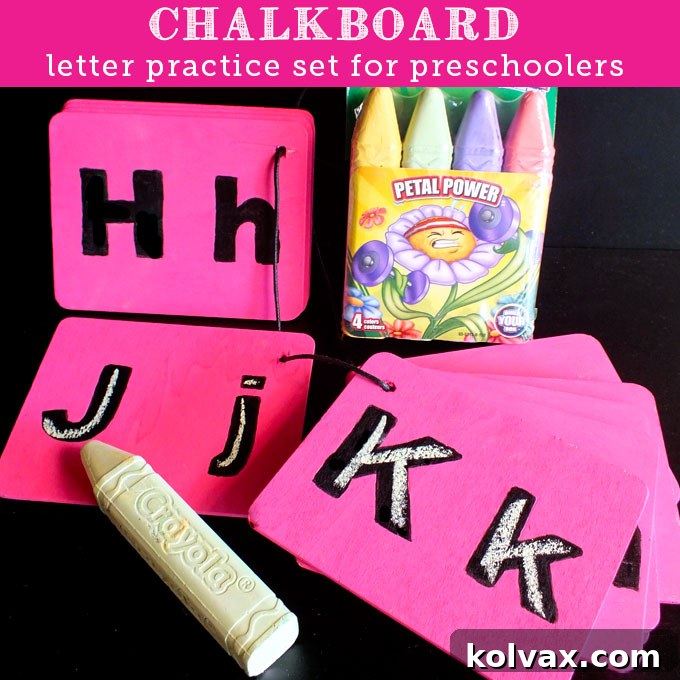
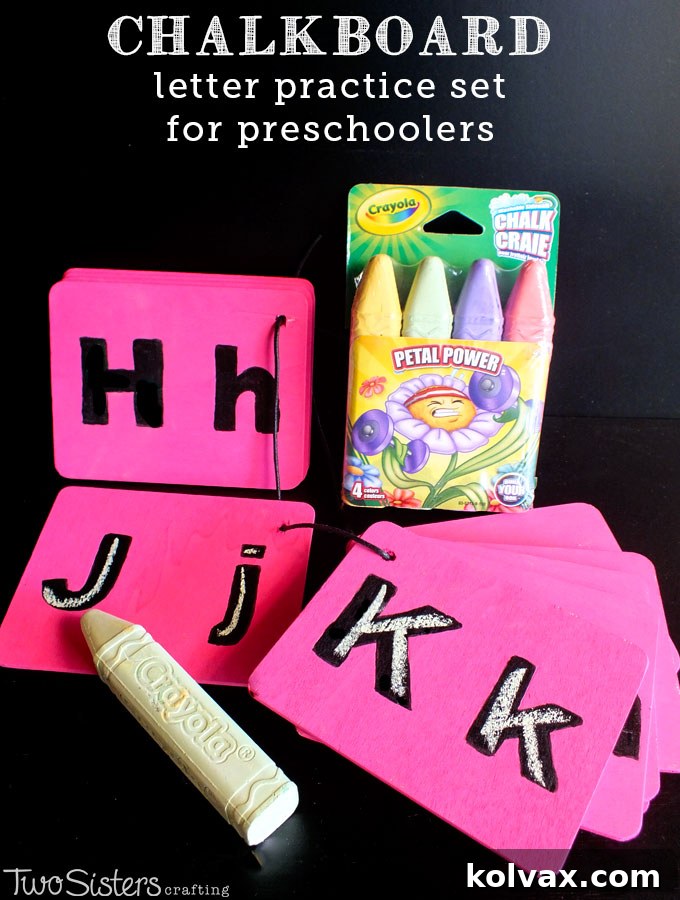
While taking inspiration from the original idea, I decided to customize the design to better suit a young learner’s needs. My version incorporates both uppercase and lowercase letters on each practice block. This crucial modification allows children to associate the two forms of each letter from the outset, reinforcing their understanding of the complete alphabet. Furthermore, I opted to attach the individual letter pieces, preventing them from getting scattered or lost—a practical consideration for any busy household with a curious preschooler. The final result, this customized Chalkboard Letter Practice Set, far exceeded my expectations, and I was genuinely thrilled with how it turned out, knowing it would be a valuable asset in her early education.
Craft Your Own Learning Tool: How to Make a Chalkboard Letter Practice Set
Creating educational resources at home offers a wonderful way to personalize learning experiences for children. This DIY chalkboard letter practice set is not only incredibly satisfying to make but also provides a durable, reusable, and engaging platform for your child to develop essential pre-writing skills and letter recognition. Here’s everything you’ll need and a step-by-step guide to bring this fantastic learning aid to life.
Essential Supplies for Your DIY Letter Practice Set
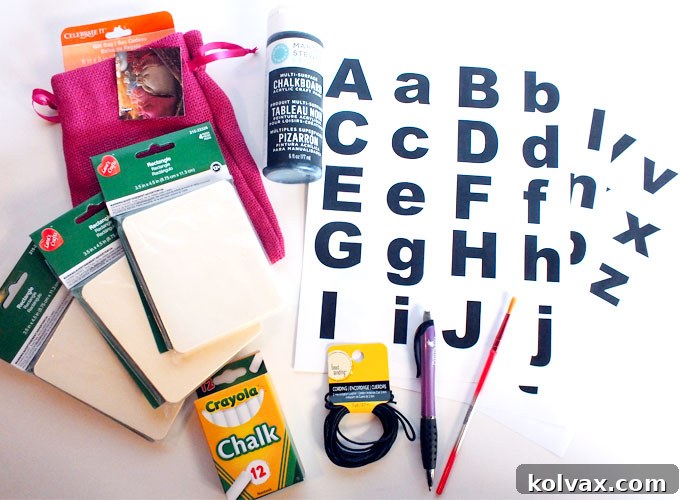
Gathering the right materials is the first step towards a successful and enjoyable crafting project. Each item plays a specific role in ensuring your chalkboard letter set is both functional and durable:
- 13 Wood Rectangles (approx. 3.5 x 4.5 inches): These serve as the foundation for your letter blocks. You can adjust the quantity based on how many letters or additional symbols you wish to include.
- Chalkboard Paint: The star of the show! This specialized paint transforms your wood blocks into erasable writing surfaces. Black is traditional, but various colors are available.
- Acrylic Paint: Used for the base coat, it adds a touch of color and seals the wood. Choose a child-friendly color that contrasts well with the chalkboard paint.
- Small, Fine-Tip Paint Brush: Essential for precise application when painting the letter outlines. Detail brushes are ideal.
- Drill and Small Drill Bit: For creating holes to string the blocks together, ensuring they stay organized.
- Jewelry Cording or Durable Twine: To connect the finished letter blocks into a cohesive, portable set.
- Ballpoint Pen: For transferring the letter outlines onto the wood through a clever tracing method.
- Alphabet Printout (created in Adobe Photoshop or similar software): Your custom templates for each letter, ensuring consistency and clarity.
- Chalk: For immediate use with your new chalkboard set! Dustless chalk is often preferred for young children.
- Fine-grit Sanding Block: To smooth out any rough edges on the wood, making them safe and pleasant to handle.
Step-by-Step Guide to Creating Your Chalkboard Letter Set
Step 1: Preparing Your Wooden Blanks – Drilling for Durability
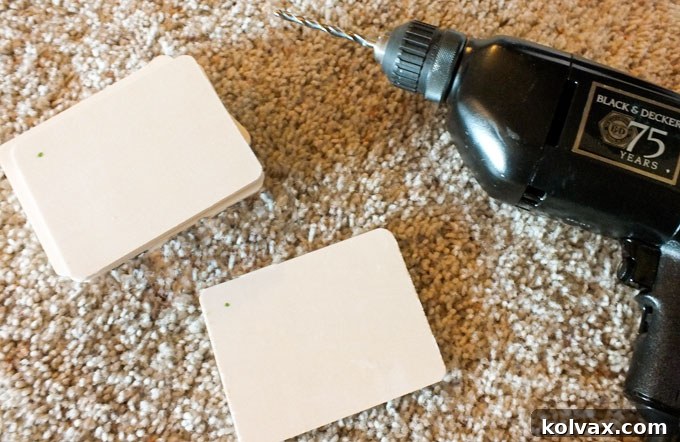
The first action in our crafting journey is to prepare the wooden rectangles. I started by drilling a small, neat hole in one corner of each wood piece. This step is crucial for the set’s functionality, as these holes will later allow us to string all the blocks together, creating a unified and easily manageable learning tool. I sourced these particular wood rectangles at a craft store, and they came conveniently packaged, four to a pack. Their dimensions were perfect: sufficiently large to accommodate clear, bold letter outlines that small hands could easily trace, yet compact enough that the complete set wouldn’t be cumbersome for a preschooler to handle or transport. When drilling, always ensure safety by securing the wood and using an appropriate drill bit size for your chosen cording.
Step 2: Smoothing the Edges – The Importance of Sanding
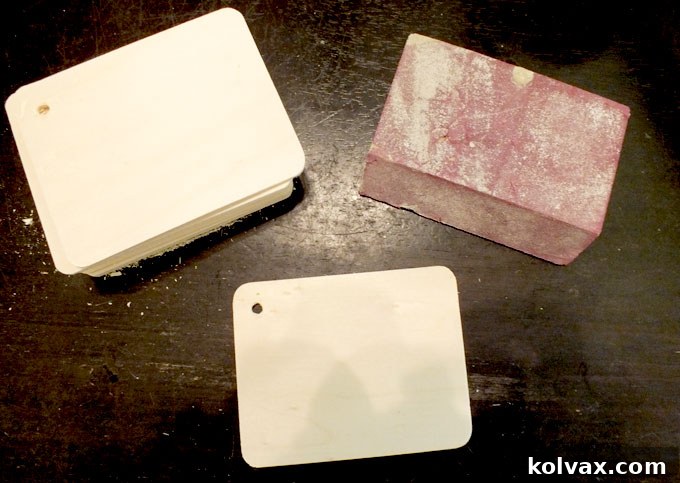
Before any paint touches the wood, it’s essential to ensure a smooth, safe surface. The wood rectangles, being unfinished, naturally had some slightly rough edges. To remedy this, I used a fine sanding block to meticulously smooth out any splinters or unevenness. This step is not just about aesthetics; it’s vital for child safety, preventing tiny hands from getting pricked. A smooth surface also allows for better paint adhesion and a more professional, polished final appearance, ensuring the chalkboard paint goes on evenly and beautifully.
Step 3: Laying the Foundation – Applying Your Base Coat
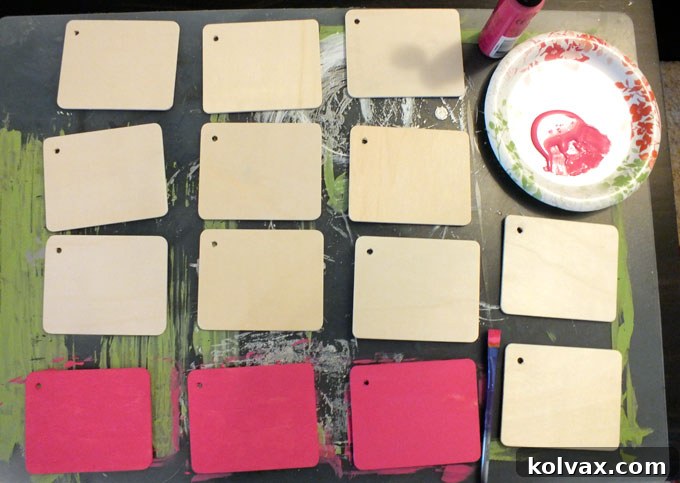
With the wood now smooth and prepared, it’s time for the first layer of color. I applied a single, even coat of acrylic paint to each wooden block. Acrylic paint is an excellent choice for its quick-drying properties and versatility. Because wood is quite porous, it tends to absorb paint readily, which in this case, created a lovely effect. Instead of a thick, opaque layer, the paint soaked right into the grain, giving the wood a subtle, stained appearance that added to its charm. You can choose any color that appeals to you, keeping in mind that it will serve as the background for your chalkboard letters.
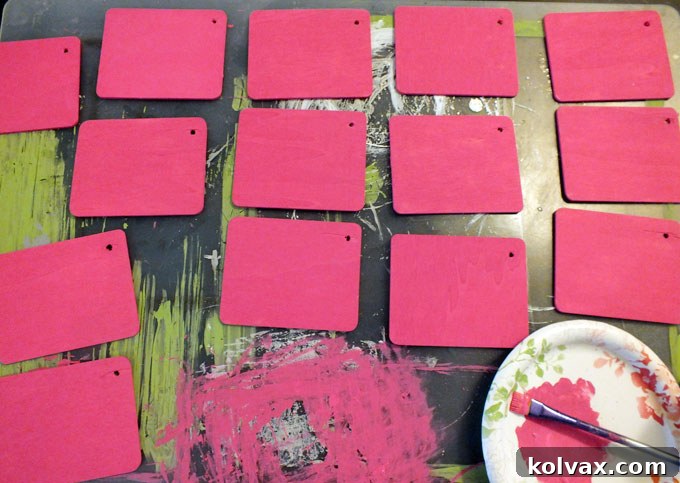
Once the base coat was dry, the wood’s natural grain and texture were still subtly visible, giving each piece a unique, almost handcrafted feel. This semi-transparent finish adds character and ensures the blocks don’t look overly manufactured. Allow ample drying time for the acrylic paint to ensure proper adhesion before moving on to the next steps. This base layer creates a beautiful backdrop against which your chalkboard letters will truly pop.
Step 4: Crafting Your Letter Templates for Precision
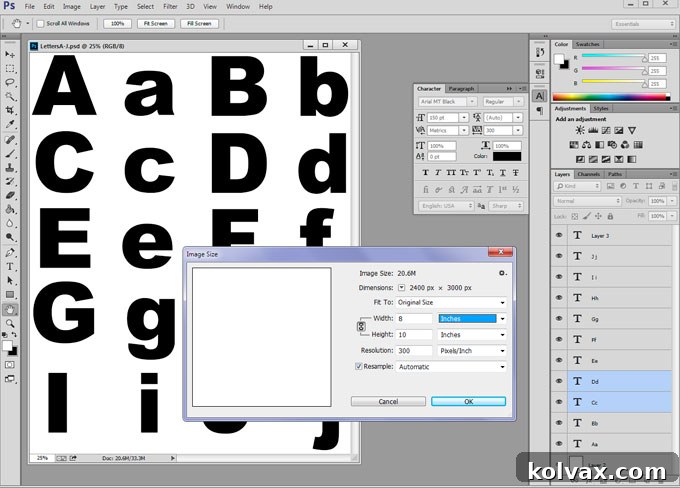
Finding the perfect alphabet stencil can be surprisingly difficult, especially when you’re looking for a clear, traditional schoolhouse sans-serif font suitable for teaching. After an exhaustive search yielded no satisfactory results, I decided to employ a clever letter painting technique I had previously seen on Pinterest. The first step involves creating custom printouts of all the letters, both uppercase and lowercase, using a design program like Adobe Photoshop.
For optimal clarity and print quality, I created a new image file with a 300 dpi resolution and a printable width of 8 inches by 10 inches (which translates to 2400 pixels by 3000 pixels). I then used the clean and legible Arial MT font, setting the letter size to 150 points. To ensure adequate space between the uppercase and lowercase versions of each letter, I increased the vertical spacing to 150, preventing them from appearing too cramped. Each letter grouping was created on a separate layer for easy management. I managed to fit approximately 10 letter groupings onto a single image file, resulting in three distinct sheets to cover the entire alphabet. Finally, I printed these letter sheets on my inkjet printer using the highest quality setting available, ensuring that the edges of each letter were as sharp and clear as possible, which is vital for the tracing process.
Step 5: Transferring Your Letters – The Tracing Technique
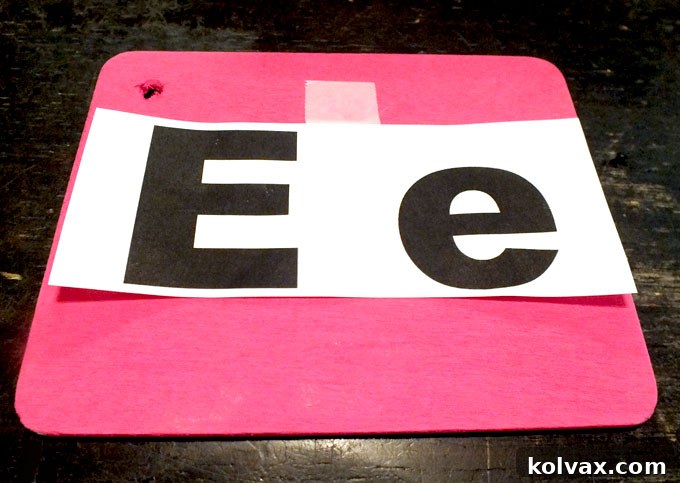
Once your high-quality letter printouts are ready, carefully cut out each individual letter grouping. The next step is to position and secure these paper templates onto the painted wood rectangles. Use a small piece of painter’s tape or masking tape to firmly attach the paper to the wood, ensuring it won’t shift during the tracing process. Proper alignment is key here, so take a moment to center the letter aesthetically on each block.
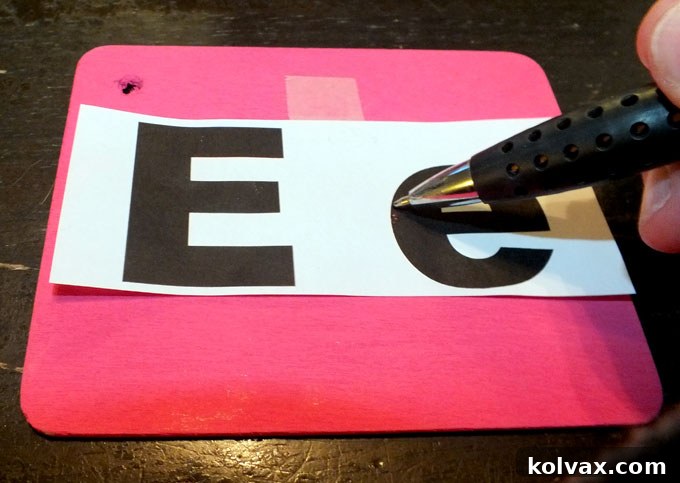
Now comes the ingenious part of this transfer method: tracing. With a ballpoint pen, meticulously trace over the entire outline of each letter. The goal is to apply sufficient pressure to leave a subtle indentation in the wood beneath the paper, effectively transferring the letter’s shape. However, be mindful not to press so hard that you tear through the paper or, more importantly, transfer any ink onto your beautifully painted wooden block. This technique relies on creating a physical impression rather than an ink outline.
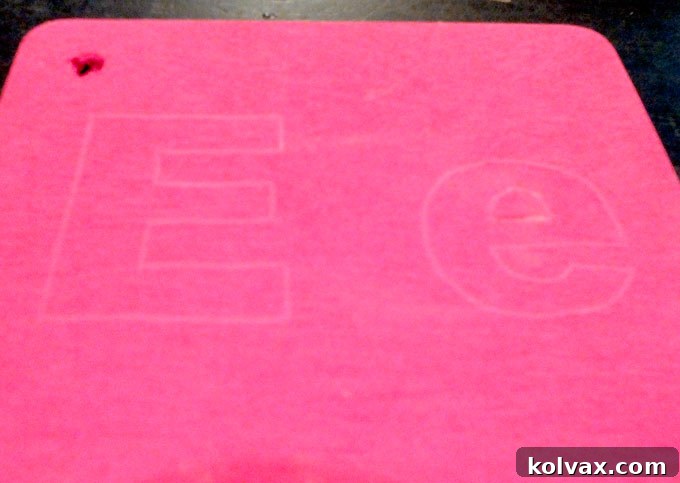
Upon carefully removing the paper template, you should be left with a faint, yet clearly discernible, indentation on the wood rectangle. This indentation, precisely in the shape of your chosen letter, will serve as an invaluable guide for the next step: painting. It’s a remarkably effective and precise way to transfer intricate designs without the mess or potential errors of freehand drawing or less accurate stencil methods. Truly a brilliant hack!
Step 6: Bringing Letters to Life with Chalkboard Paint
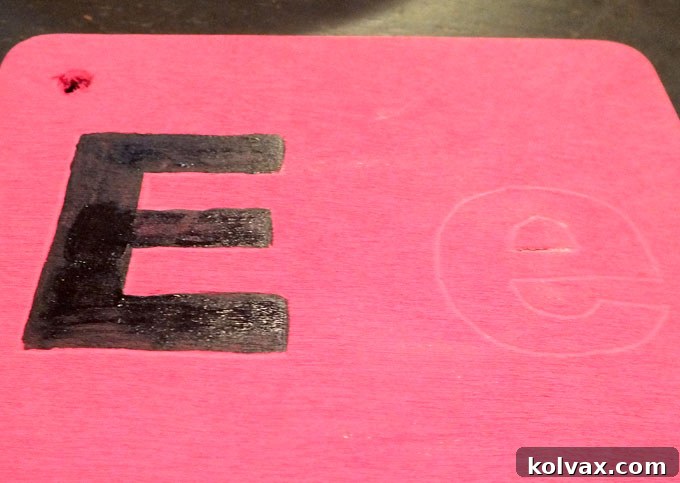
This stage of the project is undoubtedly the most time-consuming, requiring a steady hand and a good dose of patience: filling in the letter outlines with chalkboard paint. However, the tracing technique we just completed proves to be an incredible asset here. The faint indentations serve as a perfect, unwavering guide, making the painting process much more manageable than it would be otherwise. You’ll be amazed at how precisely you can follow the lines.
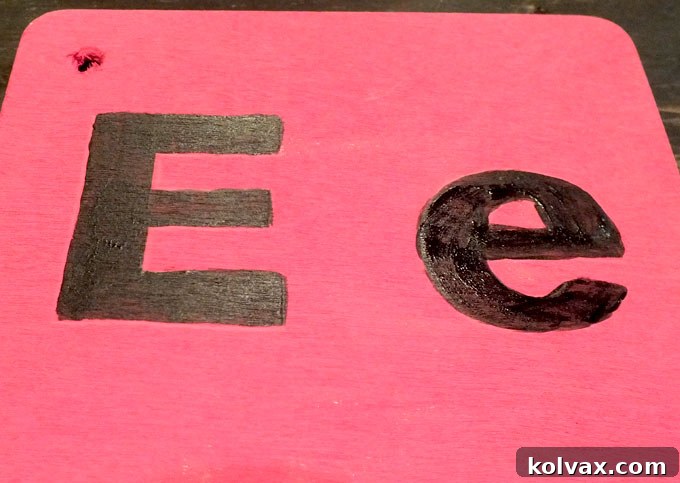
For the initial coat of chalkboard paint, I used a minuscule, fine-tipped paintbrush. I won’t sugarcoat it—this first coat demands significant time and careful attention to detail. The key is to apply the paint thinly and deliberately, meticulously following the traced lines to establish a crisp edge. The good news is that once this foundational layer is perfectly executed, the subsequent coats become considerably easier and quicker to apply. After the first coat has dried completely, you can proceed with additional layers. I found that three coats of chalkboard paint provided optimal coverage and created a durable, functional chalkboard surface. For the second and third coats, I focused more on achieving solid, even coverage within the letter’s interior, being less concerned with the edges which were already perfectly defined by the first pass. Ensure each coat dries thoroughly before applying the next, usually an hour or two depending on humidity.
Step 7: The Grand Reveal – Curing Your Chalkboard Surface
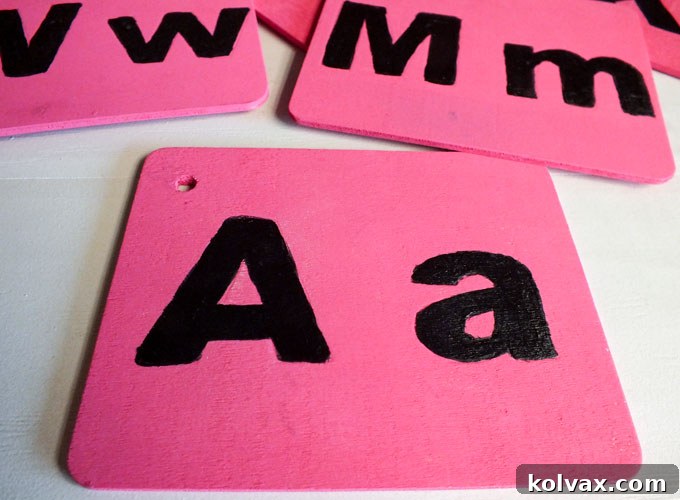
After applying all three coats of chalkboard paint and allowing them to fully dry (this can take 24-72 hours, depending on the paint brand and environmental conditions), it’s crucial to “cure” your new chalkboard surface before its first use. This simple but important step prevents chalk marks from permanently “ghosting” onto the surface. To cure the chalkboard paint, take a piece of chalk and gently rub the side of it over the entire painted letter. Ensure every part of the chalkboard surface is lightly coated with chalk dust. Then, simply wipe it clean with a dry cloth or paper towel. Your chalkboard letters are now seasoned and ready for countless hours of practice!
Step 8: Assembling Your Learning Chain
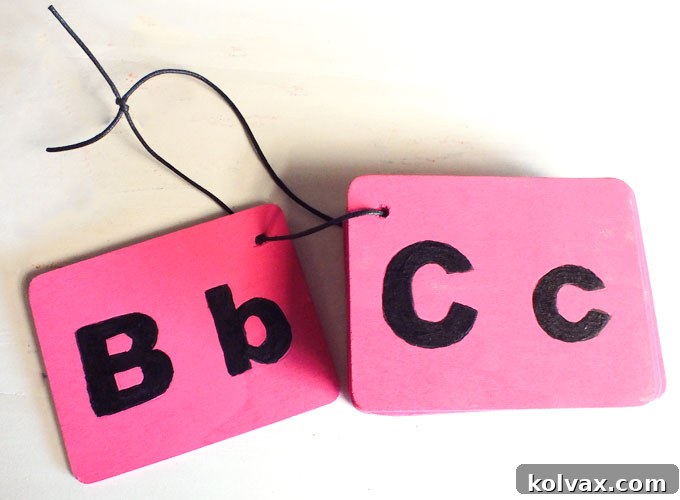
With all your beautiful chalkboard letter blocks completed and cured, the final step is to string them together. Using the jewelry cording, thread it through the pre-drilled holes in each block. You can arrange them alphabetically or in any order that suits your learning objectives. Tying a knot after each block will keep them spaced evenly and prevent them from sliding too close together. This creates a cohesive, portable set that is easy to store and transport. The connected design is particularly beneficial for young children, as it keeps all the learning pieces together, minimizing the chance of individual blocks getting misplaced or lost during playtime and learning sessions.
The Final Product: A Durable and Engaging Learning Tool
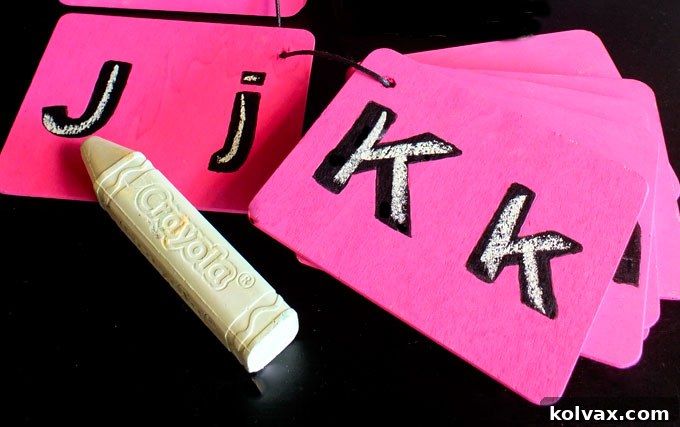
The finished chalkboard letter practice set is not just visually appealing but also highly functional. The chalkboard paint performs beautifully, allowing chalk to glide on smoothly and wipe off effortlessly. For quick clean-ups, a dry paper towel works perfectly, leaving the surface ready for the next writing attempt. For a more thorough cleaning or to remove stubborn marks, a slightly damp paper towel is even more effective and will not damage the paint or the prepared chalkboard surface in the slightest. This durability ensures that the set can withstand repeated use by enthusiastic young learners, serving as a reliable educational tool for years to come.
Maximizing Learning and Fun with Your DIY Chalkboard Letter Set
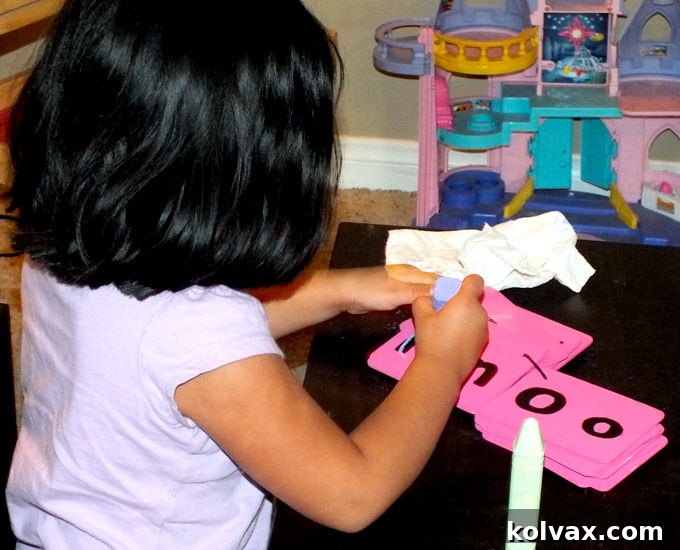
This DIY chalkboard letter practice set is more than just a craft project; it’s a versatile educational resource designed to make learning engaging and effective. It’s a “fun craft to make,” as I initially thought, but its real value lies in the extensive use it’s destined to receive. Children can use it to trace letters, practicing their handwriting and developing fine motor skills crucial for writing. Beyond simple tracing, these blocks can facilitate early spelling by arranging the letters to form simple words. They also provide a fantastic tactile learning experience, allowing children to feel the movement of forming each letter with chalk.
Moreover, the reusability of a chalkboard surface means endless practice opportunities without the waste of paper. It encourages independence in learning, allowing children to practice at their own pace and correct their mistakes with a simple wipe. This set is not limited to letters either; you could create similar blocks for numbers, shapes, or even sight words, expanding its educational utility. Watching my niece interact with this personalized learning tool fills me with joy, knowing it contributes positively to her early development in a way that’s both educational and endlessly entertaining.
Why DIY Educational Tools Are a Game Changer
Creating your own educational tools, like this chalkboard letter practice set, offers numerous advantages over store-bought alternatives. Firstly, it allows for complete customization to suit a child’s specific needs and interests. From choosing the colors to selecting the perfect font, every element can be tailored. Secondly, it’s often more cost-effective, leveraging affordable materials readily available at craft stores. Thirdly, there’s an immense sense of satisfaction and pride that comes from crafting something meaningful for a loved one. These handmade tools carry a personal touch, making them more special and often more cherished by children. They also foster a creative environment at home, potentially inspiring children to engage in their own DIY projects as they grow. Ultimately, DIY educational resources are a powerful way to enhance learning, encourage creativity, and strengthen bonds through shared projects.
Pinterest Inspiration:
Discover more inspiration for DIY learning tools on Pinterest!