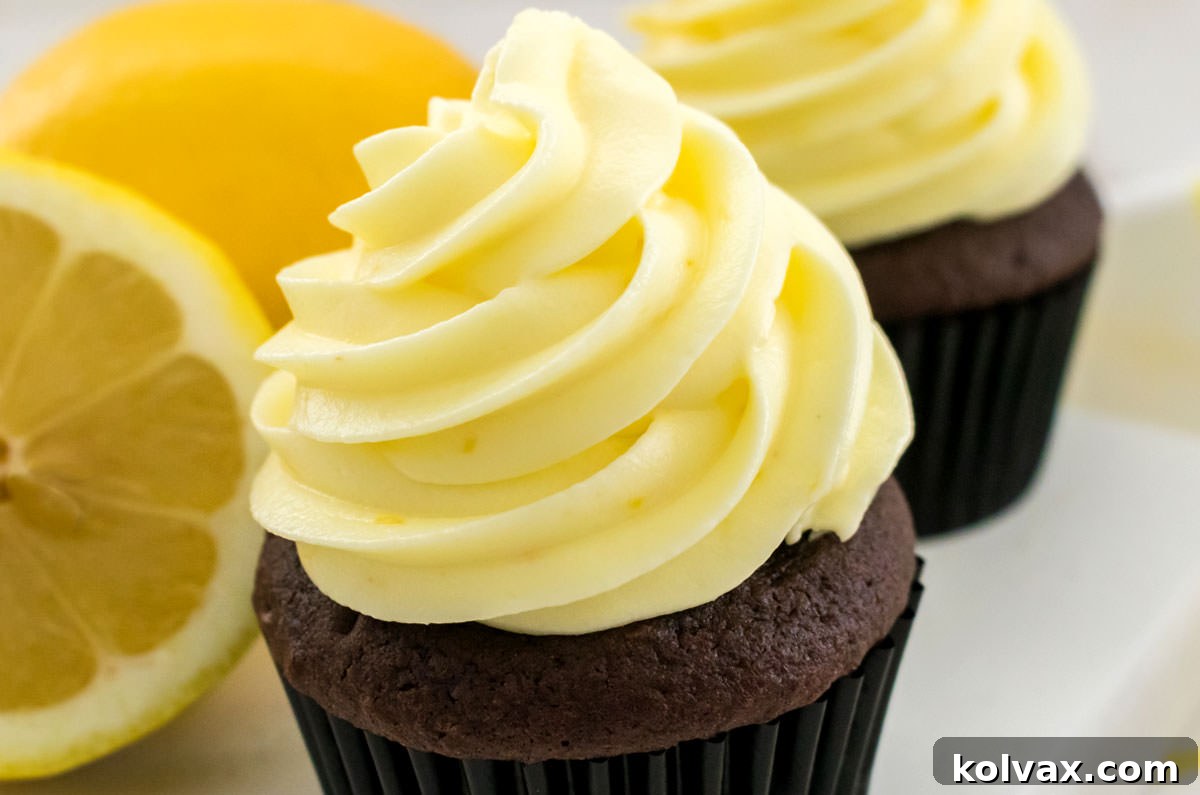
Welcome to the ultimate guide for creating a frosting that’s as bright and delightful as a sunny spring day! Our “Best Lemon Cream Cheese Frosting” is a beloved recipe, celebrated for its perfect balance of tangy lemon zest and rich, creamy cream cheese. It’s not just a frosting; it’s a culinary experience, transforming any ordinary dessert into an extraordinary treat. If you’re searching for a frosting that delivers intense fresh lemon flavor, unparalleled creaminess, and an unforgettable taste, you’ve found your new go-to recipe.
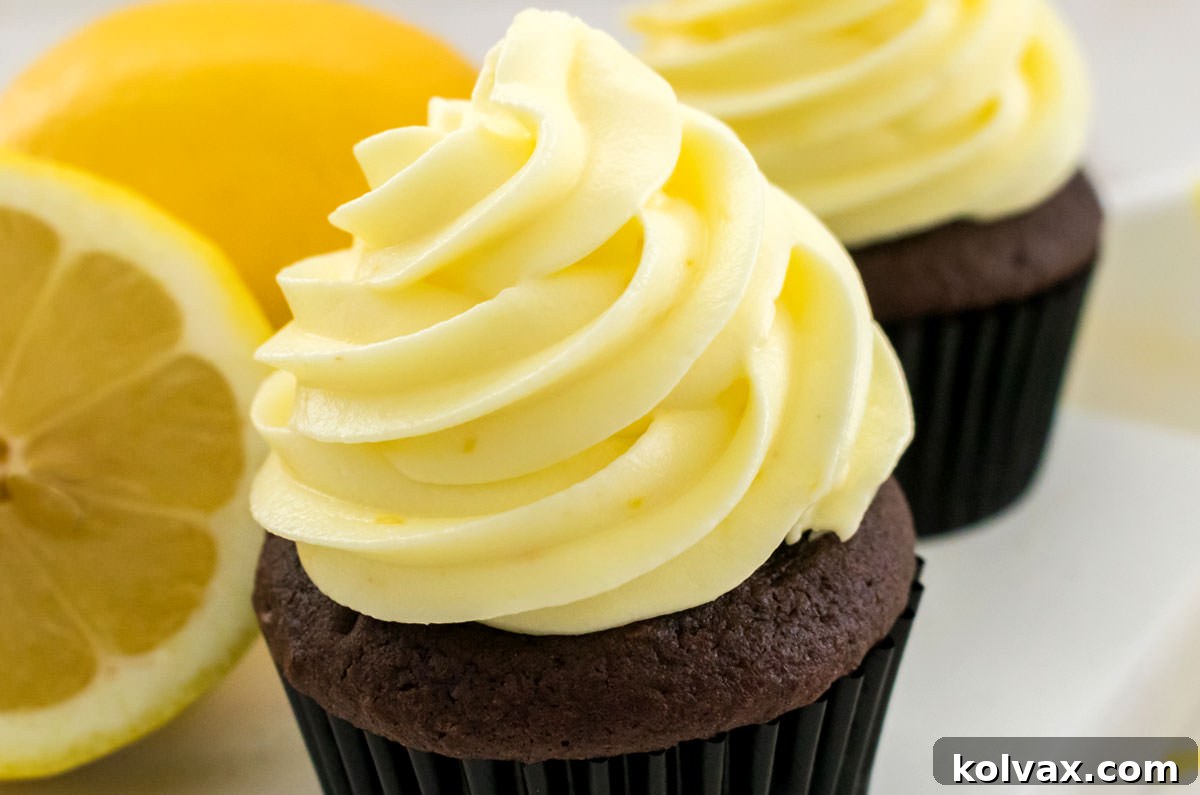
The Best Lemon Cream Cheese Frosting: Tart, Creamy, and Simply Irresistible
There’s something truly magical about lemons. Their vibrant aroma and zesty flavor have the power to uplift and refresh, making them a star ingredient in countless desserts. We adore the bright notes of citrus, and after perfecting our Lemon Buttercream Frosting, we knew a lemon-infused cream cheese frosting would be an absolute triumph. And indeed, it is! This homemade lemon cream cheese frosting recipe has quickly become a family favorite, earning its title as truly the best we’ve ever tasted. It combines the classic tang of cream cheese with an invigorating burst of fresh lemon, resulting in a frosting that is wonderfully creamy, incredibly flavorful, and perfectly balanced. Whether you’re topping cupcakes, cakes, or simply enjoying it by the spoonful, this delightful concoction promises to brighten your day and tantalize your taste buds with its authentic fresh lemon flavor.
Essential Ingredients for Your Perfect Lemon Cream Cheese Frosting
Creating this spectacular lemon cream cheese frosting requires a few key ingredients, each playing a vital role in achieving that perfect texture and unforgettable flavor. Using high-quality, fresh components is the first step towards a truly exceptional result.
- 1/2 cup Unsalted Butter, Slightly Softened: We recommend unsalted butter so you have complete control over the salt level in your frosting. “Slightly softened” is a crucial term here; it means the butter should still be cool to the touch but yield gently when pressed, ideally having sat out of the refrigerator for 30-60 minutes. This state is perfect for creaming smoothly with the cream cheese without becoming greasy or liquid.
- 8 oz. Full-Fat Cream Cheese, Slightly Softened: For the best stability, richness, and classic cream cheese flavor, always opt for full-fat block cream cheese, not the spreadable kind typically found in tubs. Like the butter, it should be slightly softened to avoid lumps and ensure a perfectly smooth, silky mixture when combined.
- 1/4 cup Fresh Lemon Juice: This is truly the star of the show for that bright, authentic citrus punch. Freshly squeezed lemon juice is non-negotiable for achieving the vibrant flavor intensity and natural acidity that makes this frosting so special. Bottled juice, unfortunately, just doesn’t compare in terms of freshness, aroma, or overall taste.
- 1 heaping tablespoon Fresh Lemon Zest: A significant portion of the lemon’s aromatic oils and concentrated flavor resides in its zest. A “heaping tablespoon” ensures you infuse your frosting with a powerful, delightful citrus boost. Always remember to zest your lemon before you cut it in half and juice it for maximum yield and ease.
- 5 cups Powdered Sugar (Confectioners’ Sugar): This finely milled sugar is essential for both sweetness and structure. Powdered sugar dissolves easily into the cream cheese and butter, creating a smooth, lump-free frosting with a desirable soft texture.
The combination of these fresh, high-quality ingredients harmonizes beautifully, creating a symphony of flavors that is both comforting and exhilaratingly bright.
How to Make the Best Lemon Cream Cheese Frosting
Crafting this amazing lemon cream cheese frosting is a straightforward process that yields incredibly delicious results. Follow these simple, step-by-step instructions for a perfectly smooth, tangy, and creamy icing every time.
-
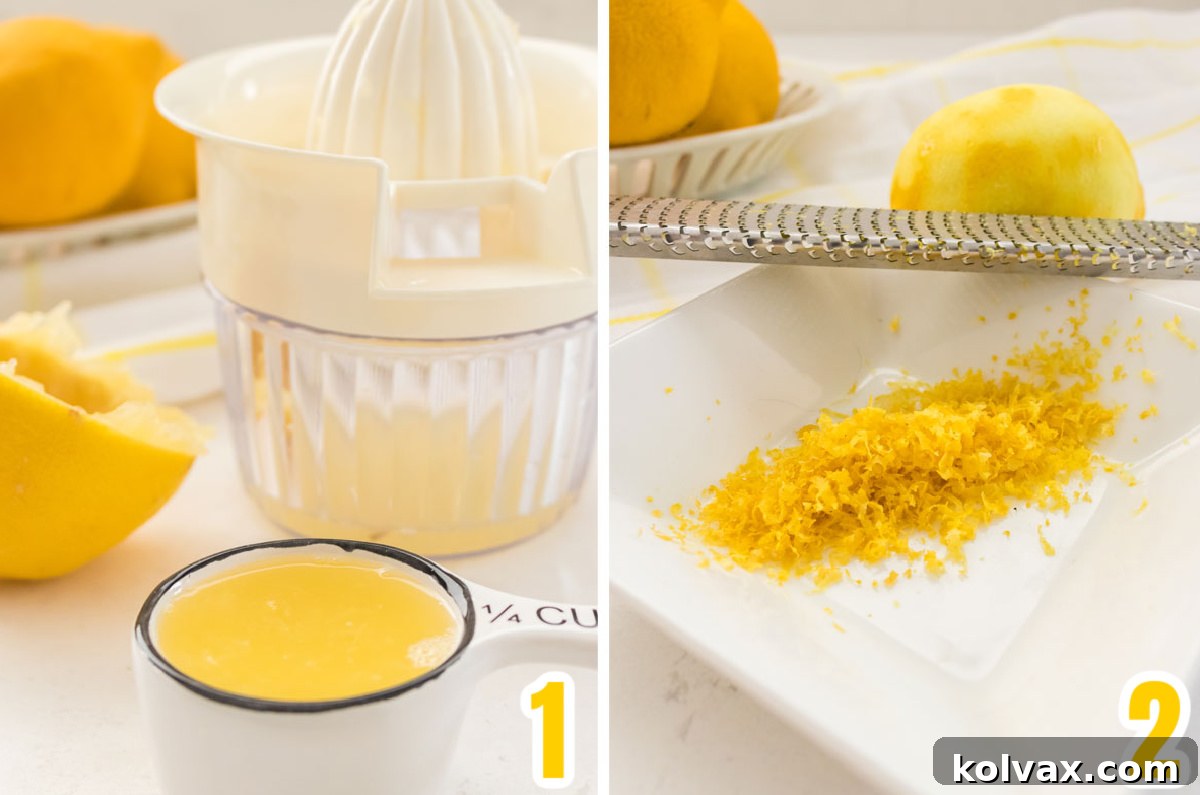
Prepare Your Lemons for Maximum Flavor: Begin by carefully zesting your lemon. Using a microplane or a fine grater, extract 1 heaping tablespoon of bright yellow lemon zest. Be meticulous to only get the outer yellow part of the rind and avoid the bitter white pith underneath, which can impart an undesirable taste. Once zested, cut the lemon in half and juice it to get 1/4 cup of fresh lemon juice. For most recipes, one large, ripe lemon will typically yield the required amounts of both zest and juice.
-
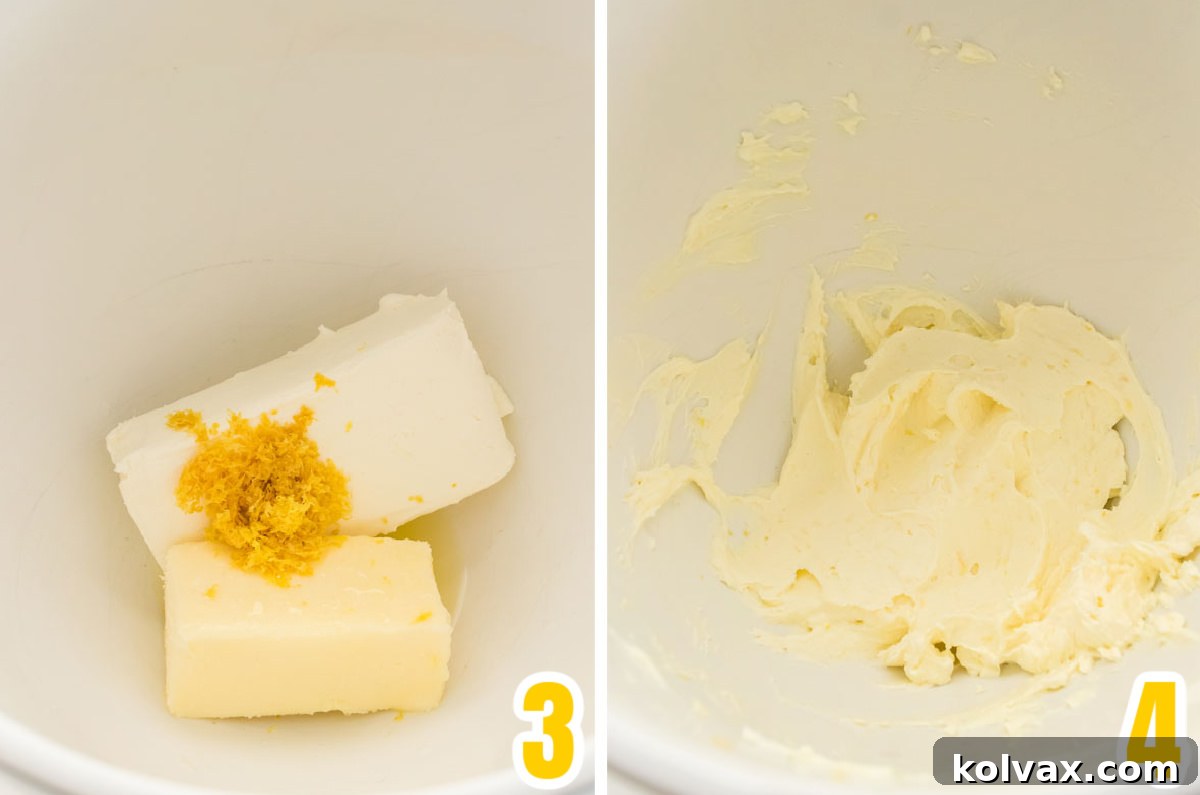
Cream the Base Ingredients: In the bowl of your stand mixer fitted with a paddle attachment (or a large mixing bowl with an electric hand mixer), add the slightly softened cream cheese, slightly softened butter, your freshly prepared lemon juice, and the fragrant lemon zest. The “slightly softened” consistency for both dairy products is incredibly important here; they should still be cool but pliable, which ensures they emulsify beautifully into a cohesive mixture without becoming overly warm and potentially separating or becoming soupy.
-
Mix Until Smooth and Combined: Beat these base ingredients together on medium speed for approximately 2 minutes. The primary objective at this stage is to thoroughly cream them, allowing their distinct flavors to meld into a harmonious and flavorful base. You might observe at the beginning of this process that the lemon juice seems to resist integration with the butter and cream cheese, appearing somewhat separated. This is perfectly normal! Continue mixing with patience, and it will eventually come together into a wonderfully smooth, emulsified mixture. Remember to stop the mixer periodically and use a rubber spatula to scrape down the sides and bottom of the bowl, ensuring all ingredients are fully incorporated and no pockets of unmixed butter or cream cheese remain.
-
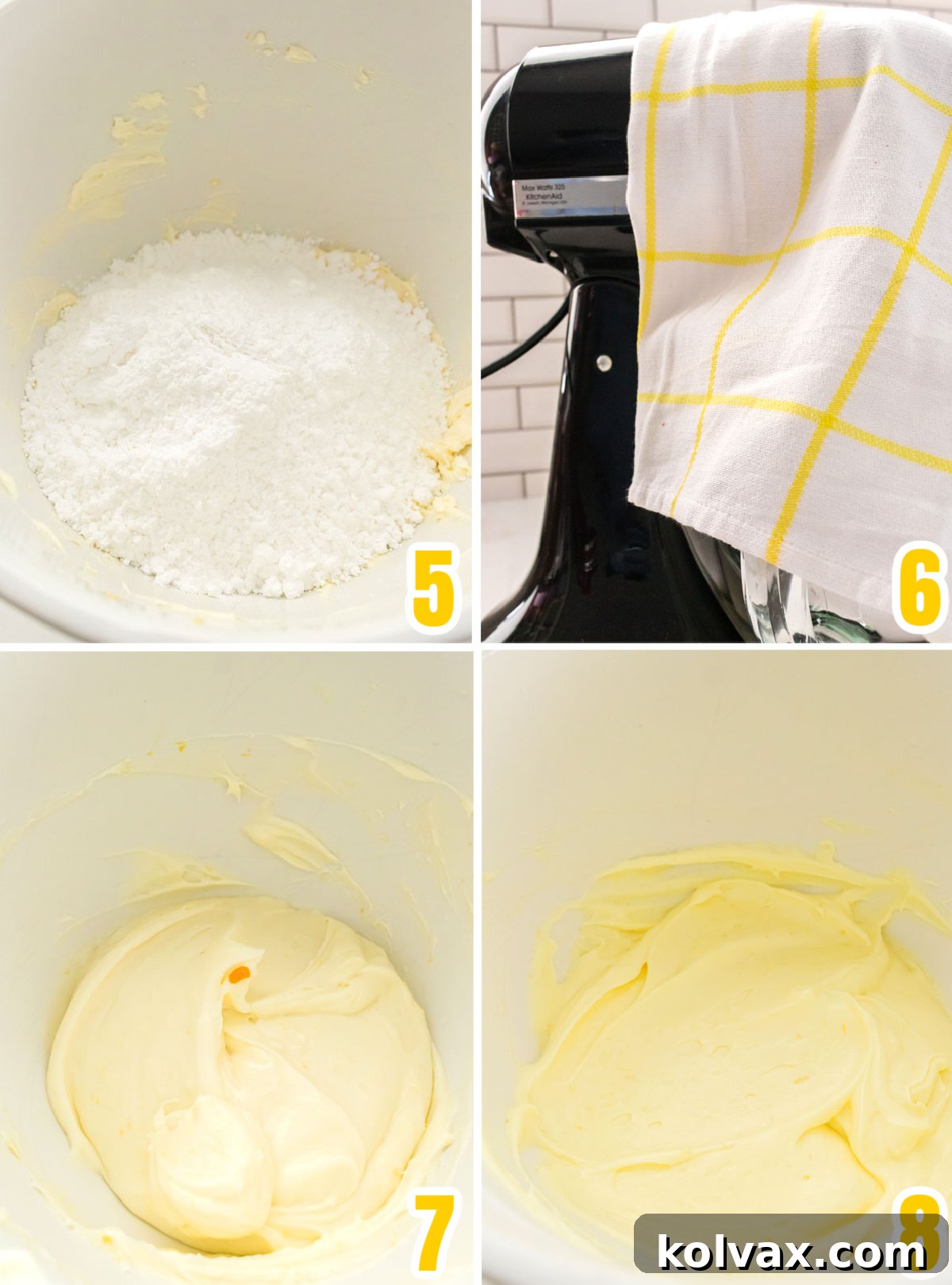
Introduce Powdered Sugar (and a Secret Tip!): Carefully measure out 5 cups of powdered sugar. While sifting powdered sugar is an option, especially if it’s very lumpy, it’s not always strictly necessary. A handy trick to manage minor lumps and prevent a dusty kitchen is to first mix the powdered sugar on its own on a very low speed for about 30 seconds to break up any larger clumps. Then, for the “Two Sisters Tip,” drape a clean kitchen towel over your mixer during the initial sugar incorporation phase. This simple yet effective method helps contain the powdered sugar and prevents it from flying out of the mixer bowl, saving you from a messy cleanup.
-
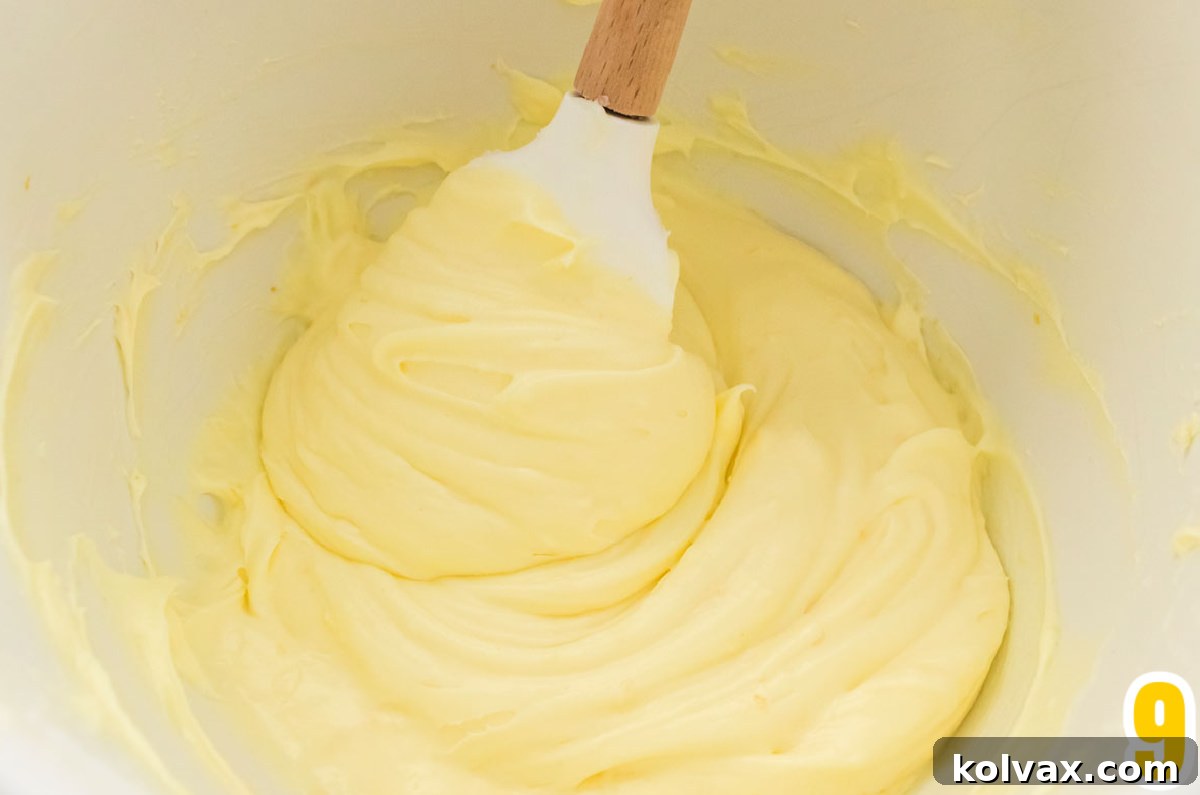
Achieve Light and Fluffy Perfection: Once the powdered sugar is ready, start your mixer (or electric beater) on the lowest setting. Gradually add the powdered sugar to the creamed butter and cream cheese mixture, continuing to mix on low speed until the sugar is just incorporated (this usually takes about 30 seconds). This gentle start is key to preventing a sugar cloud. After the initial incorporation, stop the mixer and scrape down the sides and bottom of the bowl one more time to ensure everything is well combined. Then, increase the mixer speed to medium-high and continue mixing for another 30-45 seconds. This final burst of mixing will whip air into the frosting, making it wonderfully light, fluffy, and smooth. The fresh lemon ingredients will naturally impart a subtle, pale yellow hue to your frosting. If you desire a more vibrant “lemony” appearance, you can add a tiny drop of yellow food coloring at this stage and mix until uniformly combined.
-
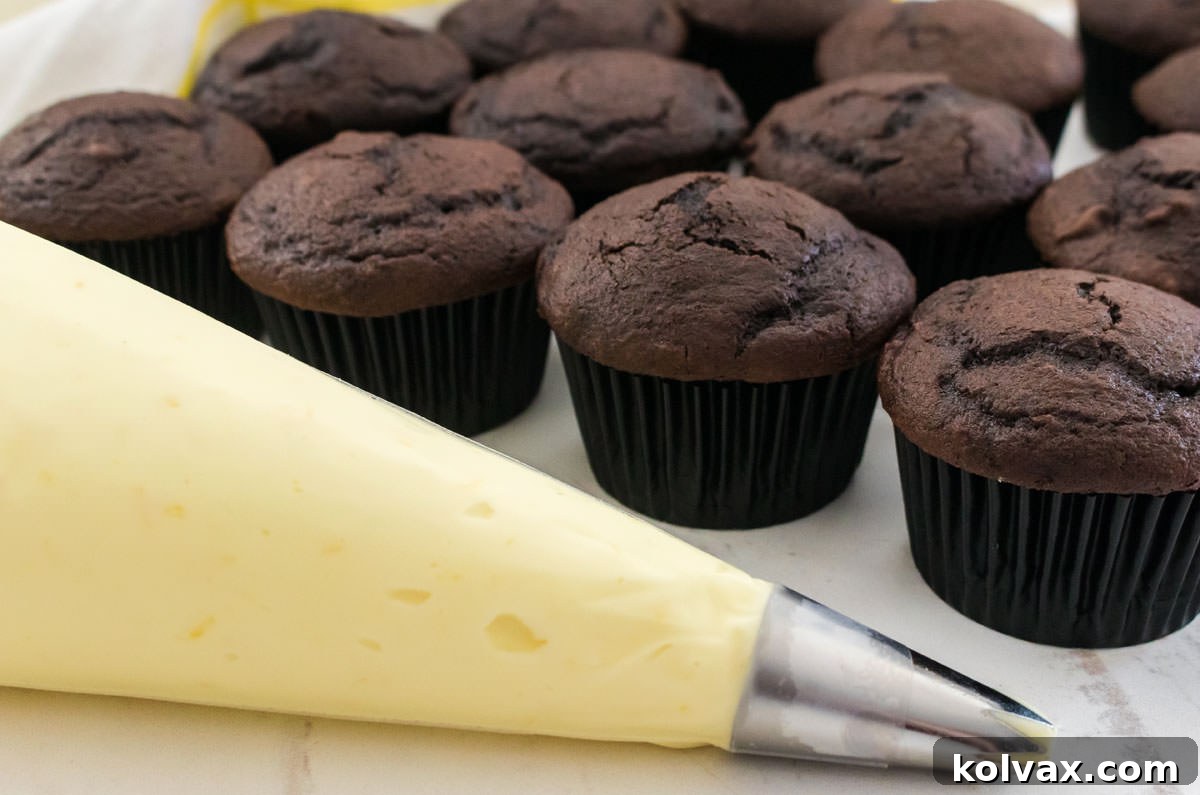
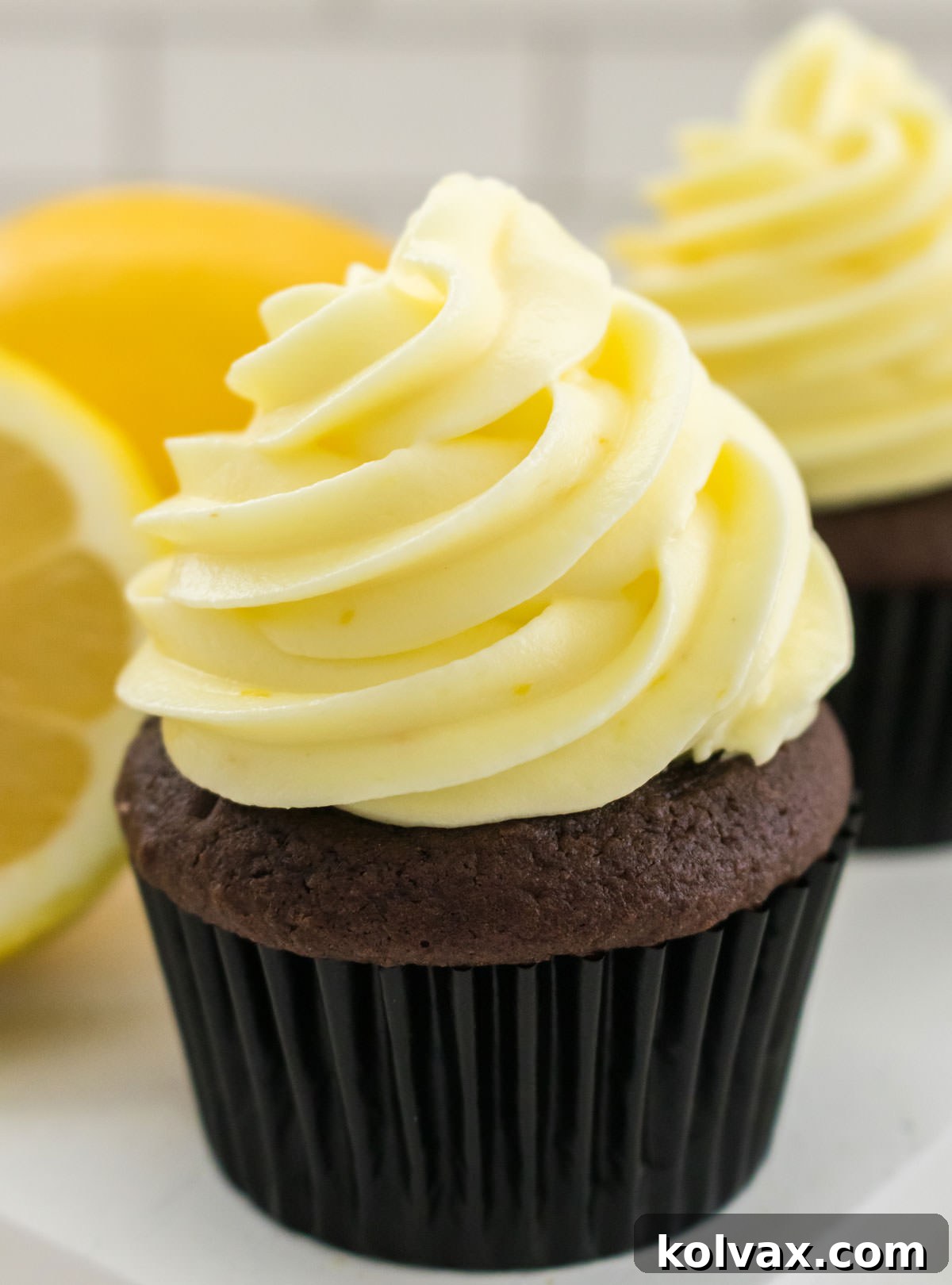
The Crucial Taste Test & Essential Chilling: Now comes the most delightful part – tasting your masterpiece! Take a small spoonful and evaluate both its flavor and consistency. Does it have enough bright lemon zing, or could it benefit from a touch more lemon zest (added gradually, mixing after each addition)? Is it too thin or too thick for your intended use? Remember, cream cheese frosting is inherently softer and thinner than many buttercream varieties; it won’t typically “crust” up or hold extremely intricate decorative shapes like stiff piping. However, as our photos illustrate, it holds beautiful swirls on cupcakes and elegant finishes on cakes.
Before you begin frosting your baked goods, it is absolutely essential to chill the frosting. Transfer it to an airtight container and refrigerate for at least one hour. This chilling period allows the butter and cream cheese to firm up, significantly enhancing the frosting’s stability and making it much easier to pipe or spread. Moreover, and perhaps most importantly, the lemon flavor will deepen and develop significantly during this time, becoming even more pronounced and delicious. For the most optimal and intensely flavored frosting, we highly recommend refrigerating your lemon cream cheese frosting for several hours, or even overnight, before serving. This patience will be richly rewarded with an intensely flavored and perfectly set frosting.
Serving Suggestions: Elevate Your Desserts with Lemon Cream Cheese Frosting
Once your irresistible lemon cream cheese frosting is perfectly chilled and ready, it’s time to adorn your favorite baked goods! This versatile frosting pairs beautifully with a wide array of treats, adding a bright, creamy, and tangy finish that will impress any dessert lover. Here are some ideas and guidelines for how much this generous recipe yields:
- Cakes: This recipe makes enough luscious frosting to generously cover a standard 9″ x 13″ sheet cake, ensuring every slice is perfectly topped. It also provides ample frosting to beautifully adorn a two-layer 8″ round cake, allowing for both filling and an elegant exterior finish. The slightly softer consistency of cream cheese frosting is perfect for creating smooth, rustic, or even artfully swirled finishes.
- Cupcakes: If you’re frosting cupcakes, the yield can vary based on your application method and desired aesthetic. Using a knife or an offset spatula for a simpler, rustic swirl will typically allow you to frost approximately 24 standard-sized cupcakes. For a more elaborate and impressive swirl using a pastry bag and a decorative tip, you’ll generally be able to frost between 15-18 cupcakes, depending on the size and height of your swirl. This allows for that bakery-style presentation.
- Beyond the Basics – Versatile Pairings: Don’t limit this spectacular frosting to just cakes and cupcakes! It’s absolutely divine on so many other desserts. Imagine it enhancing the flavor of soft lemon bars, classic cinnamon rolls, rich pumpkin bread, moist zucchini bread, spiced gingerbread, or even as a delightful, tangy dip for fresh berries, apple slices, or graham crackers. Its bright, creamy profile makes it a fantastic complement to various textures and flavors.
The refreshing lemon and rich cream cheese combination makes this frosting a fantastic choice for spring and summer celebrations, adding a touch of sunshine to your table. However, its comforting flavor and ability to pair with warming spices also make it a welcome treat any time of year.
Expert Tips & Frequently Asked Questions for Perfect Frosting
While you technically can substitute bottled lemon juice for fresh, and lemon extract can be used in other frosting recipes, we strongly advocate for using fresh lemons in this specific recipe. The unique combination of fresh lemon juice and delicate lemon zest provides an unparalleled depth of authentic, bright lemon flavor and aroma that simply cannot be replicated by artificial alternatives. If fresh lemons are absolutely unavailable, you can substitute 1/4 cup of good quality bottled lemon juice, but be aware the flavor will be less vibrant. For using lemon extract, we suggest adapting our Best Cream Cheese Frosting recipe by adding a small amount (start with 1/2 teaspoon and adjust to taste) of lemon extract during the creaming process of the butter and cream cheese, as the flavor profile will differ significantly without the natural zest.
If your lemon cream cheese frosting turns out too thin, there are a few potential culprits and straightforward solutions. Often, it means the butter and cream cheese may have gotten too warm or been overworked during mixing, causing the fats to soften excessively. First, try refrigerating the entire bowl of frosting for at least an hour. Chilling allows the fats to firm up, which frequently restores a workable, spreadable consistency. If, after chilling, it’s still too thin, you can carefully adjust its thickness by adding more powdered sugar or even a touch of cornstarch. Start by mixing in 1/2 cup of additional powdered sugar, or 1 tablespoon of cornstarch (which acts as a powerful thickener), mixing on low until combined, then briefly on medium-high to whip it. Assess the consistency and add more if needed, gradually, until your desired thickness is achieved. Be cautious not to add too much at once, as it can quickly become overly stiff.
Yes, absolutely! Due to the presence of perishable ingredients like fresh cream cheese and butter, this lemon cream cheese frosting is not shelf-stable and must be refrigerated. For optimal food safety and to maintain its delicious quality, avoid leaving it out at room temperature for more than two hours. On particularly warm days, this window is even shorter. Always store any unused frosting in an airtight container in the refrigerator. If you’ve frosted a cake or cupcakes, these also need to be refrigerated until shortly before serving to maintain freshness and prevent spoilage.
Proper storage is key to enjoying your homemade lemon cream cheese frosting for as long as possible. The shelf life of your frosting is directly tied to the expiration date of your cream cheese; it will be good for no longer than that date (typically 3-5 days after making if refrigerated). Store any leftover frosting in an airtight container in the refrigerator. For longer storage, you can freeze it! To prevent freezer burn, carefully wrap the frosting (either in a container with minimal air exposure or in a heavy-duty freezer bag), and it will remain delicious in the freezer for 3-4 months. When you’re ready to use it, simply thaw it in the refrigerator overnight, and then re-whip it briefly in your mixer to restore its original light, creamy texture.
Lumps in cream cheese frosting are usually caused by cold or improperly softened ingredients. If your cream cheese or butter is too cold when you start mixing, they won’t cream smoothly, leading to small, stubborn lumps. Ensure both are “slightly softened” as directed, allowing them to sit at room temperature for the recommended time. Another common culprit can be powdered sugar that hasn’t been adequately broken up or sifted, introducing lumps directly into the mixture. To fix minor lumps, continue mixing on medium-high speed for another minute or two, scraping down the bowl frequently. If lumps persist, you can sometimes gently warm the bowl over a bain-marie (a bowl set over a pot of simmering water, ensuring the bowl does not touch the water) for just a few seconds, then immediately re-mix, but be very careful not to melt the butter or cream cheese.
Absolutely! This lemon cream cheese frosting is an excellent candidate for making ahead, which can be a real time-saver when preparing for an event. In fact, preparing it in advance and allowing it to chill in the refrigerator actually enhances its flavor development and firms up its consistency, making it even easier to work with. Prepare the frosting as directed, then transfer it to an airtight container and store it in the refrigerator for up to 3-5 days. When you’re ready to use it, let it sit at room temperature for about 30 minutes to an hour until it’s slightly softened. Then, re-whip it briefly in your stand mixer or with an electric hand mixer for a minute or two until it’s light, fluffy, and smooth again, ready for piping or spreading.
Other Delicious Homemade Frosting Recipes You Will Love
If you’ve enjoyed making and tasting this incredible lemon cream cheese frosting, you’re in for a treat with our other homemade frosting masterpieces. Explore these delightful recipes to find your next favorite sweet topping and expand your baking repertoire:
- The Best Lemon Buttercream Frosting: A classic, rich buttercream with a vibrant lemon kick – perfect for those who adore traditional buttercream with a citrus twist.
- The Best Lemon Whipped Cream Frosting: Light, airy, and bursting with fresh lemon flavor – an ideal choice for lighter desserts or when you want a less indulgent topping.
- The Best Strawberry Buttercream Frosting: A fruity, delightful frosting that tastes like fresh strawberries, bringing a burst of berry sweetness to any cake or cupcake.
- The Best Cream Cheese Frosting: Our foundational, perfectly balanced classic cream cheese frosting recipe, ideal for any dessert that calls for this beloved tangy-sweet topping.
Made this irresistible recipe? We’d love to hear from you! Leave a review below and don’t forget to snap a picture and tag us @twosisterscrafting on Instagram. We love seeing your delicious creations!
For more fantastic recipes, expert baking tips, and crafting inspiration, make sure to follow us on Tiktok, Pinterest, Facebook, and Instagram!
The Best Lemon Cream Cheese Frosting: Quick Recipe Summary
A vibrant, tangy, and incredibly creamy frosting featuring fresh lemon and rich cream cheese. This easy-to-make icing is perfect for cakes, cupcakes, and a variety of desserts, offering a delightful balance of sweet and tart.
Approximately 2 1/2 cups
10 minutes
10 minutes (plus chilling time for best results)
American
Frosting
Ingredients
- 1/2 cup Unsalted Butter, slightly softened
- 8 oz. Full-Fat Cream Cheese, slightly softened
- 1/4 cup Fresh Lemon Juice
- 1 heaping tablespoon Fresh Lemon Zest
- 5 cups Powdered Sugar (Confectioners’ Sugar)
Instructions (Concise Overview)
- Zest one large lemon for 1 heaping tablespoon, then juice it for 1/4 cup of fresh lemon juice.
- In a mixer, combine slightly softened butter, cream cheese, lemon juice, and lemon zest.
- Beat on medium speed for about 2 minutes until thoroughly creamed and smooth, scraping down the bowl as needed to ensure full incorporation.
- Gradually add 5 cups of powdered sugar on the lowest speed to prevent scattering, then increase to medium-high for 30-45 seconds until the frosting is light and fluffy.
- Taste the frosting and adjust flavor or consistency if necessary (e.g., add a bit more zest for extra tang, or more powdered sugar for a thicker texture).
- Refrigerate the frosting for at least 1 hour (ideally several hours or overnight) before using. This chilling time helps to firm up the frosting and allows the vibrant lemon flavors to deepen beautifully.