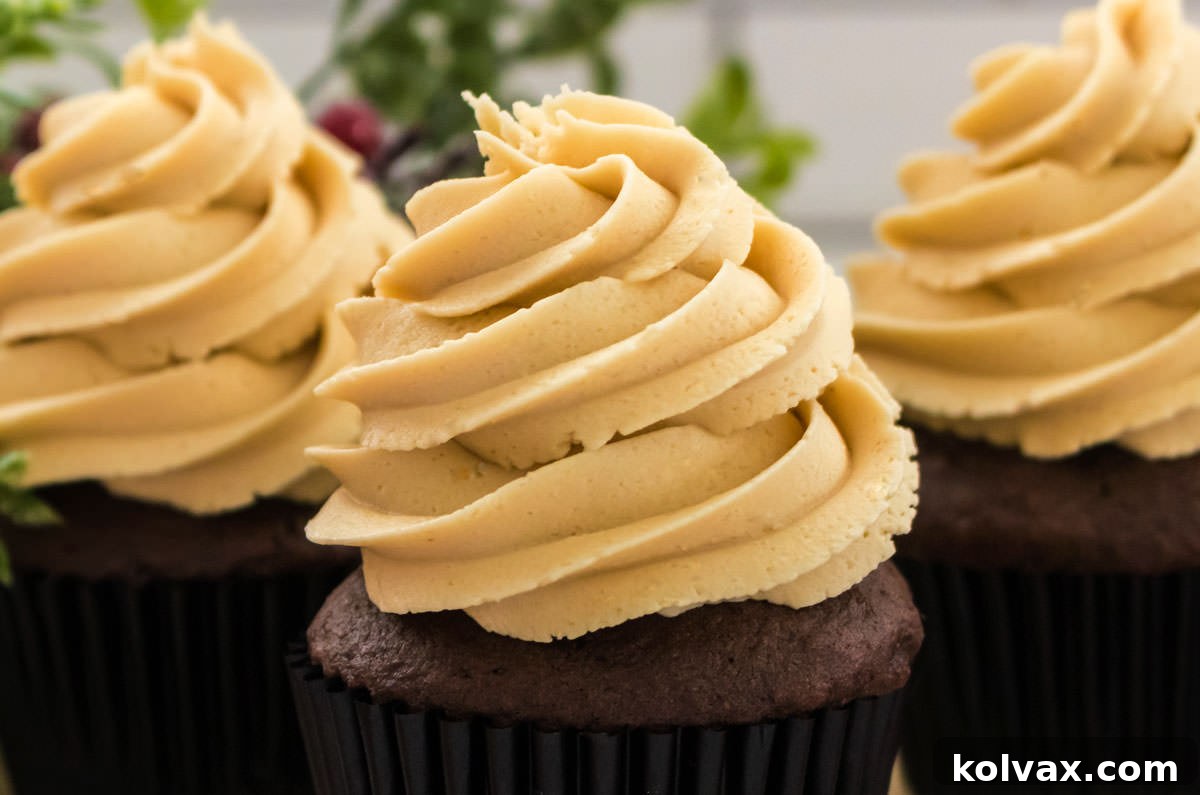
Welcome to the definitive guide for crafting the most exquisite Gingerbread Buttercream Frosting! This isn’t just any frosting; it’s a creamy, dreamy confection infused with the quintessential festive flavors of Christmas gingerbread, designed to transform your holiday desserts into unforgettable culinary masterpieces. Prepare to elevate everything from humble cupcakes to grand celebration cakes with this irresistible, spiced delight.
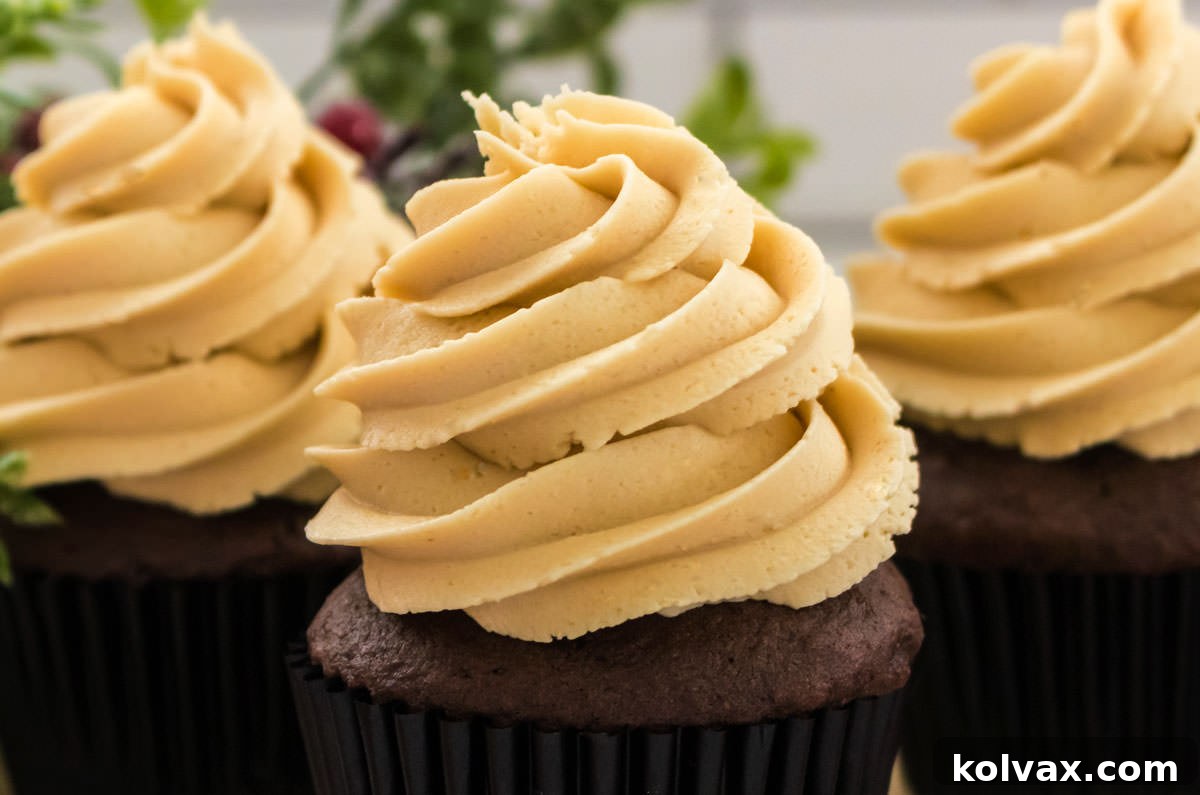
The holiday season abounds with an array of delightful flavors – the cool kiss of peppermint, the rich comfort of eggnog, and the sweet simplicity of sugar cookies. Yet, for many, the warm, spicy embrace of gingerbread stands unparalleled as the true taste of Christmas. It’s a flavor that evokes nostalgic memories, cozy evenings by the fire, and the joyous spirit of togetherness. We adore it in every form: from moist gingerbread cake, to chewy gingerbread crinkle cookies, and even decadent gingerbread cupcakes. But let’s not overlook the crowning glory of any dessert: the frosting! Our Best Gingerbread Buttercream Frosting takes our already beloved Best Buttercream Frosting recipe and infuses it with the deep, creamy, and distinctively spiced essence of gingerbread. It’s a sensationally delicious topping that we guarantee will be a star feature on your Christmas dessert table this year, adding a layer of seasonal magic to every bite. Get ready to impress your family and friends with this simple yet incredibly flavorful homemade frosting.
The Magic of Gingerbread Flavor for the Holidays
Gingerbread is more than just a flavor; it’s a feeling. Its unique blend of spices—primarily ginger, molasses, and often cinnamon, cloves, and nutmeg—creates a warmth and depth that is synonymous with the festive season. This frosting captures that very essence, bringing together the comforting sweetness of buttercream with the distinctive, aromatic kick of gingerbread. It’s a flavor profile that transports you straight to a winter wonderland, making every dessert feel extra special and celebratory. The rich, dark sweetness of molasses combined with the zesty heat of ground ginger creates a harmonious balance that is both sophisticated and incredibly comforting. Whether you’re topping classic gingerbread treats or adding a holiday twist to a plain vanilla cake, this frosting is your secret weapon for infusing your baked goods with unparalleled holiday cheer.
How to Make The Best Gingerbread Buttercream Frosting
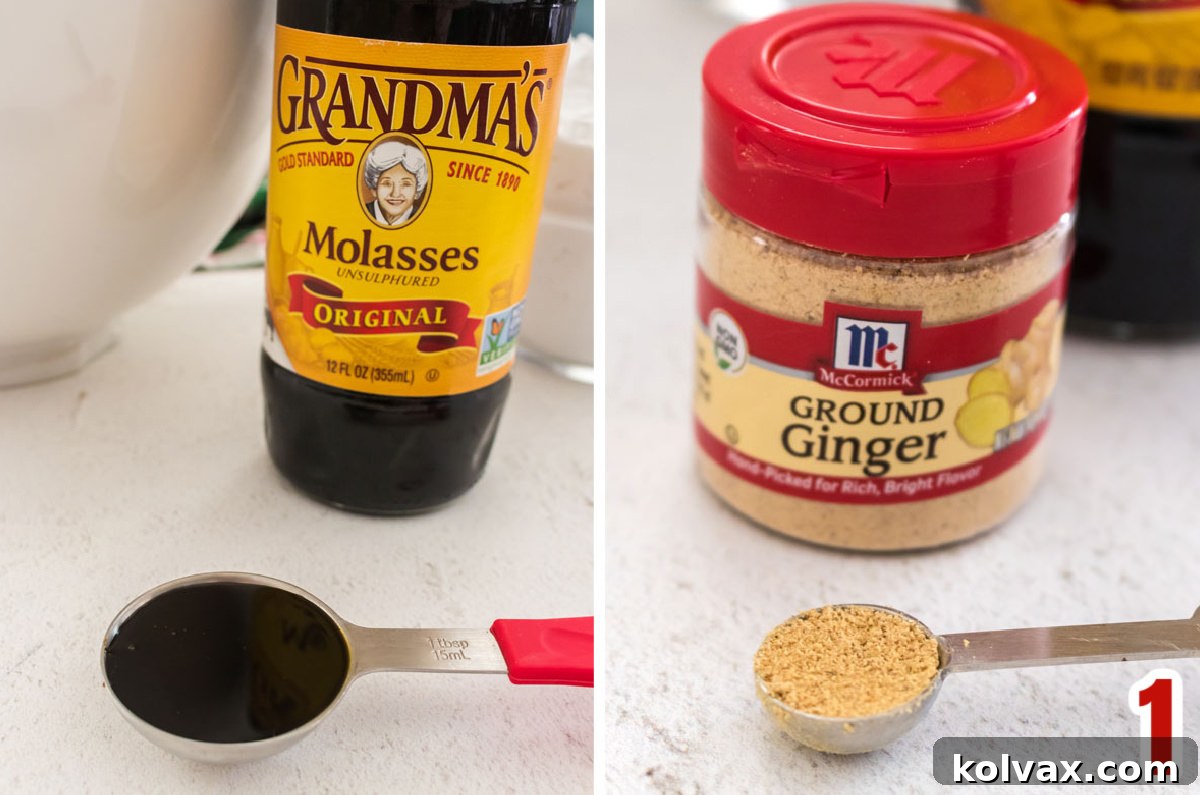
Creating this delicious, Christmas-themed frosting is a straightforward process, relying on a few key ingredients to achieve its signature gingerbread flavor. The star components, molasses and ground ginger, are what give this buttercream its distinctive, irresistible taste and festive aroma. Let’s walk through each step to ensure you achieve perfect results.
Step 1: Preparing Your Butter for Optimal Texture
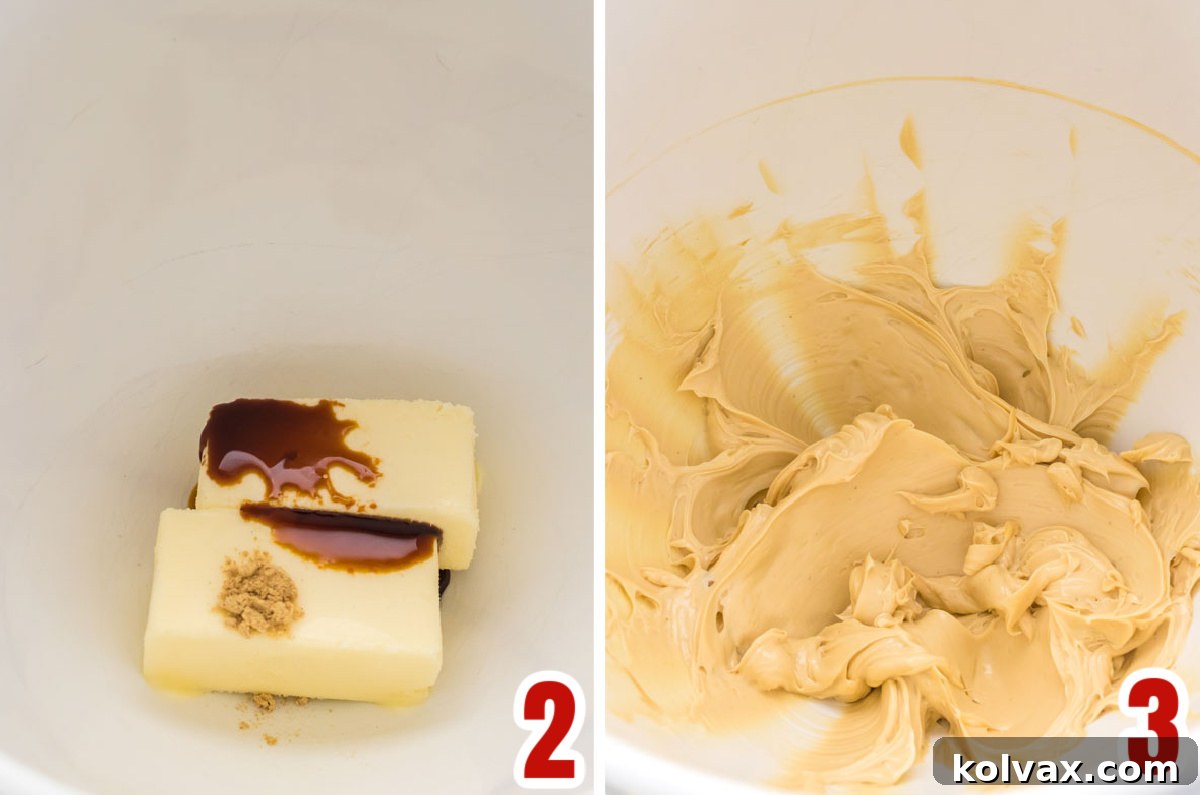
Begin by adding the butter, molasses, and ground ginger to a spacious mixing bowl. The consistency of your butter is paramount for perfect buttercream. We recommend using “slightly softened” butter – this is crucial. It should be pliable enough to indent with a finger but still hold its shape, sitting somewhere between straight from the refrigerator and fully at room temperature. If your butter is too cold, it will be challenging to thoroughly incorporate it with the molasses and ginger, leading to a lumpy texture. Conversely, if the butter is too soft or melted, it will lose its structure during the mixing process, resulting in a thin, greasy, and unmanageable frosting consistency. Aim for that perfect middle ground for the best results.
Step 2: Infusing the Gingerbread Essence
With your butter at the ideal consistency, mix the butter, molasses, and ground ginger together on medium speed for approximately 2 minutes, or until they are thoroughly combined. The goal here is to allow the rich, deep flavors of molasses and the vibrant warmth of ginger to completely meld with the butter. This initial mixing step is vital for developing the full, enhanced gingerbread flavor that will shine through in your finished frosting. Take your time here to ensure a uniform mixture. Don’t forget to use a spatula to periodically scrape down the butter mixture from the sides of the bowl, ensuring all ingredients are evenly incorporated.
Step 3: Incorporating the Powdered Sugar for Smoothness
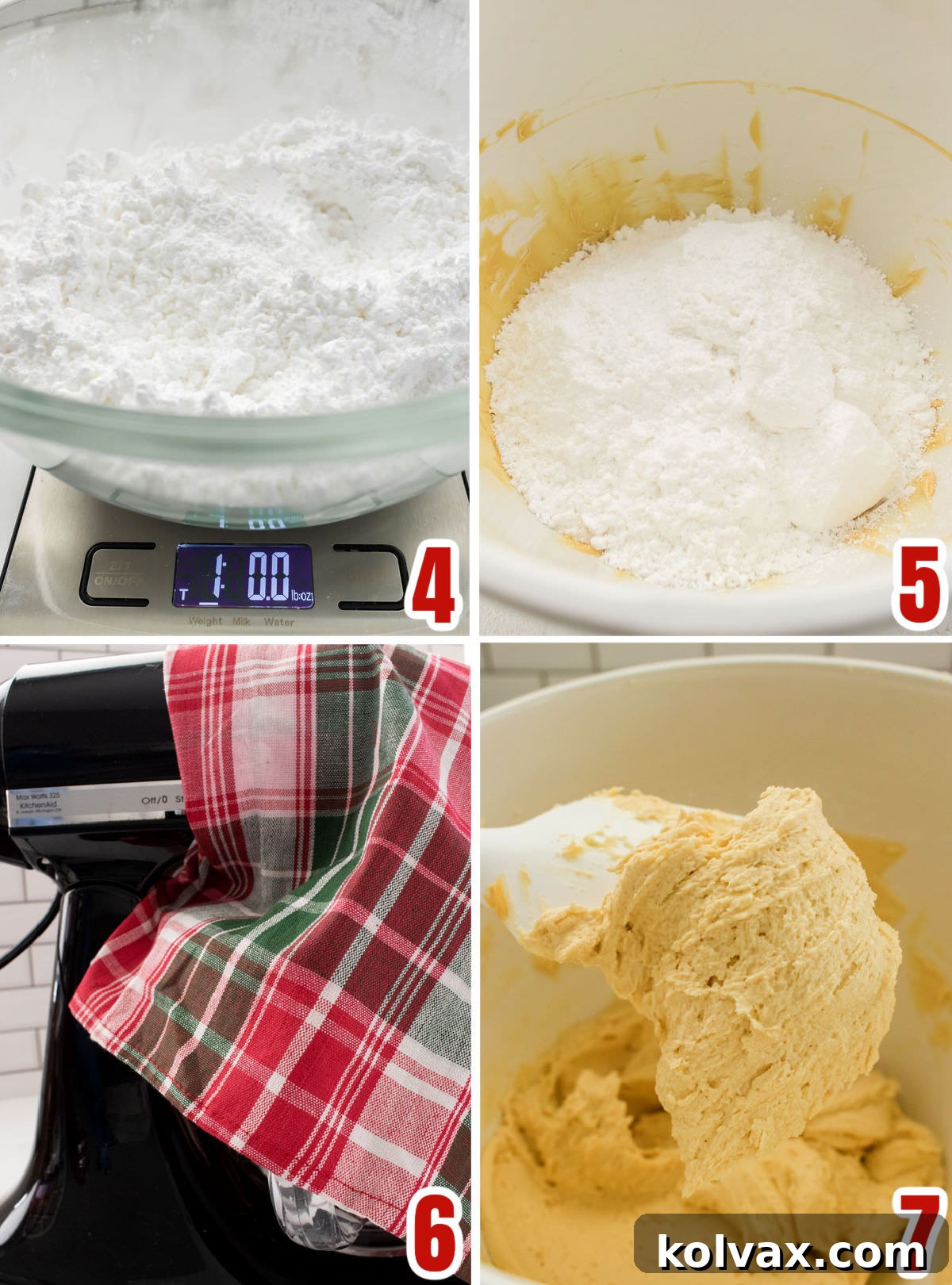
For precision, we highly recommend using a food scale to measure out 1 pound of powdered sugar. If a food scale isn’t available, an equivalent measurement is 4 cups. For this recipe, we typically bypass sifting the powdered sugar; our powerful mixer usually does an excellent job of breaking down any lumps, saving you an extra step and cleanup.
Step 4: The Powdered Sugar Addition Technique
Carefully add the measured powdered sugar to the butter mixture in the mixing bowl. Here’s a tried-and-true tip: cover your mixer with a clean kitchen towel during the initial stage of mixing. This simple trick prevents a cloud of powdered sugar from erupting and spreading across your kitchen, making cleanup much easier.
Step 5: Achieving Light and Fluffy Perfection
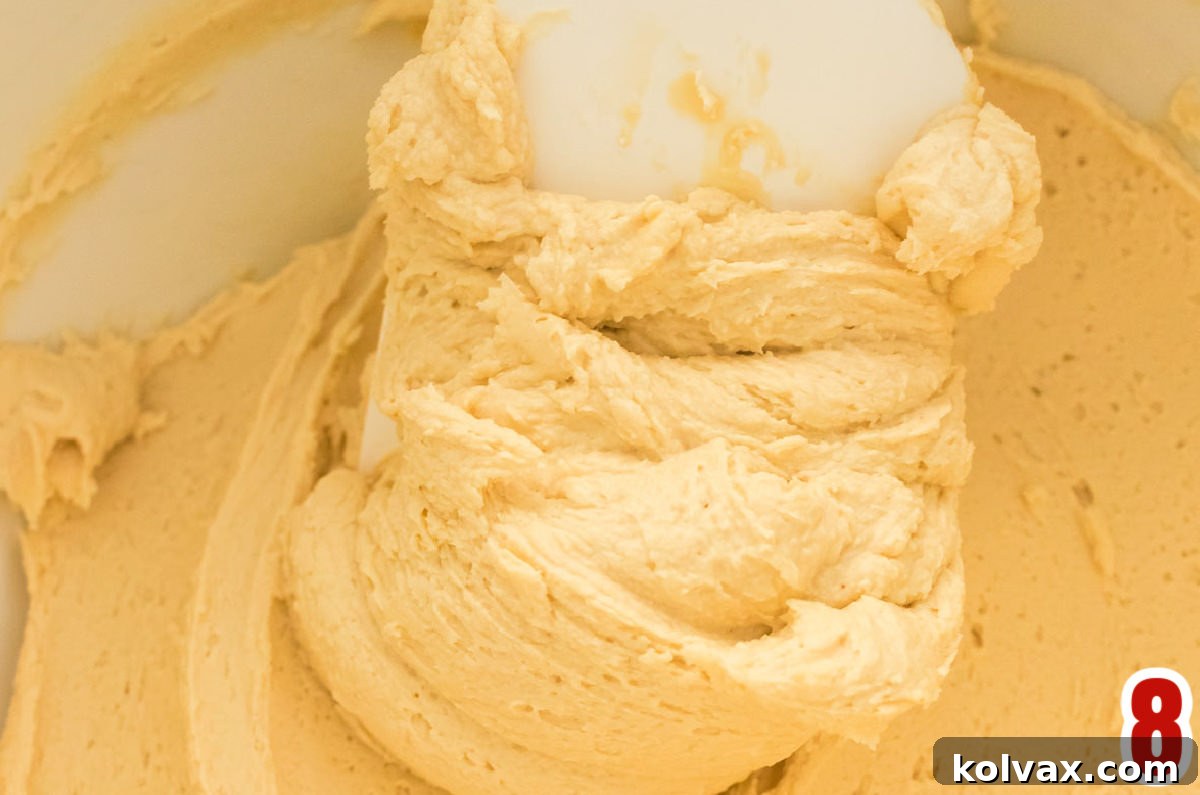
Start your mixer (or electric hand beater) on the lowest setting. Keep it on low speed until the powdered sugar and butter are just incorporated, which should take about 30 seconds. This slow start helps prevent the sugar from flying everywhere. Once combined, stop the mixer and scrape down the sides and bottom of the bowl thoroughly to catch any unmixed ingredients. Then, increase the speed to medium-high and continue mixing for another 30-45 seconds. This crucial step aerates the frosting, transforming it into a wonderfully light, fluffy, and creamy consistency, ready for piping or spreading.
Step 6: Final Adjustments – Taste and Consistency
This is arguably the most enjoyable part of the recipe: tasting your freshly made frosting! You’re evaluating two key elements: flavor balance and consistency. Does it have that perfect punch of gingerbread? If you desire a stronger spice profile, consider adding a tiny bit more ground ginger or a touch more molasses, mixing well after each addition to test. Once the flavor is just right, assess the consistency. Is it too thick for your intended use? If so, gradually add milk, one teaspoon at a time, mixing thoroughly after each addition until your desired consistency is achieved. The amount of milk needed can vary based on factors like butter temperature and even ambient humidity. On a hot, humid day, you might need little to no milk at all. Always err on the side of caution and add sparingly. For more detailed advice on achieving the perfect batch of frosting, explore our comprehensive FAQ section below.
How to Serve and Utilize Your Gingerbread Buttercream
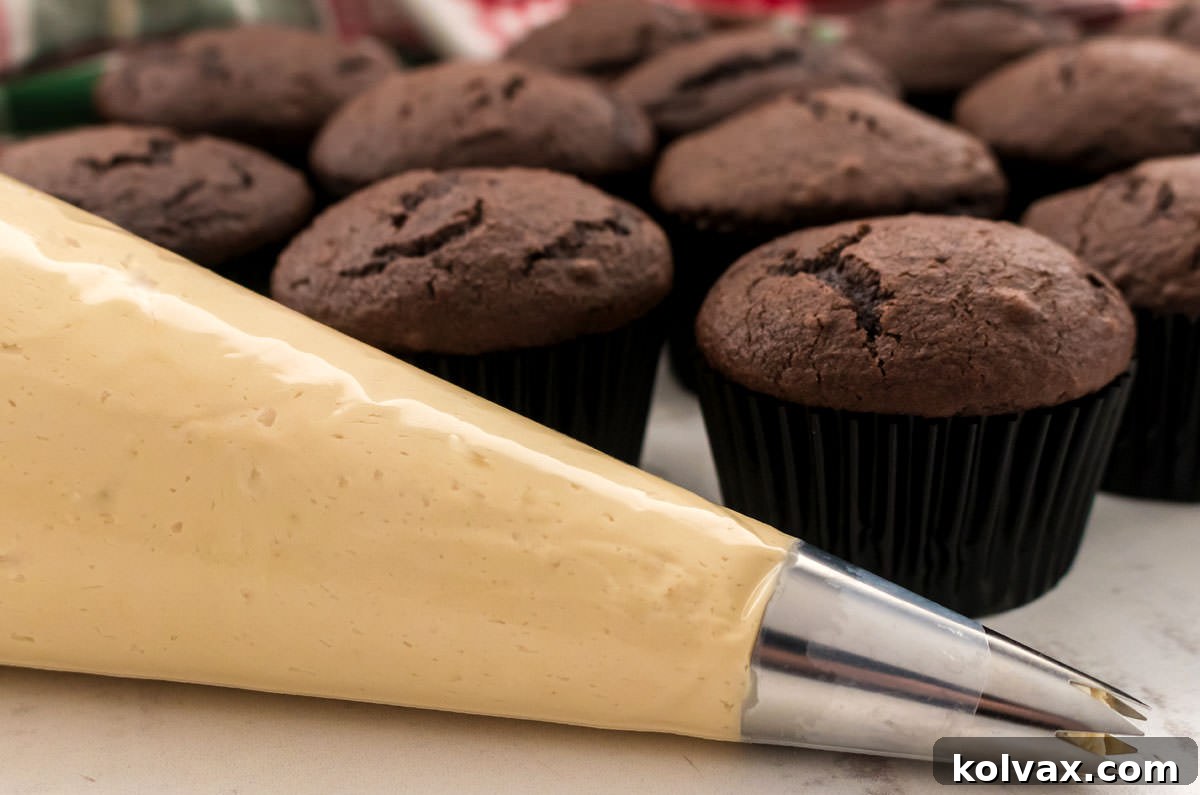
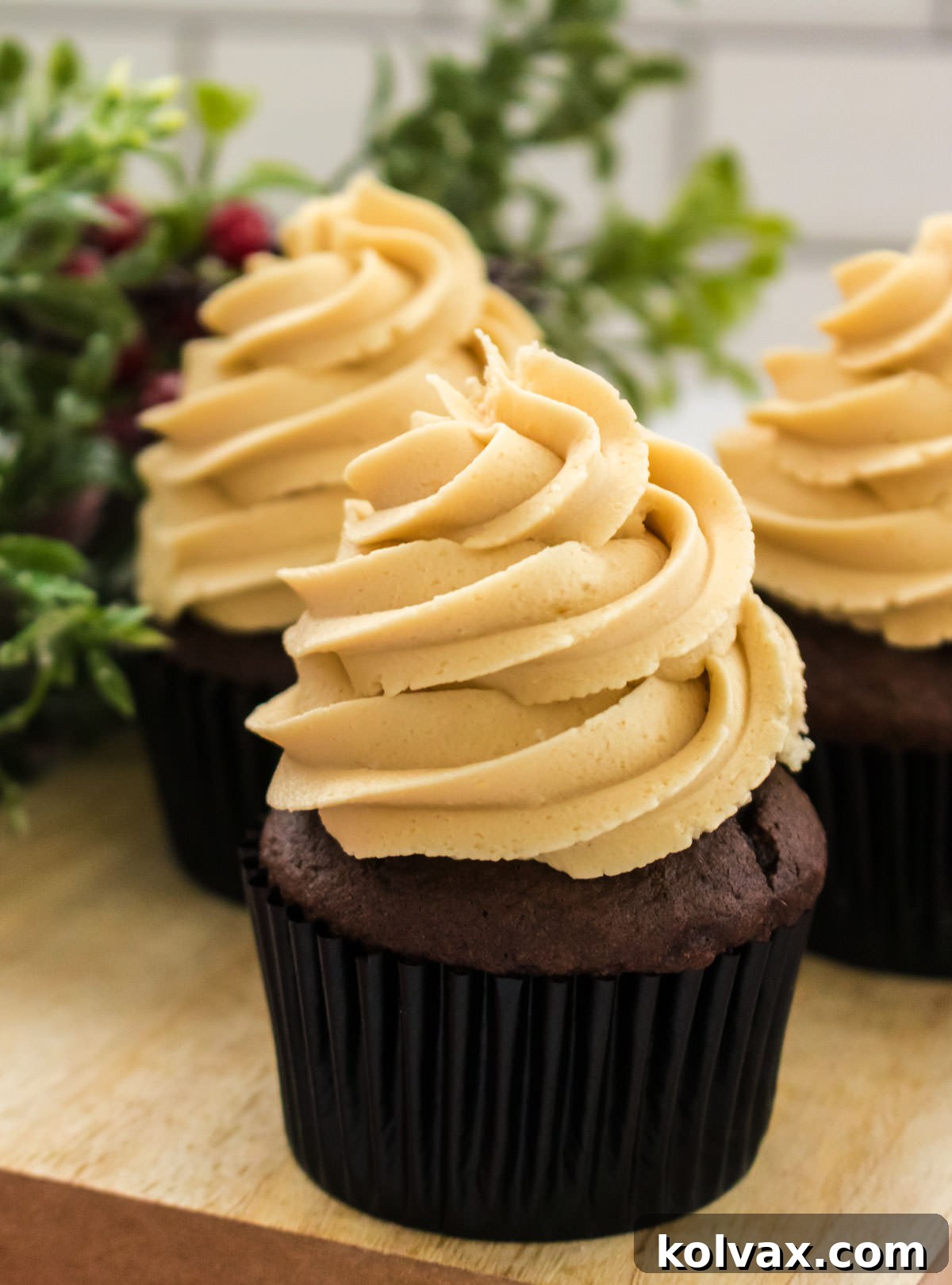
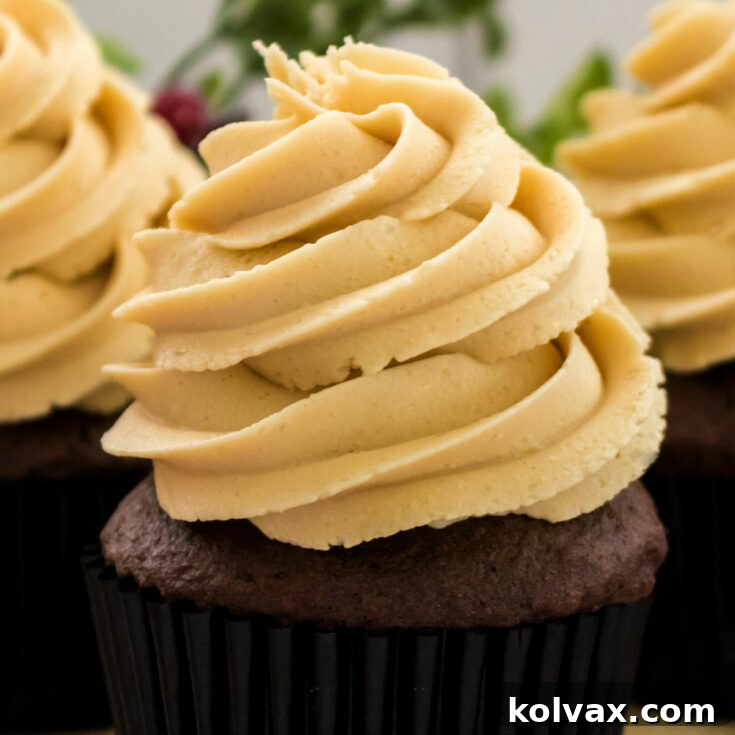
Understanding how much frosting you’ll need is key for your holiday baking plans. The yield always depends on how generously you apply the frosting and the intricacy of your decorations. However, our recipe is designed to produce a substantial amount, typically enough Gingerbread Frosting to beautifully cover a standard 9″ x 13″ sheet cake, or a lovely two-layer 8″ round cake. For cupcakes, this recipe is incredibly versatile. If you prefer to apply the frosting with a knife for a smooth, classic finish, you should be able to frost approximately 24 cupcakes. If you’re a fan of elegant swirls and decorative piping using a pastry bag, expect to frost around 15-18 cupcakes, depending on the size and height of your swirls. This Gingerbread Buttercream is not just for traditional cakes and cupcakes; consider it for topping gingerbread cookies, spreading on sugar cookies, or even as a filling for whoopie pies. Its rich, spiced flavor makes it a fantastic accompaniment to chocolate, vanilla, and, of course, gingerbread flavored baked goods.
Expert Tips and FAQ’s for Perfect Gingerbread Buttercream
Generally, no, this buttercream frosting does not strictly require refrigeration immediately after preparation or once applied to desserts. For instance, brownies frosted with this Gingerbread Icing can safely be left out on the counter for 2-3 days, provided the pan is tightly covered with aluminum foil or plastic wrap to maintain freshness. However, for extending the shelf life of the baked goods themselves and to ensure optimal flavor, we often choose to refrigerate frosted items. We find that frosting tastes best at room temperature, so if you do refrigerate your desserts, remember to remove them a couple of hours before serving to allow the frosting to soften and reach its ideal texture and flavor.
Proper storage ensures your delicious frosting remains fresh for future use. Leftover Gingerbread Buttercream, when stored in an airtight container, will keep beautifully in the refrigerator for up to one week. For longer preservation, this frosting freezes exceptionally well. Carefully wrap the frosting (e.g., in plastic wrap within an airtight container or freezer bag) to prevent freezer burn, and it will remain good in the freezer for 3-4 months. When ready to use, thaw in the refrigerator overnight and re-whip briefly to restore its fluffy texture.
If your frosting is too stiff or thick to work with, don’t despair! This is a common and easily fixable issue. Simply add another teaspoon of milk (or your preferred liquid, like cream or almond milk) to the frosting and mix again on low speed until fully incorporated. Continue adding milk, one teaspoon at a time, mixing between each addition, until the frosting reaches your desired spreadable or piping consistency. Remember, a little goes a long way, so add gradually.
A thin or runny frosting can be frustrating, but it’s often due to temperature. Overworked or overly soft butter can lead to a thin consistency. The first course of action is to chill the frosting: place the mixing bowl in the refrigerator for about an hour. After chilling, re-whip the frosting to see if it has firmed up. If it’s still too thin, your next step is to add more bulk. You can try adding either 1/2 cup of powdered sugar or 1 tablespoon of cornstarch (cornstarch provides structure without adding excessive sweetness). Add your chosen thickener, mix again, and re-evaluate the consistency. Repeat if necessary until it reaches the desired thickness.
Absolutely! While milk is a classic choice, several other liquids can be used to adjust the consistency and even subtly enhance the flavor of your gingerbread frosting. You can successfully use Half & Half for a richer frosting, whipping cream for an even creamier texture, or dairy-free alternatives such as almond milk, soy milk, or oat milk if you’re catering to dietary restrictions. Ensure whichever substitute you choose is unsweetened if you want to maintain the intended sweetness level.
Other Festive Frosting Recipes You Will Love
If you’ve fallen in love with the homemade goodness of this Gingerbread Buttercream, you’re in for a treat! Our collection of frosting recipes is brimming with other unique and seasonal flavors perfect for any celebration. Explore these delightful options to expand your baking repertoire and add a touch of gourmet flair to all your desserts:
- The Best Eggnog Buttercream Frosting: Capture the creamy, spiced essence of holiday eggnog in a luscious frosting, perfect for festive cakes and cookies.
- The Best Butter Rum Buttercream Frosting: Indulge in the rich, warm notes of butter rum, a sophisticated and comforting flavor that pairs wonderfully with a variety of baked goods.
- The Best Peppermint Buttercream Frosting: A refreshing and vibrant frosting, offering a cool burst of peppermint that’s ideal for chocolate desserts and winter festivities.
- The Best Champagne Buttercream Frosting: Add a touch of elegance and celebratory sparkle with this delicate and sophisticated champagne-infused buttercream, perfect for New Year’s or special occasions.
Did you whip up this fantastic Gingerbread Buttercream? We’d absolutely love to hear from you! Please leave a review below to share your experience, then snap a dazzling picture of your frosted creations and tag @twosisterscrafting on Instagram so we can admire your festive treats!
And don’t miss out on more delicious recipes and crafting ideas – be sure to follow us on Tiktok, Pinterest, Facebook, and Instagram!
Step-by-Step Video Tutorial
 Print Recipe
The Best Gingerbread Buttercream Frosting
Approx. 2 1/2 cups
10 minutes
10 minutes
This Gingerbread Buttercream Frosting is a wonderfully creamy and spiced icing, perfectly embodying the festive flavors of Christmas. An ideal topping for a wide array of holiday desserts!
Ingredients
- 1 cup (2 sticks) Butter, slightly softened (we recommend Salted Sweet Cream Butter for best flavor)
- 1 tablespoon Molasses (dark or light, depending on desired intensity)
- 1/4 teaspoon Ground Ginger (or more to taste for extra spice)
- 1 pound (approx. 4 cups) Powdered Sugar
- 1-2 tablespoons Milk (whole milk or preferred alternative, as needed for consistency)
Instructions
- In a large mixing bowl, combine the slightly softened butter, molasses, and ground ginger. Ensure the butter is not too cold or too warm for optimal mixing.
- Mix on medium speed for about 2 minutes, until the butter and gingerbread flavors are thoroughly combined and smooth.
- Scrape down the sides of the bowl with a spatula to ensure all ingredients are well incorporated.
- Add the powdered sugar to the butter mixture. If using a food scale, measure 1 pound; otherwise, use 4 cups.
- Cover the mixer with a towel and start mixing on the lowest setting until the sugar is just incorporated into the butter (about 30 seconds). This prevents sugar from flying out.
- Scrape down the sides of the bowl again. Increase the mixer speed to medium-high and beat for another 30-45 seconds until the frosting is light and fluffy.
- Taste your frosting and assess its consistency. If it’s too thick, add milk one teaspoon at a time, mixing after each addition, until the desired consistency is reached. Adjust gingerbread flavor with more ginger or molasses if preferred.
Made this wonderful recipe? Leave a review below, then capture a photo and tag @twosisterscrafting on Instagram! We love seeing your creations!
If you’re eager to master the art of homemade frosting and perfect your baking skills, we have a wealth of additional tips and tricks to share. Dive into these helpful posts to ensure every batch of frosting you make is a resounding success:
- Two Sisters’ Frosting Tips and Tricks: Your ultimate guide to troubleshooting common frosting issues and achieving flawless results every time.
- How to Frost the Perfect Cupcake: Learn expert techniques for creating beautifully piped or smoothly spread cupcakes that look as good as they taste.
- Five Ways to Decorate a Cupcake: Get creative inspiration for transforming simple cupcakes into edible works of art with various decorating methods.
- Frosting Color Guide: Discover how to achieve vibrant and consistent colors in your frosting, perfect for any theme or occasion.
- Working with Cake Mixes: Elevate store-bought cake mixes to taste homemade with these clever tips and enhancements.