Salted vs Unsalted Butter: The Ultimate Guide for Bakers to Make the Right Choice
In the wonderful world of baking, every ingredient plays a crucial role, and butter is no exception. It’s the foundation of flavor, texture, and richness in countless recipes, from delicate pastries to hearty loaves of bread. But a common dilemma that often sparks debate among bakers, both novice and experienced, is whether to use salted or unsalted butter. This isn’t just a matter of preference; it’s a decision that can significantly impact the final outcome of your baked goods. Understanding the subtle yet important differences between these two types of butter is key to achieving consistent, delicious results every time.
This comprehensive guide will demystify the age-old question of salted vs. unsalted butter. We’ll delve into their fundamental differences, explore when each type shines brightest, and provide practical advice to help you navigate your recipes with confidence. By the end of this article, you’ll have a clear understanding of how to make the right butter choice, ensuring your cakes are perfectly moist, your cookies are delightfully chewy, and your savory bakes are impeccably balanced.
Understanding the Core Difference: Salt Content
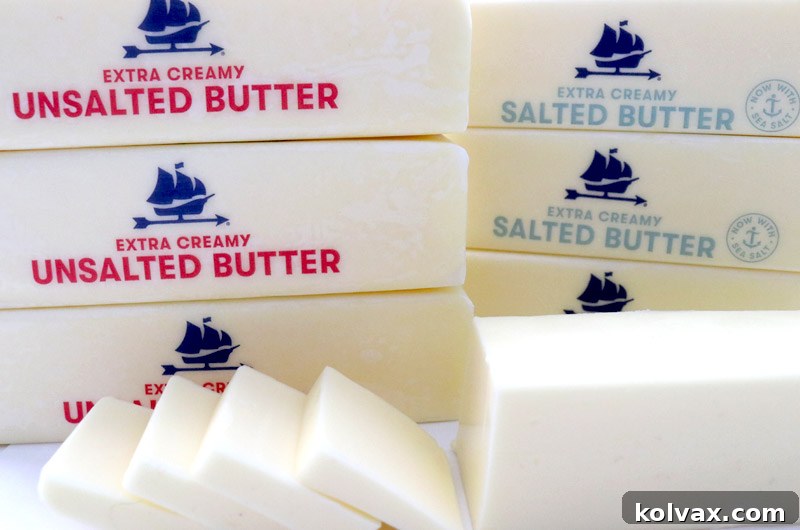
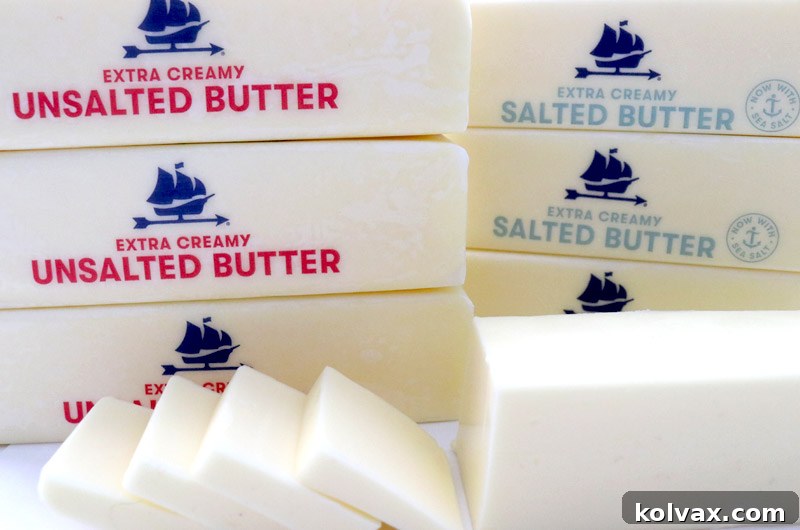
At its most basic, the distinction between salted and unsalted butter is straightforward: salt. Unsalted butter, often simply labeled “sweet cream butter,” contains no added salt. It’s pure butterfat churned from cream. Salted butter, on the other hand, has salt incorporated during its production process. While this seems like a minor detail, its implications for baking are significant.
The amount of salt added to salted butter isn’t standardized across all brands. This variability is a critical point for bakers. One brand might add a quarter teaspoon of salt per stick (1/2 cup or 113 grams), while another might add half a teaspoon. This inconsistency means that if a recipe calls for a specific amount of salt, using salted butter introduces an unknown quantity, making it difficult to precisely control the flavor profile. Furthermore, the salt in salted butter acts as a preservative, which can slightly extend its shelf life. However, for baking purposes, fresher butter (often unsalted) is generally preferred due to its purer flavor.
Why Unsalted Butter is Often the Baker’s Preferred Choice
When precision and control are paramount, unsalted butter takes center stage in the baker’s kitchen. Here’s why it’s frequently recommended for a wide array of baked goods:
- Ultimate Salt Control: This is the primary reason. Baking is often a science, where the ratio of ingredients impacts not just flavor but also texture, rise, and structure. By using unsalted butter, you have complete command over the amount of salt in your recipe. You can add precisely the quantity called for, ensuring your dish achieves the intended flavor balance without becoming overly salty. This is especially vital for delicate desserts where a specific sweetness or a nuanced flavor profile could be overwhelmed by too much salt.
- Purer Butter Flavor: Unsalted butter allows the clean, creamy taste of the butter itself to shine through. Without the interference of added salt, you can truly appreciate the nuances of the butter’s quality, which is particularly important in recipes where butter is a star ingredient, like in buttercreams, shortbread, or croissants. High-quality unsalted butter offers a richer, more profound dairy flavor.
- Chemical Interactions: Salt plays a role in various chemical reactions in baking. It can affect gluten development, yeast activity in breads, and the browning process. Using unsalted butter ensures that these reactions proceed as intended, based on the recipe’s specified salt content. For instance, too much salt can inhibit yeast activity, leading to a flatter bread.
- Enhanced Texture: In certain baked goods, excess salt can sometimes lead to a tougher texture or affect the crumb of cakes and muffins. Using unsalted butter allows for more consistent texture development, resulting in tender cakes, flaky pie crusts, and perfectly chewy cookies.
Consider using unsalted butter for recipes such as:
- Cookies: Especially delicate sugar cookies, chocolate chip cookies, or shortbread where a balanced sweetness is key.
- Cakes: Ensuring light, fluffy crumbs and perfectly balanced frosting flavors.
- Pie Crusts: For that quintessential flaky texture and buttery flavor without excessive saltiness.
- Breads and Muffins: Where precise yeast activation and crumb structure are crucial for a good rise and tender interior.
- Custards and Puddings: To highlight the creamy dairy notes and specific flavoring agents.
- Delicate Pastries: Croissants, puff pastry, and tarts where the butter’s pure flavor and texture are paramount.
When Salted Butter Shines: Flavor Enhancement and Convenience
While unsalted butter is the go-to for many precise baking tasks, salted butter certainly has its place and advantages in the kitchen. It excels in situations where its inherent saltiness enhances the overall flavor or where convenience is a priority.
- Flavor Enhancement: Salt is a phenomenal flavor enhancer. In many applications, a touch of salt can awaken and intensify other flavors, especially sweetness. When you want a delightful contrast or a richer, more complex taste profile, salted butter can be your secret weapon. The combination of sweet and salty is particularly appealing in many culinary contexts.
- Convenience: For everyday cooking and certain types of baking where precision isn’t as critical, salted butter offers a ready-to-use solution. There’s no need to reach for the salt shaker; the seasoning is already built in. This can save a tiny bit of time and simplify the process for less precise recipes.
- Preservation: As mentioned, the salt in salted butter acts as a natural preservative, extending its shelf life slightly longer than unsalted butter. While fresh butter is always best, this can be a small practical advantage.
Here are instances where salted butter is an excellent choice:
- Spreading on Breads: Whether it’s a warm slice of toast, a freshly baked bagel, or a fluffy pancake or waffle, salted butter provides instant flavor and richness that perfectly complements the carbohydrate.
- Savory Dishes: For cooking applications like sautéing vegetables, basting meats, or making a quick pan sauce, salted butter adds an immediate layer of seasoned flavor.
- Grilled Cheese Sandwiches: The saltiness of the butter forms a delicious, crispy crust that pairs wonderfully with the melted cheese.
- Rice Krispie Treats: The hint of salt wonderfully balances the sweetness of marshmallows, creating a more addictive snack.
- Popcorn: Melted salted butter is the classic topping for popcorn, enhancing its savory appeal and making it utterly irresistible.
- Frosting and Buttercream (with caution): While unsalted is generally preferred for buttercreams for control, some people prefer a subtle salty tang in their frosting to cut through the sweetness. If using salted butter, taste and adjust sweetness accordingly, and consider reducing any added salt in the recipe.
- Simple Quick Breads or Muffins (if no other salt is added): For very basic recipes where salt isn’t added elsewhere, salted butter can provide the necessary seasoning.
What if the Recipe Doesn’t Specify Which Butter to Use?
This is a common predicament for many home bakers. When a recipe omits the butter type, there’s a general rule of thumb to follow, but also some practical “real-talk” advice:
- Default to Unsalted for Baking: If the recipe involves baking in the oven (cakes, cookies, breads, pies) or if it lists salt as a separate ingredient, it is safest to assume unsalted butter. This allows you to maintain control over the salt levels and ensures the recipe’s intended balance is achieved. Most professional recipes and cookbooks operate under the assumption that unsalted butter will be used.
- The “It’s Fine” Caveat and How to Adjust: Here’s the truth from many years in the kitchen: If you only have salted butter on hand and the recipe calls for unsalted, it’s usually okay to proceed, especially for less delicate recipes or if you’re comfortable with slight flavor variations. However, you should try to compensate for the added salt. A common guideline is to reduce the amount of additional salt in the recipe by about ¼ teaspoon for every ½ cup (one stick) of salted butter used. This isn’t an exact science due to varying salt levels in different butter brands, but it’s a good starting point to prevent your baked goods from becoming too salty. Always taste your mixture if possible (e.g., cookie dough, frosting) before the final step.
Think about the context: If you’re making a rich brownie or a hearty banana bread, a slight variation in salt might not be detrimental. If you’re crafting a delicate French macaron or a precise cheesecake, then sticking to unsalted butter is highly recommended.
Beyond Salt: Other Butter Considerations for Baking Success
While the salted vs. unsalted debate is crucial, there are other aspects of butter that can impact your baking:
- Butter Quality: Not all butter is created equal. Higher quality butter, often European-style, typically has a higher butterfat content and lower water content. This results in richer flavor and can lead to flakier pastries and more tender cakes. When butter is a star ingredient, investing in good quality butter can make a noticeable difference.
- Butter Temperature: Recipes frequently specify “cold butter,” “room temperature butter (softened),” or “melted butter” for a reason. Each temperature serves a specific function:
- Cold Butter: Essential for flaky pastry doughs (pies, biscuits, croissants) as it creates pockets of steam in the oven, leading to a light, airy texture.
- Softened Butter: Ideal for creaming with sugar to incorporate air, which provides lift and tenderizes cakes and cookies. It should be pliable but still cool to the touch.
- Melted Butter: Used for binding ingredients and adding richness to recipes where flakiness or aeration isn’t the primary goal, such as certain cookies, bars, or no-bake desserts.
- Storage: Butter should always be stored in the refrigerator. Unsalted butter, due to its lack of preservative salt, tends to go rancid faster than salted butter. For best flavor, use butter within a few weeks of purchase, or freeze it for longer storage.
Conclusion: Empowering Your Baking Decisions
The choice between salted and unsalted butter doesn’t have to be a source of confusion. By understanding the core difference—the presence and variability of salt—you can make informed decisions that elevate your baking. For precision, control, and the purest butter flavor, unsalted butter is generally the superior choice for most baking endeavors. It empowers you to meticulously manage the salt content, ensuring your creations achieve the perfect flavor balance and texture. However, don’t shy away from salted butter in applications where its pre-seasoned flavor and convenience are beneficial, particularly in savory dishes or for simple spreads.
Ultimately, the best advice is to read your recipes carefully, understand the role of each ingredient, and feel confident in making minor adjustments when necessary. With this knowledge, you’re now equipped to choose the right butter for every occasion, bringing out the best in all your culinary creations!
More Helpful Baking Tips to Master Your Kitchen Skills
- How to Soften Butter Perfectly Every Time
- How to Elevate a Boxed Cake Mix to Bakery Quality
- Secrets to Making Perfect Cupcakes Consistently