

How to Make Royal Icing: Your Ultimate Guide to Beautifully Decorated Cookies
Are you ready to transform your baked goods into stunning, edible works of art? Royal Icing is the secret weapon of professional bakers and home decorators alike, renowned for its ability to dry hard, create intricate designs, and provide a perfectly smooth finish. While it might seem intimidating at first glance, learning how to make royal icing is far easier than you might think. This comprehensive guide will walk you through a quick and incredibly easy royal icing recipe that we use time and time again for decorating cookies and other confections.
Many home bakers often default to buttercream frosting, and for good reason—it’s delicious and versatile. However, there are certain decorating tasks where royal icing truly shines, offering a distinct advantage that buttercream simply cannot match. Whether you’re aiming for crisp outlines, delicate lace patterns, or a flawlessly smooth glazed surface that hardens completely, royal icing is the only option. If your search history includes “How to Make Royal Icing” or “Easy Royal Icing Recipe,” then you’ve landed in the perfect place. We’re here to demystify the process and equip you with a reliable recipe and all the tips you need for success.
Understanding Royal Icing: The Decorator’s Essential
Royal Icing is a hard-drying icing made from powdered sugar, egg whites (or meringue powder), and liquid. Its defining characteristic is its ability to dry to a firm, smooth, and sometimes glossy finish, making it ideal for creating detailed decorations that hold their shape. Unlike buttercreams, which remain soft, royal icing becomes solid, allowing for stacked cookies, intricate piping, and robust structural elements for gingerbread houses. This makes it an indispensable tool for cookie artists who want their designs to last and maintain their precision.
Historically, royal icing has graced royal wedding cakes and elaborate pastries for centuries. Its resilience and elegant appearance have made it a timeless choice for celebratory baking. Modern advancements, particularly the widespread availability of meringue powder, have made it safer and simpler to prepare at home, eliminating concerns about raw egg whites while still delivering the same professional-quality results.
Why This Recipe is Your Go-To for Easy Royal Icing
Our royal icing recipe stands out because it focuses on simplicity without sacrificing quality. We believe that delicious, beautifully decorated cookies shouldn’t require complex techniques or a pantry full of obscure ingredients. This recipe uses just a few essential components, making it accessible even for beginner bakers. It’s quick to prepare, incredibly reliable, and consistently delivers a smooth, vibrant icing that’s perfect for all your decorating needs.
Forget the fear of runny icing or designs that melt away. With our method, you’ll achieve that coveted crisp finish every time. We’ve refined this recipe to minimize troubleshooting and maximize your decorating joy. Whether you’re outlining, flooding, or piping delicate details, this easy royal icing will be your trusted companion in the kitchen.
Essential Ingredients for Perfect Royal Icing
The beauty of royal icing lies in its minimalist ingredient list. Each component plays a vital role in achieving its unique texture and drying properties. Here’s what you’ll need:
- Powdered Sugar (Confectioners’ Sugar): This is the base of your icing, providing sweetness and body. It’s crucial to use powdered sugar, not granulated, as its fine texture dissolves easily and ensures a smooth, lump-free icing. For best results, sifting your powdered sugar before mixing can help prevent lumps and ensure an even consistency.
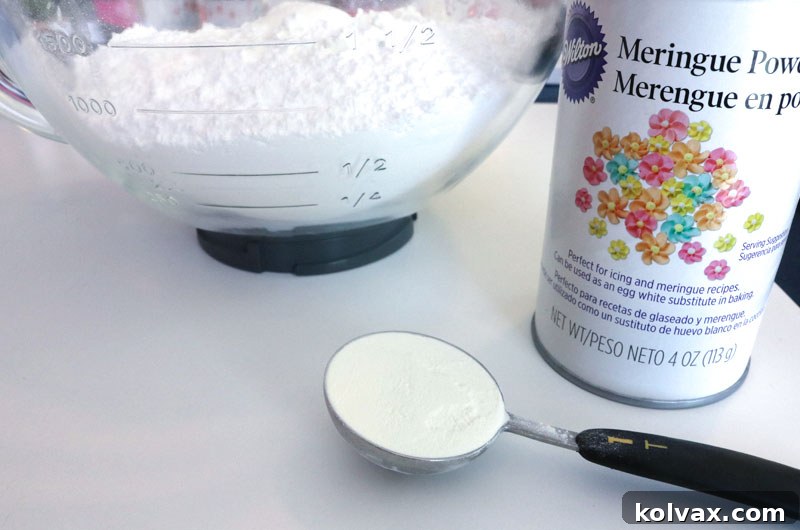
- Meringue Powder: This is the star ingredient that sets royal icing apart. Meringue powder is a shelf-stable substitute for fresh egg whites, typically made from dried egg whites, cornstarch, and stabilizers. It’s essential because it helps the icing harden completely, provides stability, and gives it that characteristic sheen. Furthermore, using meringue powder eliminates the concerns of raw egg whites, making your royal icing safe for everyone to enjoy. You can typically find meringue powder in the baking aisle of most craft stores, specialty baking shops, or conveniently online at Amazon.
- Warm Water: The liquid component that brings everything together. The warmth helps the powdered sugar dissolve more readily, contributing to a smoother icing. Adding water gradually is key, as it allows you to precisely control the consistency—a critical factor in royal icing success.
- Optional: Vanilla Extract or Other Flavorings: While not strictly necessary for the structure of royal icing, a touch of vanilla extract or an almond extract can elevate the flavor profile of your icing. Add a small amount after you’ve achieved the desired consistency to avoid altering the texture too much.
Step-by-Step Guide: How to Make Royal Icing
Follow these simple steps to create perfect royal icing every time:
Step 1: Prepare Your Dry Ingredients
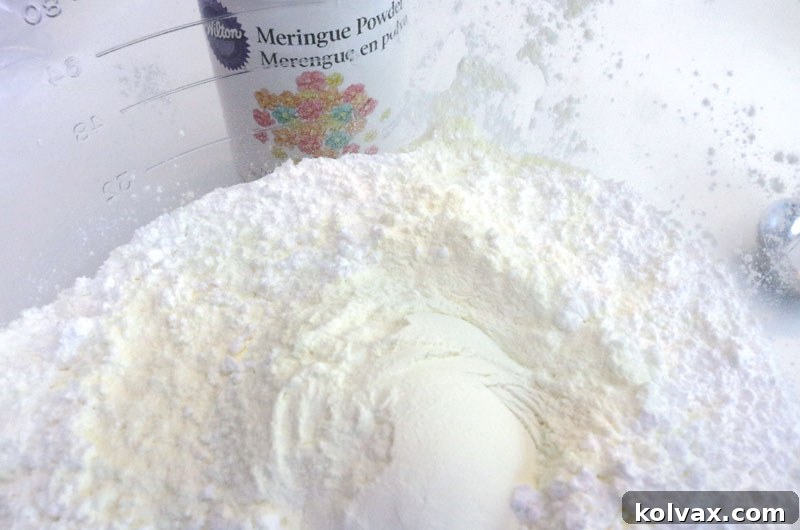
Begin by combining your powdered sugar and meringue powder in a large mixing bowl. If your powdered sugar tends to be lumpy, it’s highly recommended to sift it first. This step is crucial for preventing any unsightly lumps in your final icing, ensuring a silky-smooth texture perfect for decorating.
Step 2: Gradually Add Warm Water and Mix
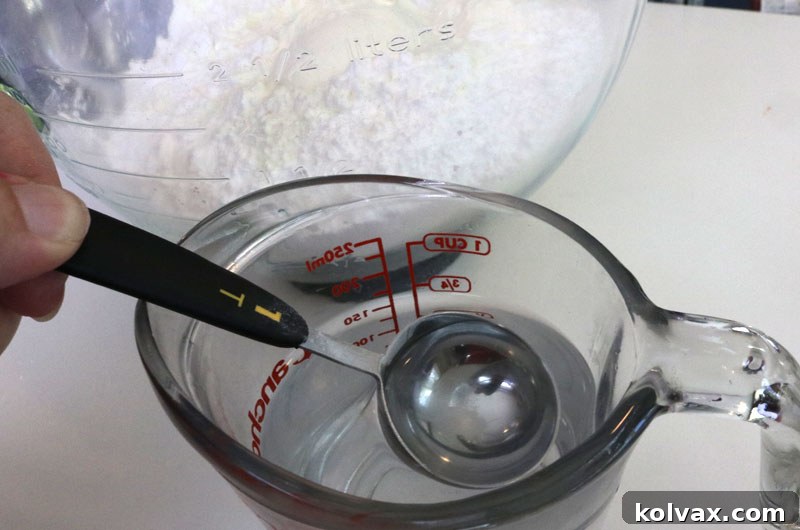
With your mixer on low speed (using a stand mixer with a whisk attachment is ideal, but a hand mixer works too), begin adding the warm water, one tablespoon at a time. Mix thoroughly after each addition. You’ll notice the mixture start to come together, moving from a powdery blend to a thick paste. The goal is to incorporate the water slowly to achieve control over the consistency.
Step 3: Achieving the Right Consistency
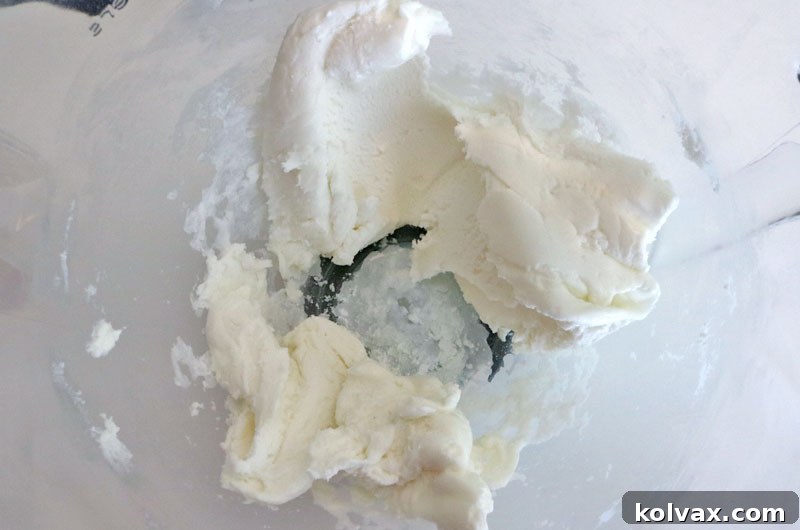
After the first tablespoon of water, your icing will likely be very thick, resembling a stiff paste. This is normal. Continue adding water, one tablespoon at a time, mixing well after each addition until you reach the consistency you need for your decorating project. The final consistency will vary significantly depending on whether you’re planning to outline cookies or flood them.
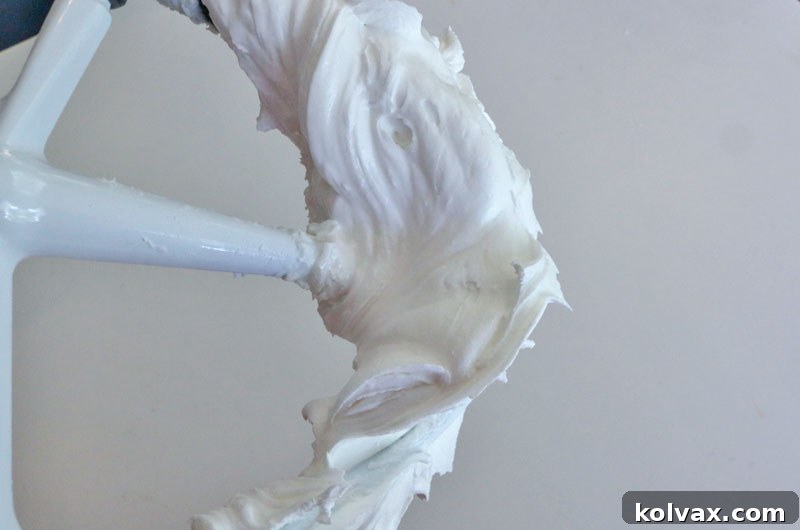
Step 4: Final Mix and Appearance
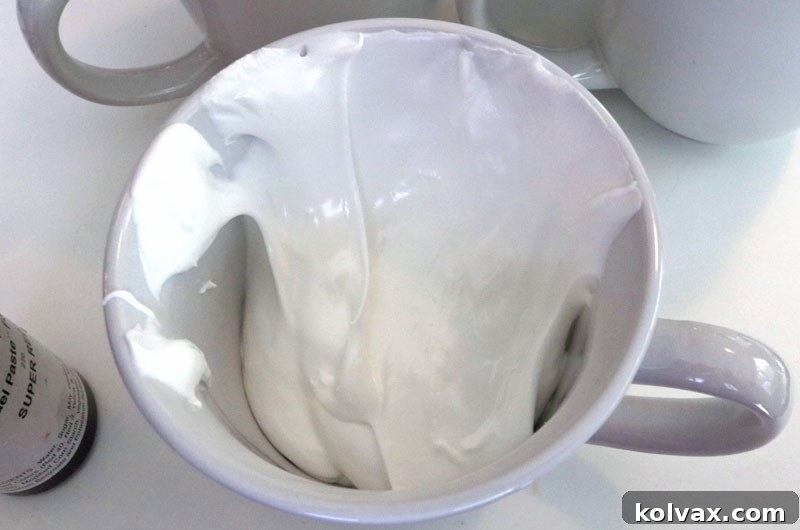
Once you’ve reached your desired consistency, beat the royal icing on medium-high speed for about 5-7 minutes. This process incorporates air, making the icing glossy, smoother, and increasing its volume. The resulting icing should be bright white, smooth, and have a beautiful sheen. This is your base royal icing, ready for coloring or immediate use.
Step 5: Add Food Coloring (Optional)
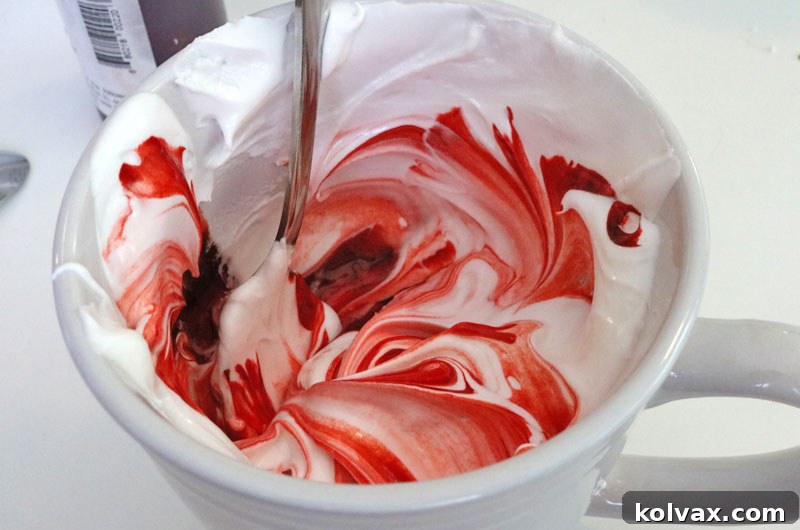
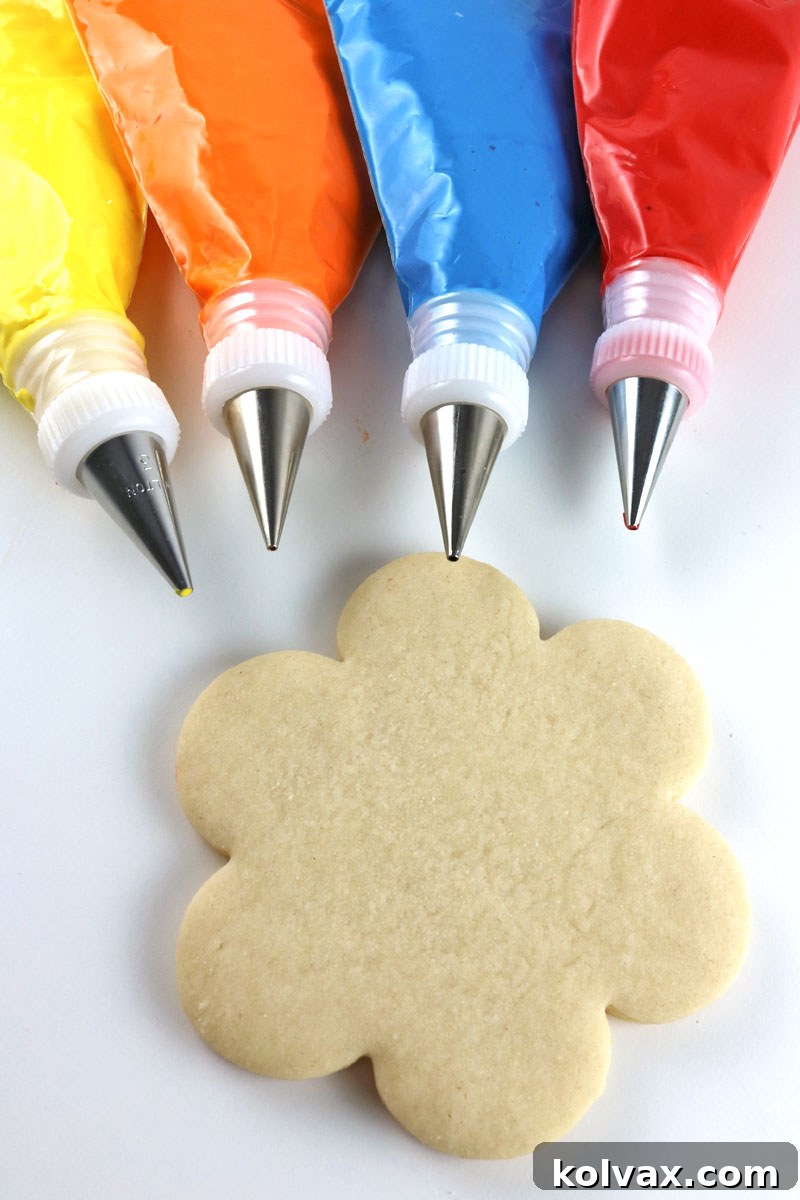
If you plan to add color, now is the time! Divide your royal icing into separate bowls for each color you desire. Use gel food coloring, which is concentrated and won’t thin your icing as much as liquid food coloring. Add a tiny amount with a toothpick, mix well, and gradually add more until you achieve your desired shade. Remember that colors often deepen slightly as the icing dries.
For inspiration and guidance on creating a spectrum of beautiful hues, check out our Frosting Color Guide. It provides fun formulas for achieving all our favorite frosting colors, which can be easily adapted for royal icing.
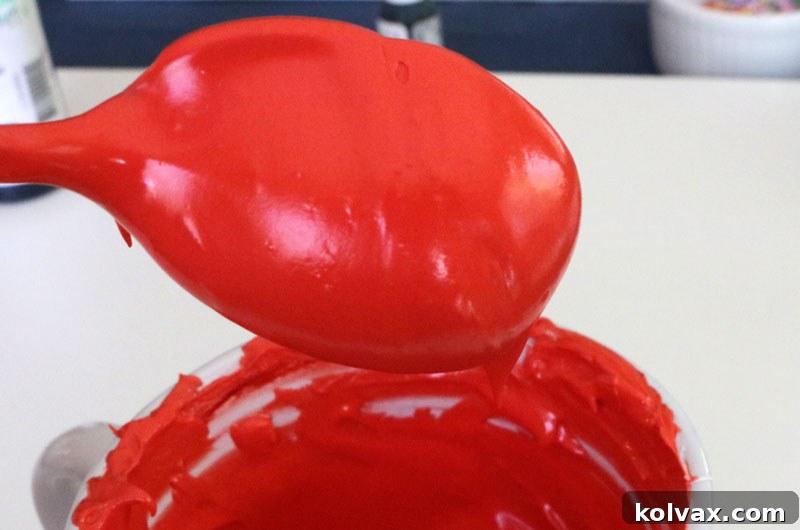
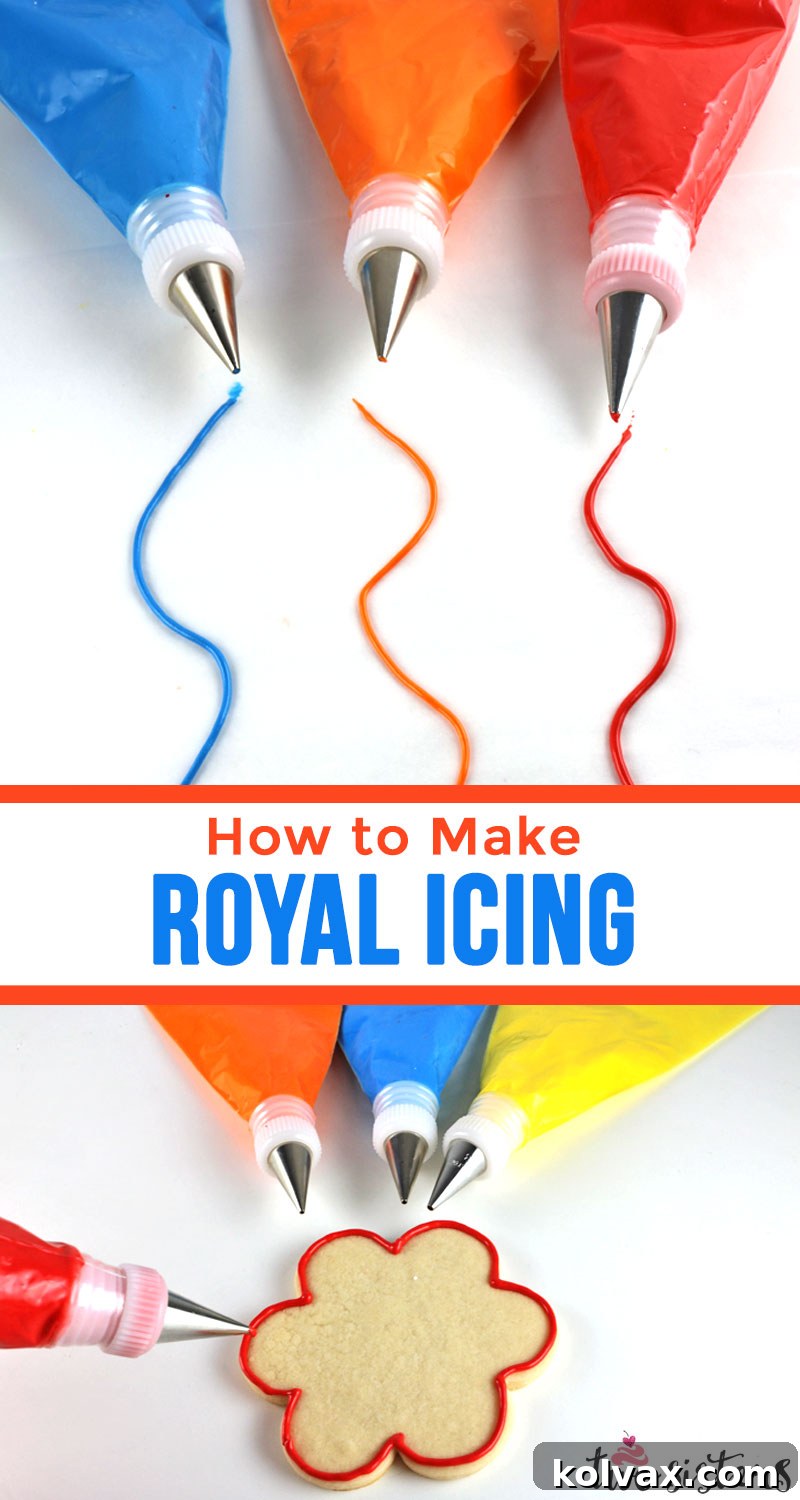
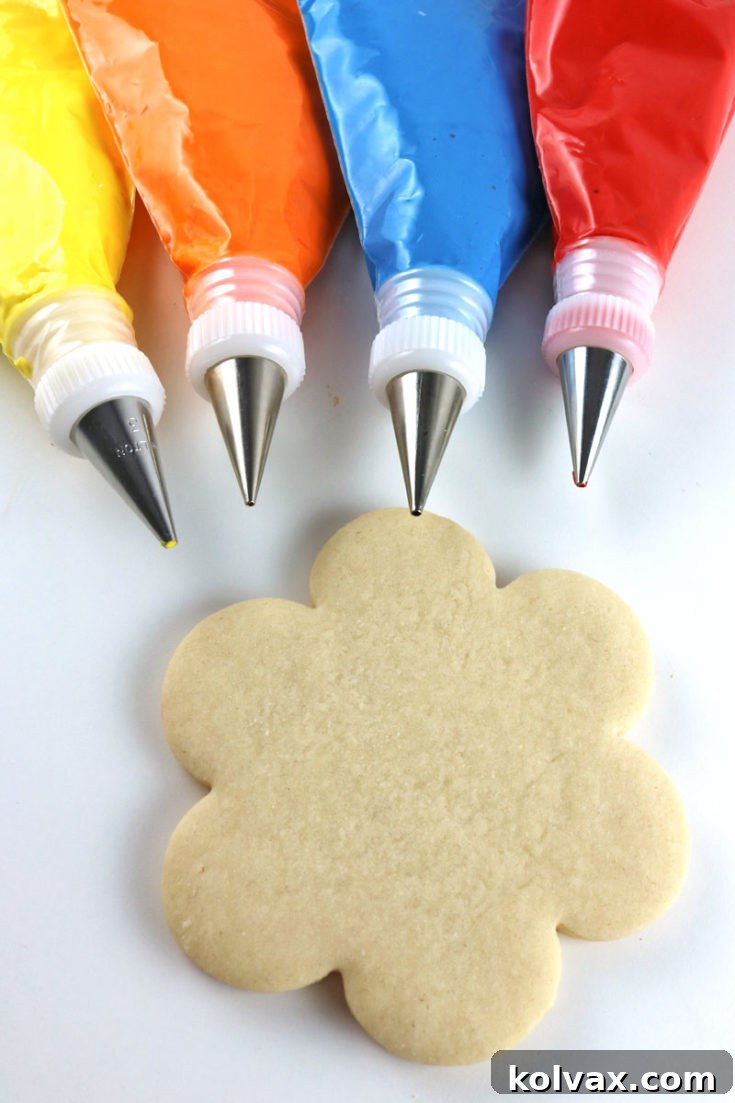
Once colored, your beautiful, vibrant royal icing is ready to be transferred to decorating bags, prepared for outlining, flooding, or any other creative cookie decorating adventure!
Royal Icing Consistency: Mastering the Art
One of the most crucial aspects of working with royal icing is understanding and adjusting its consistency. Different decorating techniques require different thicknesses. Here’s a breakdown:
- Stiff Peak Consistency (Piping/Outlining): This is a very thick icing, akin to toothpaste. When you lift the whisk, it should form stiff peaks that hold their shape. Ideal for piping intricate borders, delicate details like flowers, leaves, or for creating “royal icing transfers” where designs are piped onto parchment paper and then transferred to cookies once dry.
- Medium Consistency (Detail Work/Flowing): Slightly thinner than stiff peak, this consistency is still thick enough to hold a definite shape but has a smoother flow. It’s excellent for piping smaller details that don’t need to be as rigid as borders, or for filling in small areas without much spreading. It’s often described as having a consistency similar to honey or corn syrup.
- Flooding Consistency (Runny/Filling): This is a thinner, more fluid consistency, used to fill in outlined areas of cookies, creating a smooth, even surface. To test, draw a line through the icing with a knife; the line should disappear and become smooth again within 8-10 seconds. If it takes longer, add a few more drops of water. If it disappears too quickly, add a tiny bit more powdered sugar or meringue powder. This “10-second rule” is a decorator’s best friend.
Always add water (or a small amount of powdered sugar/meringue powder to thicken) very slowly, a few drops or a quarter teaspoon at a time, until you reach the perfect consistency. It’s easier to add more liquid than to fix an overly thin icing.
Tips for Royal Icing Success
To ensure your cookie decorating experience is as smooth as your icing, keep these tips in mind:
- Storage: Store royal icing in an airtight container at room temperature for up to two weeks, or in the refrigerator for up to a month. Before using, stir it thoroughly (you might need to re-mix it on low speed for a minute) and adjust consistency as needed. Always place a piece of plastic wrap directly on the surface of the icing to prevent a crust from forming.
- Cleanliness is Key: Royal icing is sensitive to grease. Ensure all your bowls, beaters, and tools are completely clean and grease-free, as even a tiny speck of oil can prevent the icing from drying properly.
- Cookie Prep: Always ensure your cookies are completely cooled before decorating. Warm cookies will cause your royal icing to melt or slide off.
- Drying Time: Royal icing needs time to dry and harden. This can take anywhere from 6-24 hours, depending on humidity, thickness of the icing, and environmental conditions. For faster drying, use a dehydrator or a fan on a low setting.
- Troubleshooting: If your icing develops craters during flooding, it might be too thin or you’re applying it too thickly. If colors bleed, ensure your base layer is completely dry before adding another color.
Creative Uses for Your Homemade Royal Icing
Beyond traditional cookie decorating, royal icing is incredibly versatile:
- Gingerbread Houses: Its strong, hard-drying properties make it the perfect “glue” to construct and decorate gingerbread houses, holding walls and roofs firmly in place.
- Cupcake Toppers: Pipe intricate designs onto parchment paper, let them dry, and then carefully place them atop cupcakes for an elegant touch.
- Edible Decorations: Create edible lace, flowers, or other delicate decorations that can be applied to cakes, tarts, and other desserts.
- Detailing on Cakes: While not typically used to cover an entire cake, royal icing is excellent for fine piping details, borders, or text on fondant or other firm cake surfaces.
How to Make Royal Icing
2 1/2 cups
10 minutes
10 minutes
A quick and easy recipe for Royal Icing that we use again and again for perfect cookie decorating.
Ingredients
- 4 cups Powdered Sugar (Confectioners’ Sugar)
- 5 tablespoons Meringue Powder
- Up to 1/2 cup Warm Water (adjust for desired consistency)
Instructions
- Mix the powdered sugar with the meringue powder in a large mixing bowl. For best results, ensure powdered sugar is sifted to prevent lumps.
- Add warm water, one tablespoon at a time, mixing well after each addition. Continue adding until you achieve the desired consistency for your Royal Icing (e.g., outlining, flooding).
- Once the desired consistency is reached, add food coloring if desired and mix until evenly combined and vibrant. Transfer to a piping bag and start decorating!
Unleash Your Inner Cookie Artist!
You now have all the tools and knowledge to master royal icing. This quick and easy recipe has proven its reliability time and again, delivering flawless results for countless batches of beautifully decorated cookies. Whether you’re a seasoned baker or just starting your decorating journey, this guide provides the foundation for stunning creations.
So, gather your ingredients, prepare your workspace, and get ready to create edible masterpieces. The world of cookie decorating is vast and exciting, and with this royal icing recipe in your arsenal, you’re well-equipped to explore all its possibilities. Happy cookie decorating!
You May Also Like:
- The Best Sugar Cookie Recipe
- The Best Buttercream Frosting
- Frosting Color Guide