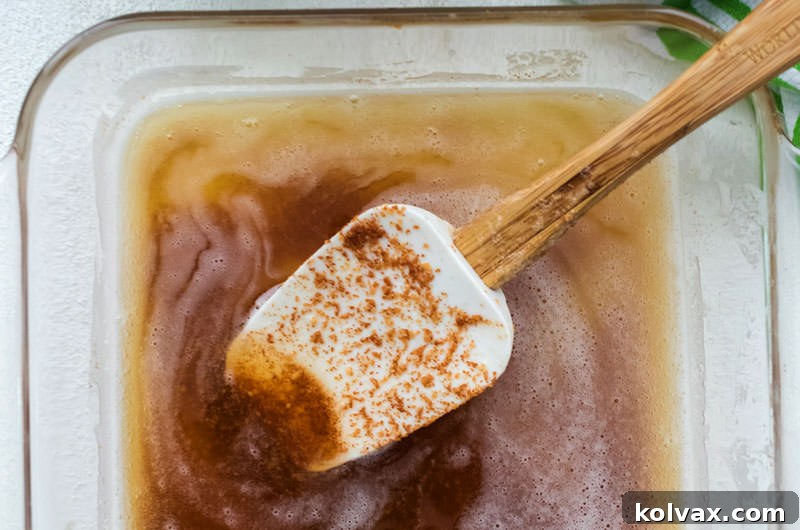
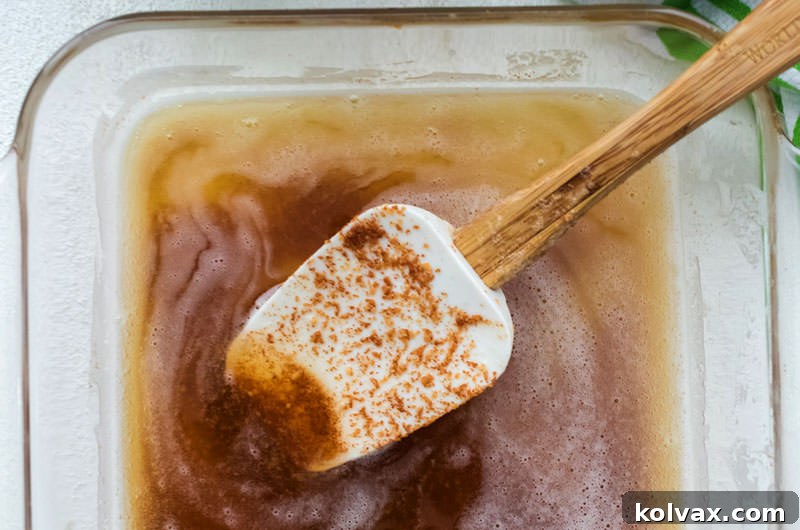
The Ultimate Guide to Making Perfect Brown Butter: Elevate Your Culinary Creations
Brown butter, often revered by chefs and home cooks alike as “liquid gold,” is a deceptively simple ingredient that possesses an extraordinary ability to transform ordinary dishes into culinary masterpieces. Its rich, nutty, and intensely buttery flavor profile is truly unparalleled, offering a depth that conventional butter simply cannot match. Whether you’re whipping up a batch of gourmet cookies, a delicate pasta dish, or even a savory sauce, incorporating brown butter can unlock a whole new dimension of taste and aroma.
The beauty of brown butter lies not only in its exquisite flavor but also in its surprising ease of preparation. You might imagine that such a sophisticated ingredient requires complex techniques, but the truth is, making perfectly browned butter at home is a straightforward process that takes mere minutes. This comprehensive guide will walk you through every step, from selecting the right butter to mastering the browning process, ensuring you achieve flawless results every single time. Get ready to embrace this flavorful variation and revolutionize your cooking!
Why Brown Butter Is a Game-Changer in Your Kitchen
For those unfamiliar with its charms, brown butter (or beurre noisette, as it’s known in French cuisine) is butter that has been gently cooked past its melting point until the milk solids within it caramelize and turn a beautiful golden-brown color. This transformation process imparts a deep, toasted, and nutty aroma, reminiscent of hazelnuts, which is incredibly intoxicating and utterly delicious.
- Unmatched Flavor Depth: Regular butter is creamy and rich, but brown butter adds an entirely new layer of complexity. The caramelization of milk solids creates toasted, savory notes that enhance both sweet and savory applications.
- Aromatic Experience: The moment brown butter starts to cook, your kitchen will fill with an inviting, warm, and nutty fragrance that is truly a sensory delight.
- Versatility: From baked goods like cookies, cakes, and frostings to savory dishes such as pasta, roasted vegetables, and seafood, brown butter lends itself beautifully to an incredibly wide array of recipes.
- Simple to Make: Despite its gourmet reputation, brown butter requires just one ingredient and a few minutes of your time, making it an accessible culinary upgrade for anyone.
If you haven’t yet discovered the magic of brown butter, prepare to be amazed. It’s an essential technique that will undoubtedly become a staple in your cooking repertoire.
Essential Ingredients for Homemade Brown Butter
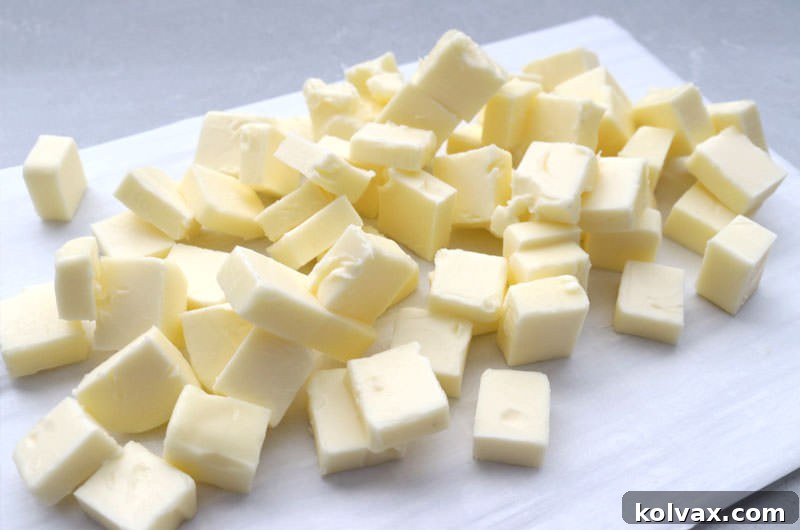
The core ingredient for brown butter is, unsurprisingly, butter itself. However, not all fats are created equal when it comes to achieving that perfect nutty flavor and golden hue. The quality of your starting butter directly impacts the quality and flavor of your finished brown butter, so choosing wisely is the first step towards success.
Choosing the Right Butter:
- High-Quality Butter: Always opt for a good quality butter. Higher fat content often means less water, leading to a more consistent browning process and a richer final product. European-style butters, known for their higher butterfat, are excellent choices, though standard good quality American butter works perfectly well too.
- Salted vs. Unsalted Butter: You can use either salted or unsalted butter. Many recipes call for unsalted butter to give you more control over the salt content of the final dish, and this principle applies here too. If you use salted butter, be mindful of the added salt when incorporating your brown butter into recipes. For most applications, unsalted butter is preferred, allowing the pure nutty flavor to shine without any salty distraction.
- Avoid Substitutes: Unfortunately, margarine or other butter substitutes simply will not work for making brown butter. Brown butter’s unique flavor comes from the caramelization of milk solids, which are absent or present in different forms in margarine and other plant-based spreads. For authentic brown butter, real dairy butter is non-negotiable.
As a general rule for quantity: some water evaporates during the browning process, and you’ll lose a small amount of volume. If your recipe requires exactly 1 cup of brown butter, start with approximately 1 ¼ cups of regular butter to ensure you have enough after the process.
Tools and Equipment You’ll Need
While the process of making brown butter is straightforward, having the right tools can make a significant difference in ensuring successful and stress-free execution. You won’t need anything fancy, just a few kitchen essentials:
- A Heavy-Bottomed Saucepan: A heavy-bottomed pan is crucial because it distributes heat more evenly, preventing hot spots that can burn your butter.
- Light-Colored Pan (Highly Recommended): This is perhaps the most important tip. Using a light-colored pan (like stainless steel) allows you to clearly see the color changes of the butter and, most importantly, the browning milk solids at the bottom. A dark-colored pan can obscure these visual cues, making it much easier to accidentally burn the butter.
- Heat-Resistant Spatula or Whisk: You’ll need this for constant stirring to ensure even browning and to scrape the flavorful bits from the bottom of the pan. A silicone spatula or a whisk works best.
- Heat-Resistant Bowl or Container: Have a separate, cool bowl ready to immediately transfer your brown butter once it’s done. This stops the cooking process instantly and prevents burning.
Step-by-Step: How to Achieve Perfectly Browned Butter
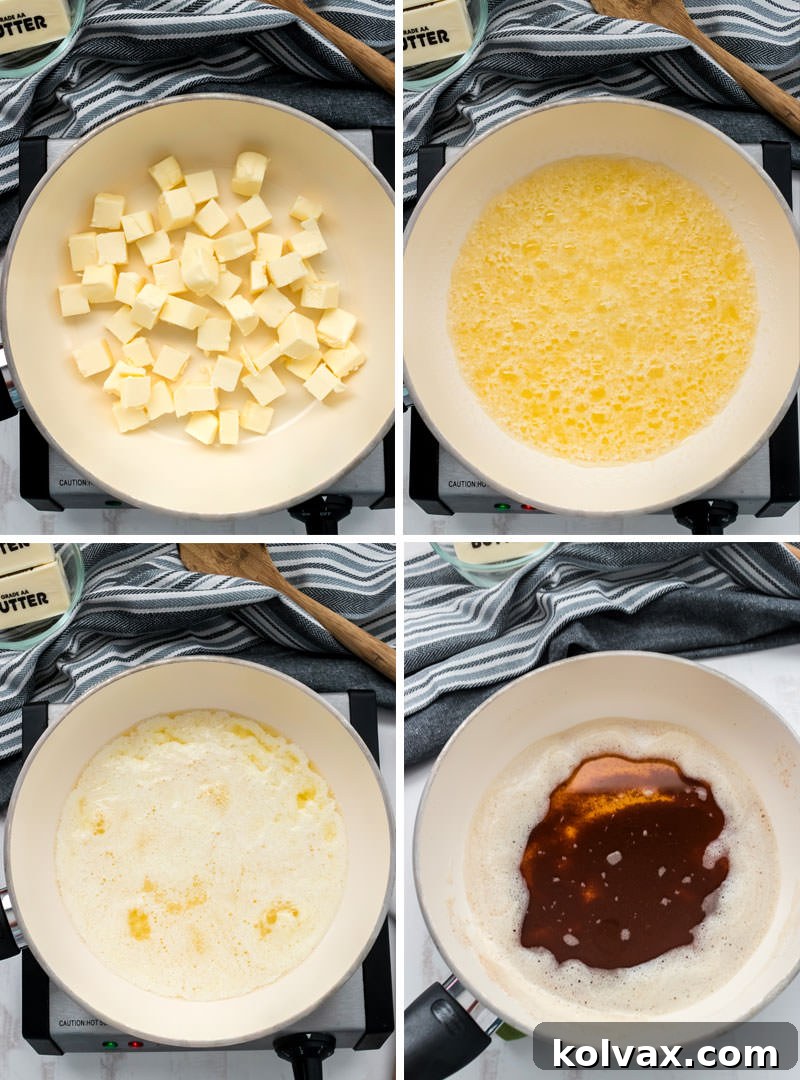
The journey from a solid stick of butter to fragrant, nutty brown butter is a quick and captivating one. Pay close attention to the visual and aromatic cues, and you’ll nail it every time.
-
Preparation: Cut and Place Butter
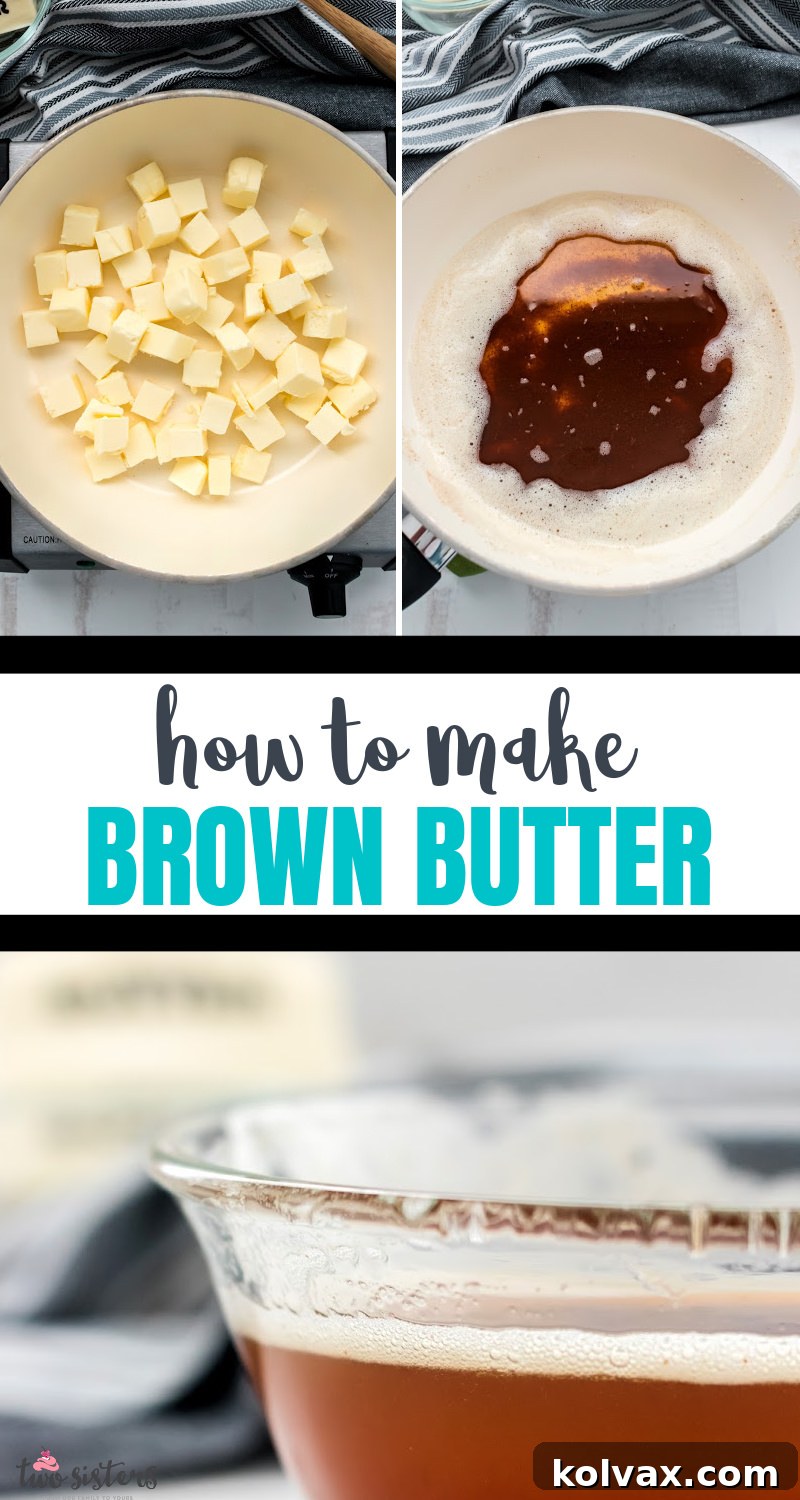
Begin by cutting your chosen butter into uniform cubes. This helps the butter melt evenly and promotes consistent browning. Place the cubed butter in your large, light-colored, heavy-bottomed saucepan. Set the pan over medium to medium-high heat. The exact heat level may vary based on your stove, but medium-high is a good starting point to initiate the process efficiently without rushing it to the point of burning. -
The Melting Phase
Allow the butter to melt completely. As it melts, it will begin to bubble and sputter gently. This is completely normal and indicates that the water content within the butter is cooking off. Continue to watch and, if desired, stir occasionally during this stage. -
Sputtering and Foaming
Once the butter is fully melted and the water begins to evaporate more rapidly, the sputtering will become more pronounced. Soon after, a foamy layer will begin to form on the surface of the butter. This foam is composed of the butter’s milk solids separating from the butterfat and rising to the top. At this point, it’s crucial to grab your heat-resistant spatula or whisk and begin to stir constantly. Stirring helps to break up the foam, allowing you to see the bottom of the pan and observe the color changes more clearly. It also ensures the milk solids don’t stick and burn in one spot. -
The Browning Magic Begins
As you continue to stir, you’ll notice that the foam on top will start to subside slightly, and the liquid butterfat underneath will turn a clearer golden color. This is the critical stage where the magic happens. Keep stirring. Within a minute or two, small, light-brown flecks (these are the milk solids) will begin to form and settle at the bottom of the pan. These tiny bits are where all the glorious nutty flavor resides. -
Reaching Perfection: Color and Aroma
As the flecks continue to brown, they will deepen in color to a rich, golden amber, almost like toasted hazelnuts. Simultaneously, your kitchen will be filled with an unmistakable, delightful nutty aroma. This is your cue! The entire process, from start to finish, typically takes about 5-8 minutes, depending on the amount of butter and the heat level. Once the butter achieves a beautiful amber hue and smells distinctly nutty (before it smells burnt!), immediately remove the pan from the heat. This is a very fine line, and a watchful eye is essential.
The Flavor Secret: Capturing the Browned Bits
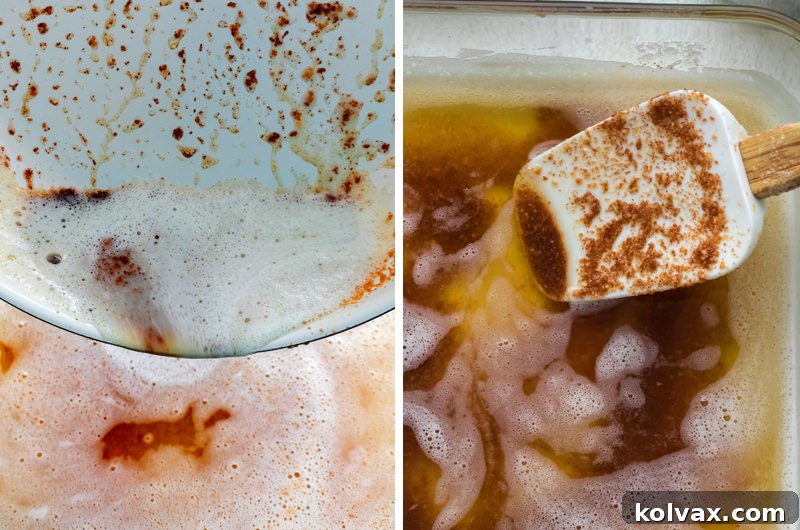
The true essence of brown butter—its signature nutty, rich flavor—is concentrated within those small, caramelized milk solids that settle at the bottom of the pan. These “brown bits” are what make brown butter so special, so it’s vital to ensure you capture every last one.
As soon as your butter reaches the perfect golden-amber color and nutty aroma (typically within 5-8 minutes from when you started heating), it’s crucial to act swiftly. Remove the pan from the heat immediately. The residual heat in the pan can continue to cook the butter, quickly turning it from perfectly browned to burnt in a matter of seconds. To stop the cooking process effectively, pour the brown butter, including all those precious brown bits, into a separate heat-resistant bowl or container. Do not leave it in the hot saucepan!
Once transferred, you can use the brown butter in its melted form directly in your recipes. Alternatively, if your recipe calls for solid brown butter (for instance, in certain cookie doughs or frostings), you can place the bowl in the refrigerator and allow it to firm back up. Once solid, it can be used just like regular butter, but with that added layer of sophisticated nutty flavor.
Tips for Achieving Brown Butter Perfection Every Time
While making brown butter is straightforward, a few key tips can ensure consistently perfect results:
- Use a Light-Colored Pan: This cannot be stressed enough. A light-colored saucepan is your best friend for monitoring the exact color of the browning milk solids and preventing accidental burning.
- Cut Butter into Uniform Cubes: Smaller, evenly sized cubes will melt at roughly the same rate, promoting even cooking and browning.
- Don’t Overcrowd the Pan: If you’re browning a large quantity of butter, consider doing it in batches. An overcrowded pan can slow down the process and lead to uneven browning.
- Stir Constantly: Once the foam appears, constant stirring is key. It helps to evenly distribute the heat, prevent milk solids from sticking and burning, and allows you to better observe the color changes.
- Rely on Your Senses: Pay close attention to both sight and smell. The color should be a rich amber, and the aroma should be nutty, not acrid or smoky.
- Act Swiftly at the End: Brown butter can go from perfectly done to burnt in a blink. Have your receiving bowl ready and transfer the butter immediately once it reaches the desired color and aroma.
Common Mistakes to Avoid When Making Brown Butter
Even though it’s a simple process, there are a few pitfalls to watch out for that can quickly turn your liquid gold into a kitchen mishap:
- Burning the Butter: This is the most common mistake. Burnt butter has a bitter, unpleasant taste and a very dark, almost black color. There’s no coming back from burnt butter; you’ll have to discard it and start over. Always keep a close eye on it, especially in the final stages.
- Using the Wrong Type of Fat: As mentioned, margarine or butter substitutes do not contain the milk solids necessary to caramelize and create the signature brown butter flavor. Stick to real dairy butter.
- Not Stirring Enough: Neglecting to stir, particularly when the foam starts to form, can cause the milk solids to settle and burn quickly at the bottom of the pan, leading to an unevenly cooked and potentially bitter brown butter.
- Using a Dark Pan: A dark-colored pan makes it incredibly difficult to accurately gauge the color of the browning milk solids. This significantly increases the risk of burning, as you might not see the browning happening until it’s too late.
- Walking Away: The process is fast! Never leave butter unattended on the stove once it starts to melt and bubble. It can go from perfect to ruined in mere seconds.
Storing Your Homemade Brown Butter
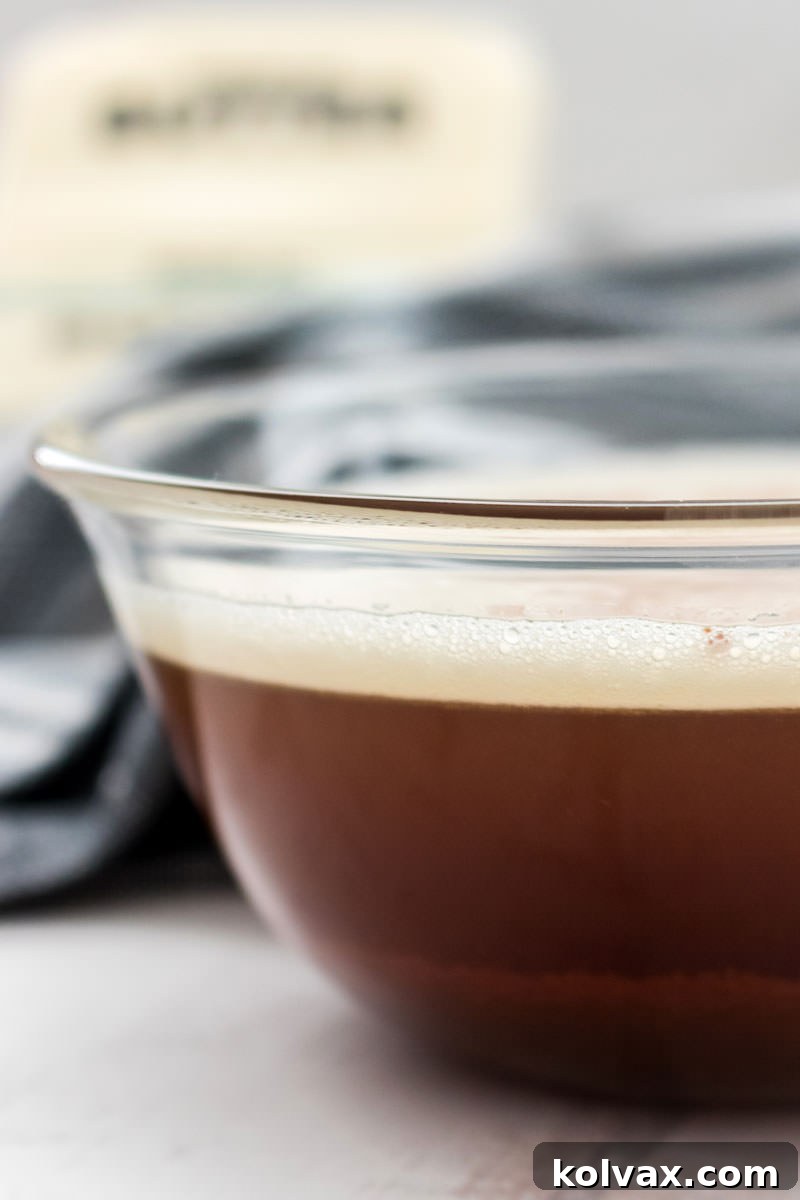
Once you’ve successfully made your batch of delicious brown butter, proper storage ensures you can enjoy its rich flavor for an extended period.
Storage Options:
- At Room Temperature (Melted): If you plan to use it within a day or two, you can keep melted brown butter in an airtight container at room temperature. However, for longer storage or if you prefer a solid consistency, refrigeration is best.
- In the Refrigerator (Solidified): For longer storage, pour the warm brown butter into an airtight container and refrigerate it. It will solidify into a lovely, firm block, much like regular butter, but with an enhanced golden color and, of course, that irresistible nutty aroma. Stored this way, brown butter can last for up to 2-3 weeks in the refrigerator. You can then scoop out or cut off portions as needed for your recipes.
- Freezing for Extended Shelf Life: For even longer storage, brown butter freezes beautifully. Pour it into ice cube trays for convenient, pre-portioned amounts, or into larger freezer-safe containers. Once frozen solid, transfer the cubes or blocks to a freezer bag. Frozen brown butter can last for up to 3-6 months, ready to be thawed and used whenever a recipe calls for that extra touch of deliciousness.
Always ensure your brown butter is stored in an airtight container to prevent it from absorbing other odors from your refrigerator or freezer.
Transform Your Recipes: Inspiring Ways to Use Brown Butter
Once you’ve tasted the transformative power of brown butter, you’ll find yourself eager to incorporate it into every possible dish. Its versatility knows no bounds, enhancing both sweet and savory creations with its unique depth of flavor.
Sweet Creations Enhanced by Brown Butter:
The nutty notes of brown butter marry perfectly with sweet ingredients, adding sophistication to classic desserts.
- Cookies: Brown butter chocolate chip cookies are legendary for a reason. The brown butter deepens the flavor of the cookie dough, making them intensely satisfying. Consider it for snickerdoodles, oatmeal cookies, or shortbread.
- Cakes and Muffins: Swap out regular melted butter in your cake or muffin recipes for brown butter to add a subtle, complex flavor that will have everyone asking for your secret ingredient.
- Frostings and Glazes: Brown butter buttercream frosting is incredibly popular, providing a warm, nutty counterpoint to sweet icings. It also makes for an amazing glaze over bundt cakes or quick breads.
- Pancakes and Waffles: Drizzle melted brown butter over your morning stack, or incorporate it directly into the batter for a truly decadent breakfast.
- Pies and Tarts: Use brown butter in your pie crust for a richer, more flavorful base, or mix it into fruit fillings for an unexpected twist.
Savory Delights with a Brown Butter Twist:
Don’t limit brown butter to desserts! Its savory applications are equally impressive.
- Pasta Dishes: A simple pasta with brown butter, sage, and Parmesan cheese is a classic for a reason. It elevates even the simplest noodles.
- Roasted Vegetables: Toss vegetables like Brussels sprouts, asparagus, or carrots with brown butter before roasting for an incredible depth of flavor.
- Seafood: Drizzle warm brown butter over pan-seared scallops, shrimp, or white fish. A squeeze of lemon juice often completes this elegant pairing.
- Sauces: Brown butter can form the base for rich sauces for chicken, pork, or even steak, adding a gourmet touch.
- Popcorn: Forget regular butter! Brown butter drizzled over freshly popped popcorn is an unbelievably addictive snack.
Ready to try brown butter in action? Explore these fantastic recipes that showcase its incredible flavor:
- Brown Butter Chocolate Chip Cookies
- Brown Butter Buttercream Frosting
- Pumpkin Spice Brown Butter Rice Krispie Treats
Frequently Asked Questions About Brown Butter
What is brown butter?
Brown butter, or beurre noisette, is regular butter that has been cooked gently until the milk solids separate and caramelize, turning a deep golden-brown color and developing a rich, nutty aroma and flavor profile.
Can I use unsalted butter to make brown butter?
Yes, absolutely! Unsalted butter is often preferred as it gives you complete control over the salt content in your final dish. If using salted butter, simply be mindful of the added salt when seasoning your recipe.
What if I accidentally burn the butter?
Unfortunately, if the butter turns dark brown or black and smells acrid or smoky, it has been burnt and cannot be salvaged. The bitter taste will overpower your dish. It’s best to discard it and start fresh with a new batch.
How much brown butter will I get from a stick of butter?
Because water evaporates during the browning process, you will yield slightly less brown butter than the amount of butter you started with. For instance, if you start with 1 cup (2 sticks) of butter, you might end up with approximately ¾ to ⅞ cup of brown butter. It’s often recommended to start with a little extra butter if your recipe calls for a precise amount.
Does brown butter need to be strained?
No, typically brown butter does not need to be strained. The caramelized brown bits (milk solids) are where most of the desirable nutty flavor resides. You want to include them in your final product. However, if a recipe specifically requests clarified brown butter, or if you prefer a perfectly smooth consistency, you could strain it through a fine-mesh sieve, but you’d be sacrificing a significant amount of flavor.
Conclusion: Unlock the Magic of Brown Butter
Making brown butter is more than just a cooking technique; it’s an initiation into a world of richer, more nuanced flavors. This humble process of gently toasting butter’s milk solids unlocks a profound nutty aroma and an unparalleled depth of taste that can elevate even the simplest ingredients. From adding warmth to your favorite chocolate chip cookies to creating a sophisticated sauce for your dinner, brown butter is a versatile and indispensable tool in any kitchen.
We hope this guide has demystified the process and empowered you to try making brown butter at home. Remember the key principles: a good quality butter, a light-colored pan, constant stirring, and quick action at the moment of perfection. Once you experience the delightful transformation of ordinary butter into this liquid gold, you’ll find yourself reaching for this technique again and again. So, grab your saucepan, a stick of butter, and prepare to infuse your cooking with the irresistible magic of homemade brown butter. Happy browning!