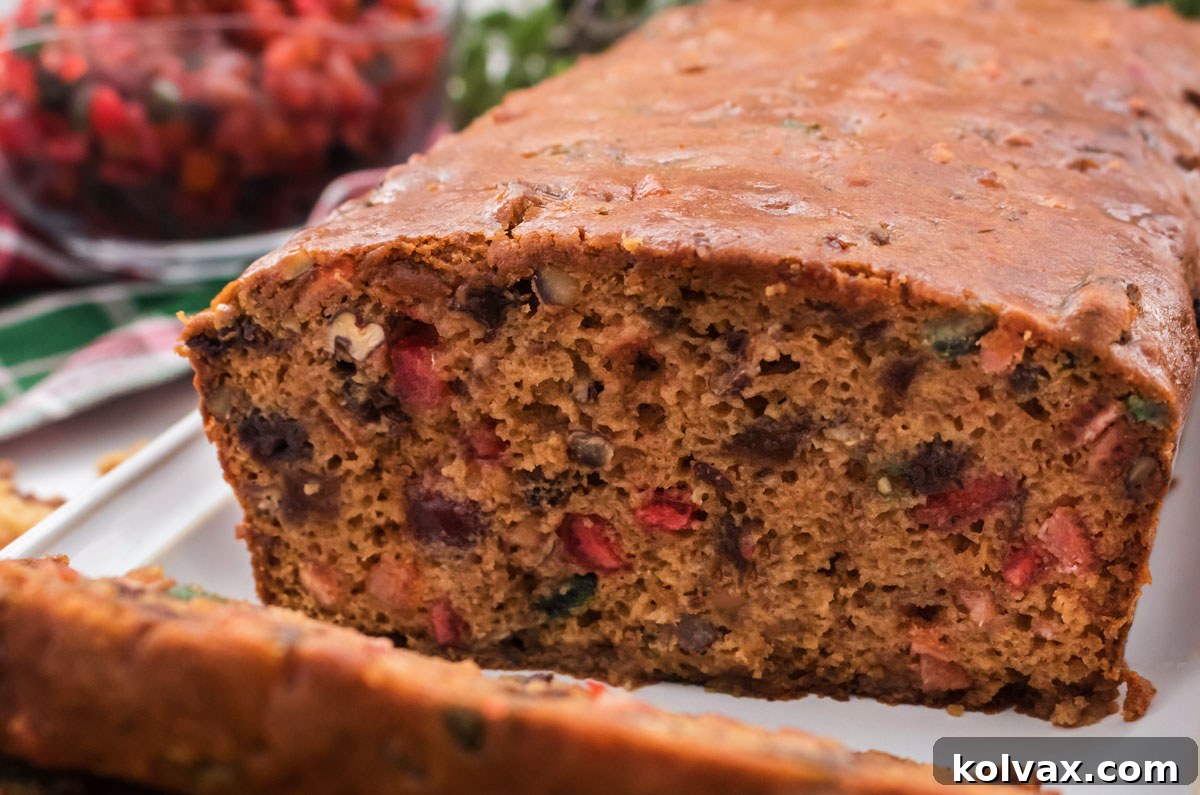
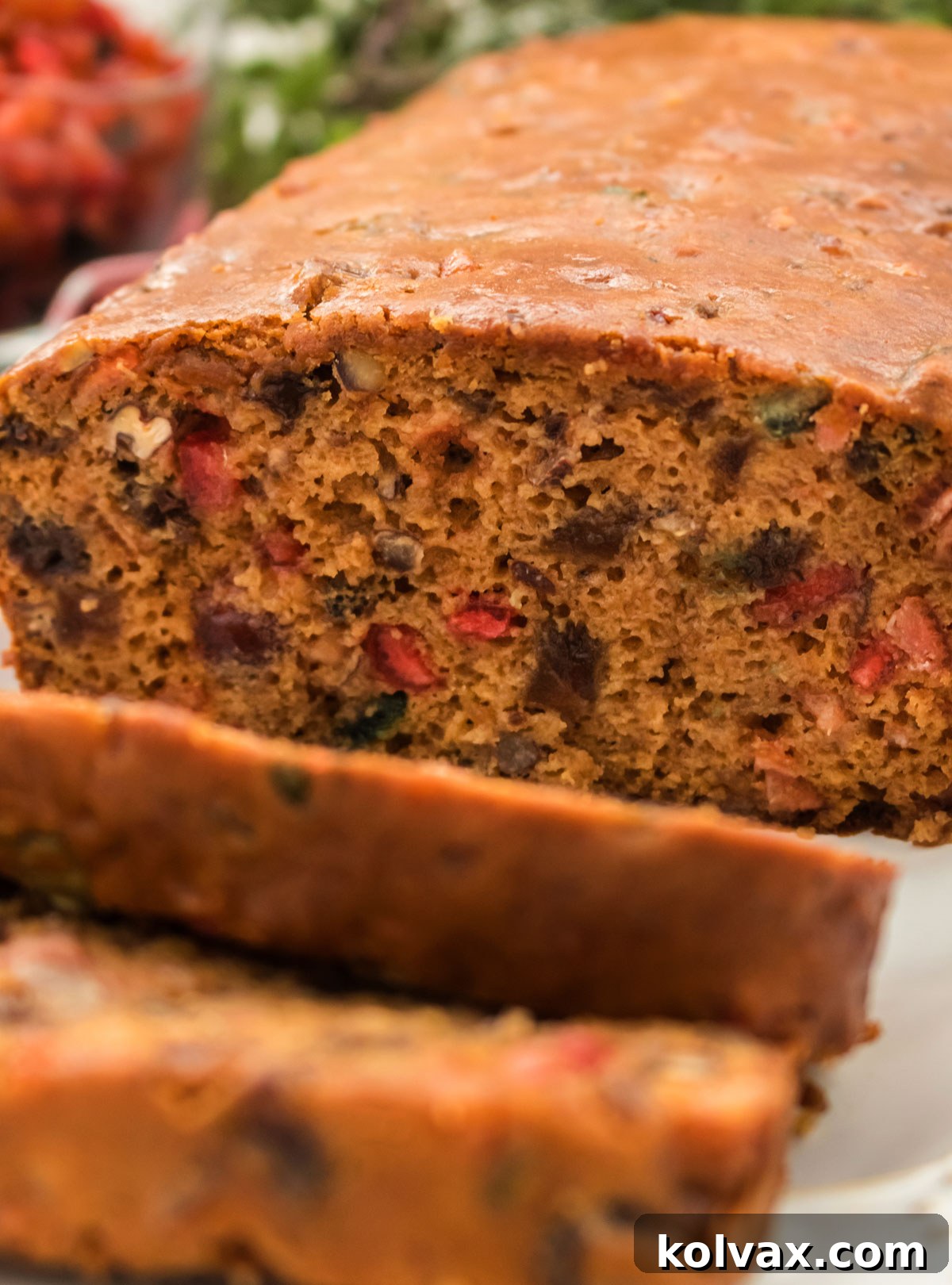
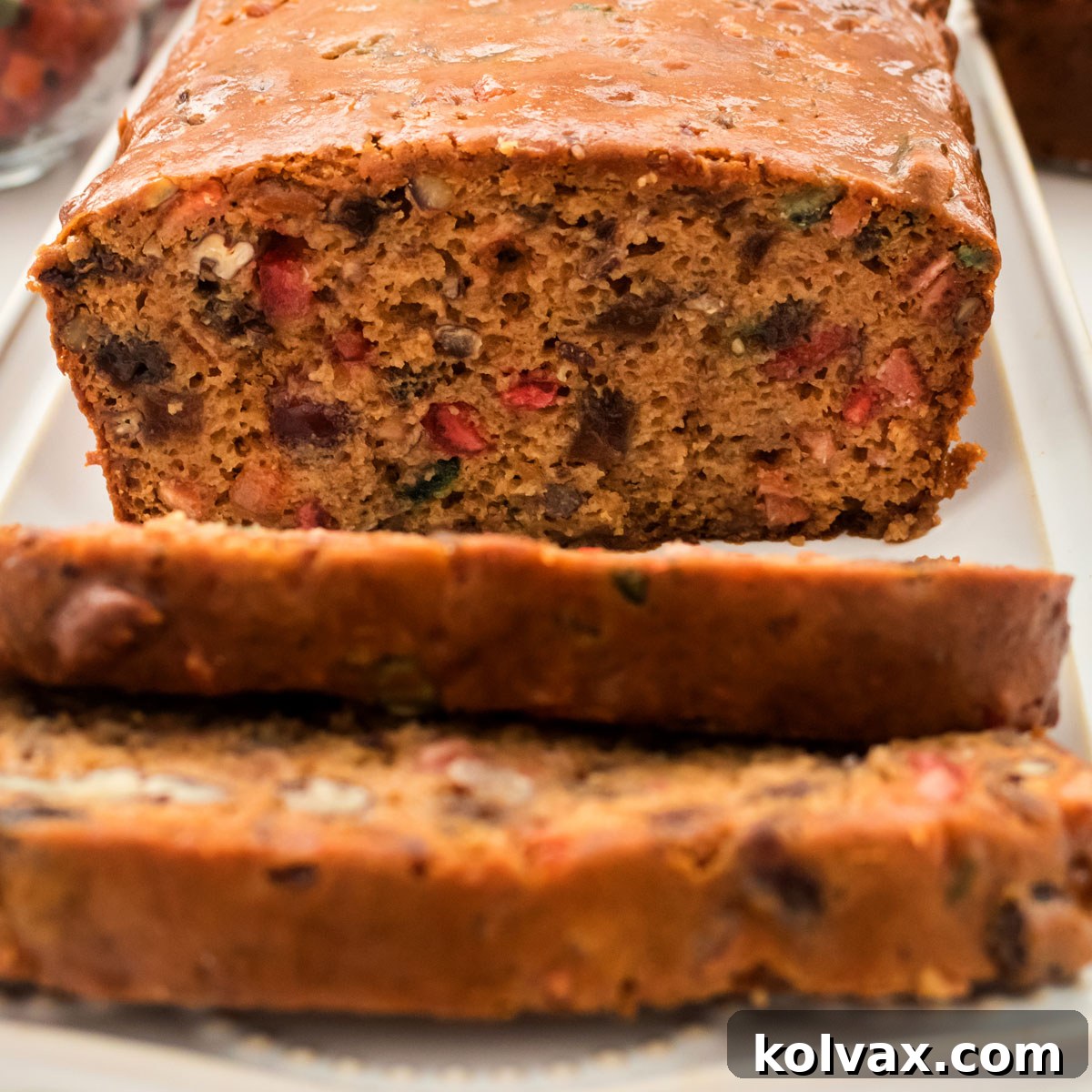
Welcome to what we confidently present as The Best Fruit Cake Recipe you will ever encounter. Forget all those preconceived notions about dry, overly sweet, and disappointingly dense fruitcakes from the store. This traditional homemade recipe promises a revelation: a profoundly moist, richly flavored, and perfectly dense cake that redefines what a fruitcake should be. It’s not just a dessert; it’s a journey into holiday tradition, a festive centerpiece brimming with deep, complex flavors that only improve with time.
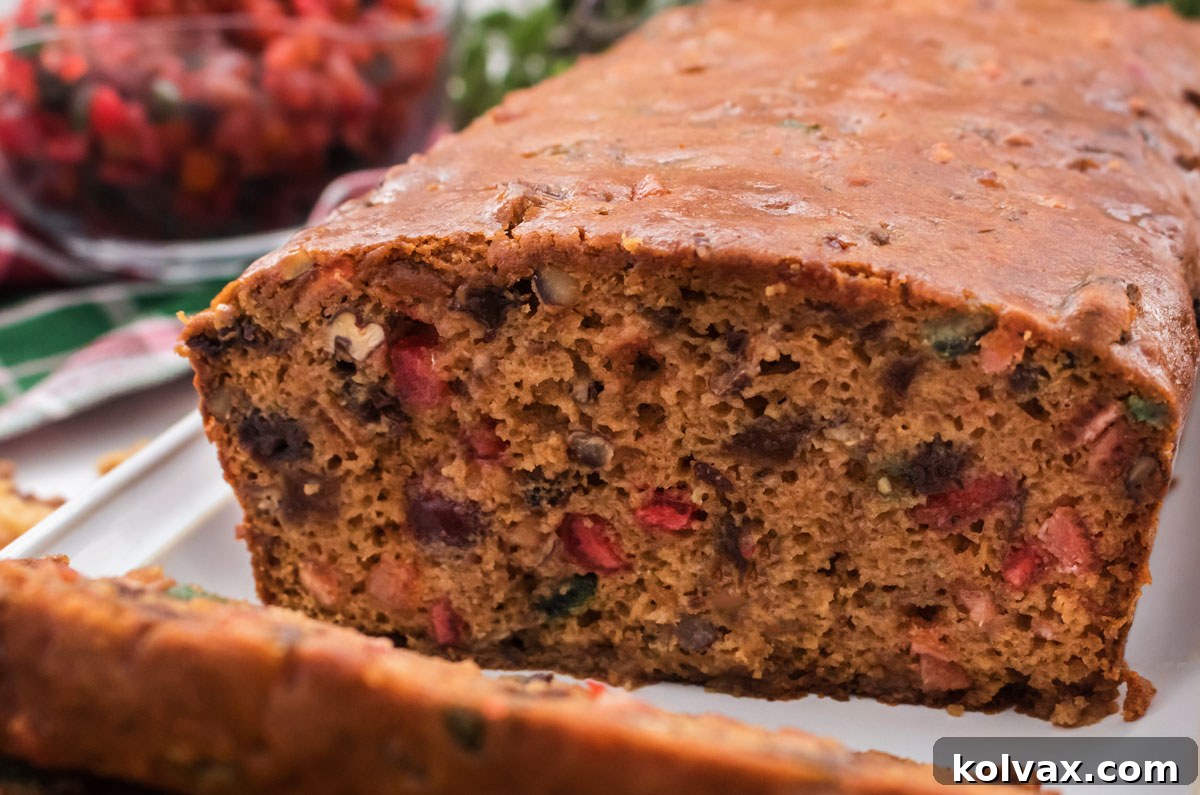
We understand the widespread skepticism and even outright jokes directed at fruitcake, but we firmly believe that most of these sentiments stem from experiences with poorly made, mass-produced varieties. Our family’s treasured recipe, passed down through generations, especially from our dad who made this culinary masterpiece every holiday season, truly stands apart. This isn’t the cloyingly sweet, artificially colored ‘candied mess’ often found in markets. Instead, it’s a robust, densely packed cake overflowing with natural fruit flavors, complemented by a subtle, aromatic richness that only develops through a proper ripening process. The judicious addition of alcohol during this period isn’t just for preservation; it’s the secret ingredient that amplifies the deep, complex notes, transforming a simple cake into an extraordinary holiday dessert. If you’ve been searching for a genuinely good homemade fruit cake, your quest ends here. Give this classic recipe a try, and prepare for a delightful surprise!
Essential Ingredients for the Perfect Fruit Cake
Crafting this exceptional fruit cake begins with selecting the right ingredients. Each component plays a vital role in achieving that perfect balance of moisture, flavor, and texture. While the list might seem extensive, every item contributes to the cake’s signature richness and longevity, making it truly the best fruit cake you’ll ever bake.
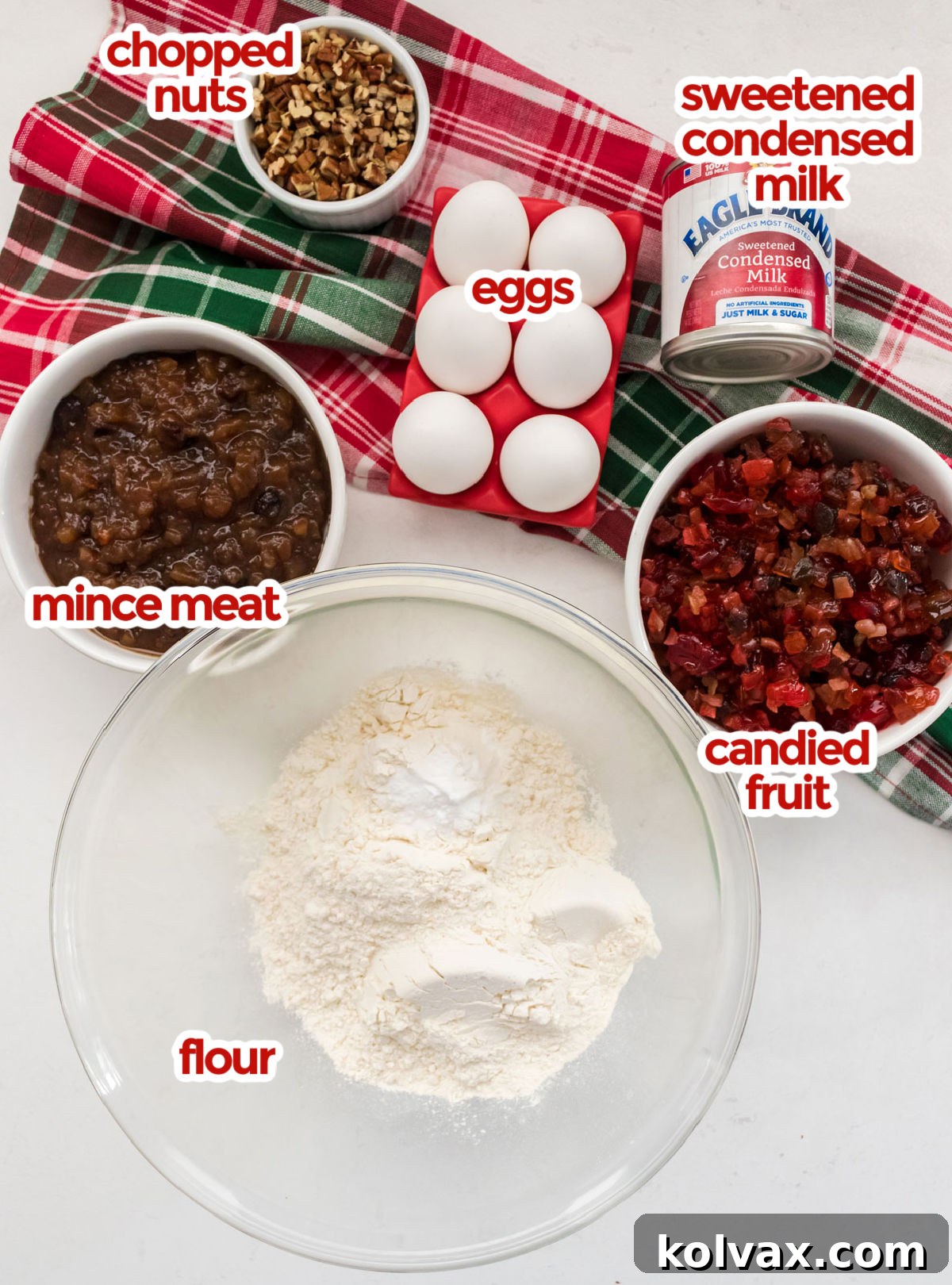
- All-Purpose Flour (sifted): Sifting the flour is a small but crucial step. It removes lumps and aerates the flour, ensuring a light, even texture in your dense fruit cake.
- Baking Soda: Our leavening agent, baking soda helps the cake rise slightly and contributes to its tender crumb, balancing the rich, heavy ingredients.
- Mincemeat (28 oz jar): This traditional ingredient is a game-changer. Mincemeat, a blend of dried fruits, spices, and sometimes suet, adds incredible depth, sweetness, and a lovely moistness. It’s truly a secret weapon for an authentic, flavorful fruit cake.
- Sweetened Condensed Milk (14 oz can): This provides not only sweetness but also an unparalleled richness and moisture that keeps the fruit cake succulent for weeks, even months. It’s key to that dense yet tender texture.
- Large Eggs: Eggs bind the ingredients together, adding structure and contributing to the cake’s rich flavor and texture.
- Mixed Candied Fruit (1 lb jar): Choose a high-quality mixed fruit blend. While often maligned, good candied fruit adds vibrant color and concentrated bursts of fruity sweetness. Look for varieties with a good mix of cherries, citrus peels, and other fruits.
- Chopped Walnuts or Pecans: Nuts provide a wonderful textural contrast and a nutty depth of flavor. Whether you prefer the earthy notes of walnuts or the buttery richness of pecans, ensure they are freshly chopped for the best taste.
- Alcohol for Ripening: This is where the magic happens! Your choice of spirit—brandy, dark rum, whisky, sherry, or orange-flavored liqueur—will infuse the fruit cake with layers of complex flavor during the ripening process. For a non-alcoholic version, orange juice can be used, but note the reduced shelf life.
Each of these ingredients contributes to the harmony of flavors and textures that define our truly superior homemade fruit cake. Gathering them is the first step towards creating a holiday masterpiece.
Crafting the Perfect Fruit Cake Batter: Step-by-Step Guide
Creating the batter for this rich and dense fruit cake is a straightforward process, but attention to detail ensures every bite is packed with flavor and moisture. Follow these steps carefully to achieve a perfectly blended foundation for your holiday dessert.
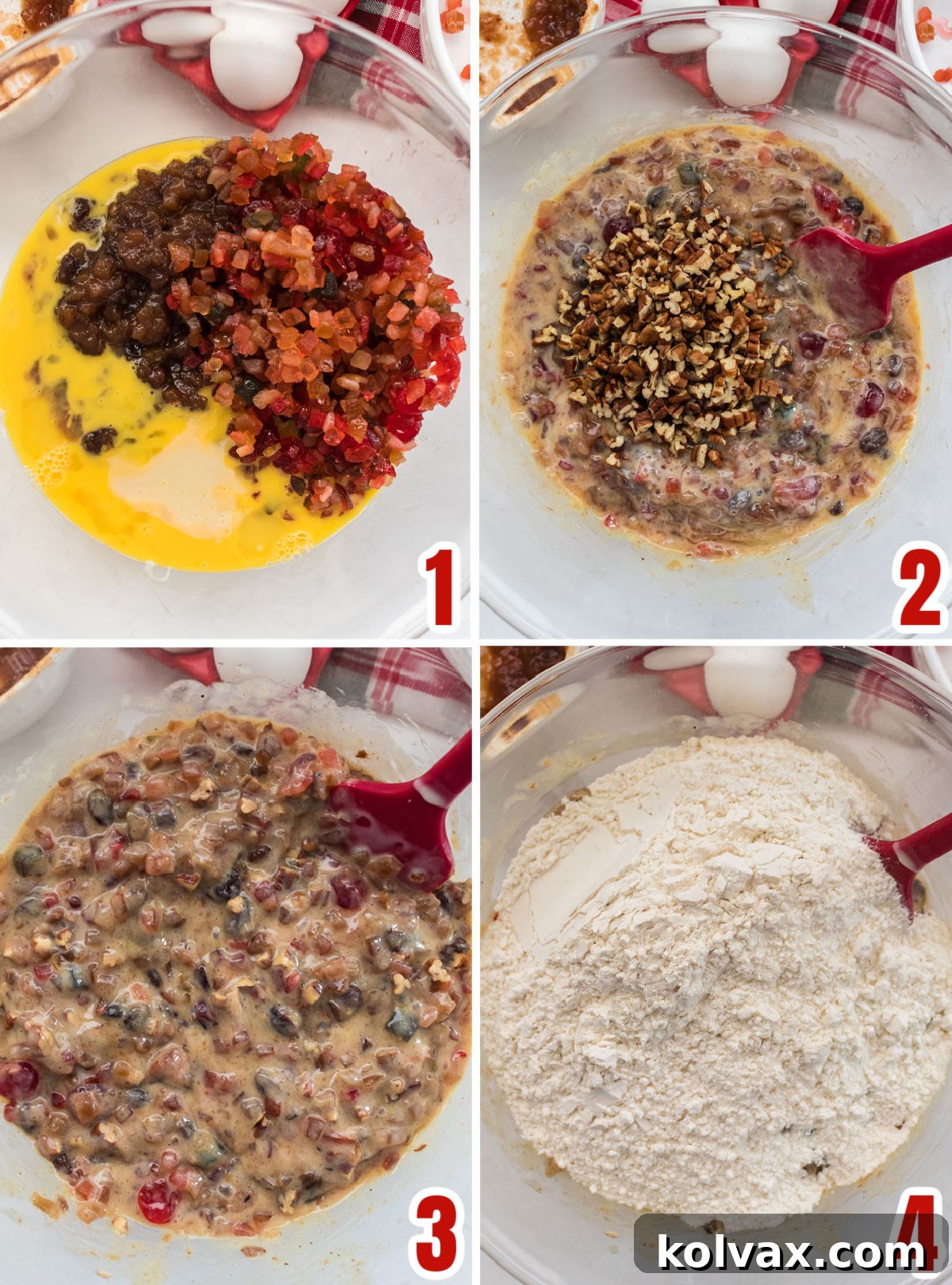
Step 1: Combine Wet Ingredients and Fruits. In a large mixing bowl, introduce the eggs, mincemeat, sweetened condensed milk, and candied fruit. These wet and semi-liquid components form the luscious base of your fruit cake. Using a sturdy spoon or a spatula, gently fold these ingredients together. The goal here isn’t to beat air into the mixture, but rather to ensure an even distribution of the sticky, flavorful mincemeat and the colorful candied fruits throughout the condensed milk and eggs. Continue folding until everything is well combined and you see a consistent, rich mixture.
Step 2: Incorporate the Chopped Nuts. Next, add your freshly chopped walnuts or pecans to the mixture. Nuts are essential for adding a delightful crunch and an earthy counterpoint to the sweetness of the fruits. Stir them in thoroughly, making sure they are evenly dispersed. This ensures every slice of your fruit cake will feature a satisfying balance of soft fruit and crunchy nuts.
Step 3: (Self-Correction/Clarification) Ensure Thorough Mixing. At this stage, take a moment to confirm that all the previously added ingredients are truly well-integrated. A final stir helps to ensure there are no hidden pockets of unmixed ingredients, which is crucial for a homogenous batter.
Step 4: Add Dry Ingredients to the Bowl. Now, it’s time for the sifted all-purpose flour and baking soda. Sifting prevents lumps and helps the leavening agent distribute more evenly. Gently sprinkle the flour and baking soda over the wet mixture. Avoid dumping it all in one spot.
Step 5: Gently Fold to Combine. This is perhaps the most important step for maintaining the cake’s desired dense yet tender texture. Using your spoon or spatula, gently fold the dry ingredients into the wet mixture. Do not overmix! Overmixing can develop the gluten in the flour too much, leading to a tough fruit cake. Fold just until no streaks of dry flour remain and all ingredients are thoroughly combined into a thick, uniform batter. The mixture will be quite dense and sticky – this is exactly what you want for a rich, moist fruit cake.
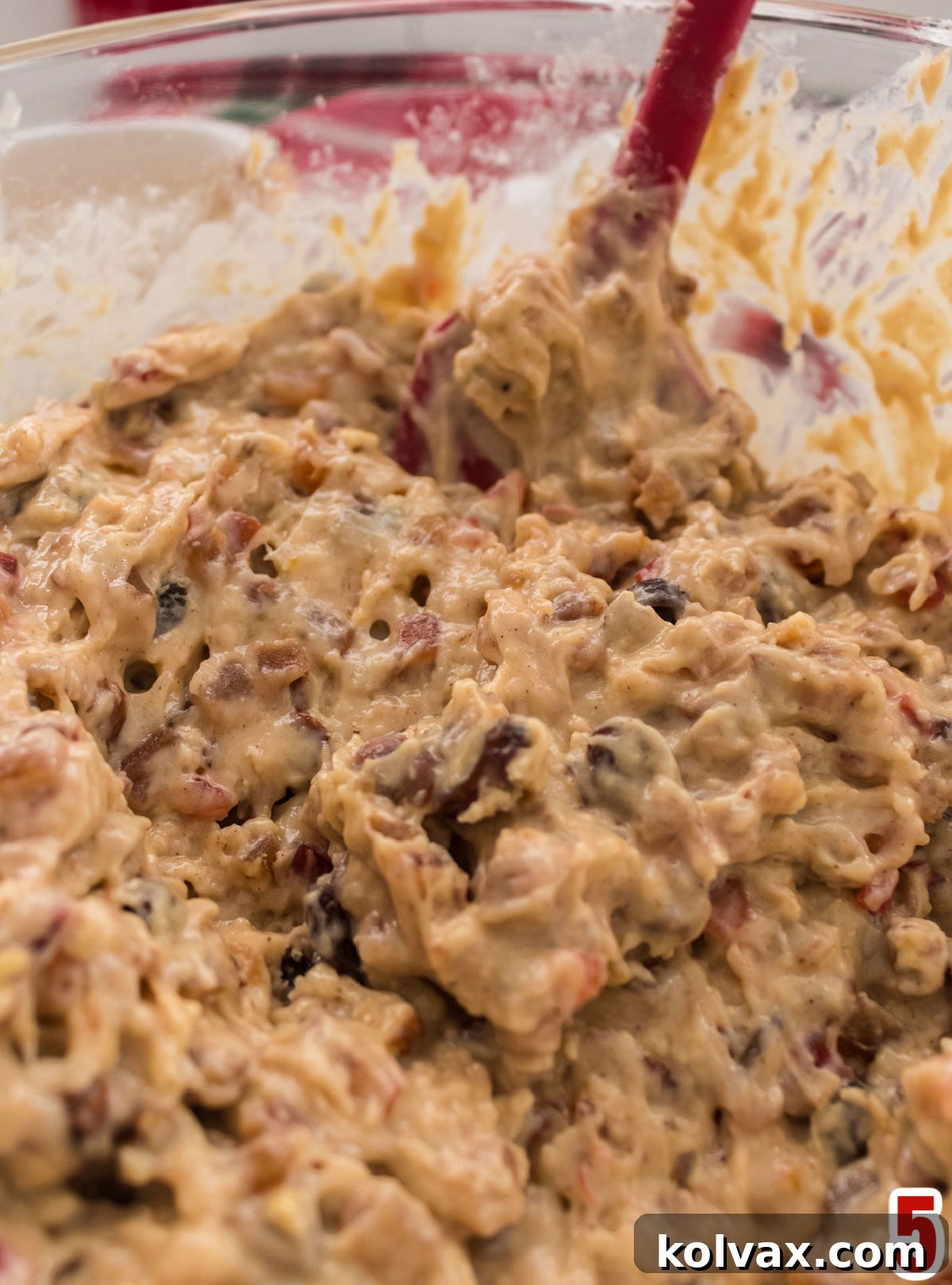
Your fruit cake batter is now ready for the oven. Its rich appearance and thick consistency are perfect indicators of the delicious cake to come. Proceed to the baking instructions to transform this batter into a holiday delight.
Baking Your Perfect Homemade Fruit Cake
Once your rich, dense fruit cake batter is prepared, the baking process is crucial to achieving that golden-brown exterior and perfectly cooked interior. Follow these instructions closely for a flawless homemade fruit cake that will impress everyone.
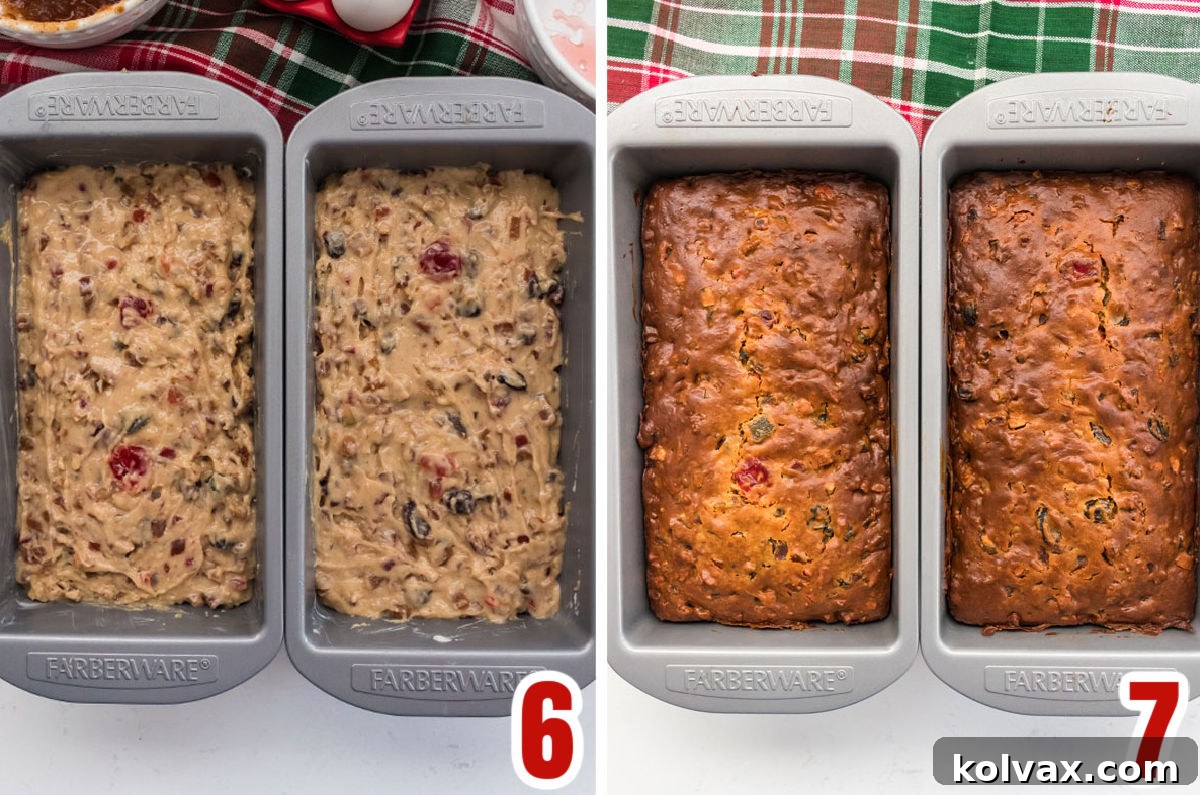
Step 6: Prepare Your Baking Pans. Start by thoroughly buttering two standard loaf pans, or one 9-inch tube pan, ensuring every inch of the interior surface is coated. This butter layer helps prevent sticking and adds a lovely flavor to the crust. Next, line the buttered pans with waxed paper. This step is essential for easy removal of the heavy fruit cakes and ensures they don’t stick. Butter the waxed paper again to create a non-stick surface. Once the pans are prepped, carefully spoon the dense fruit cake batter into them, distributing it evenly. Gently smooth the top of the batter with the back of a spoon or spatula to ensure an even bake.
Step 7: Bake to Perfection. Preheat your oven to 300 degrees Fahrenheit (150 degrees Celsius). A lower temperature is important for fruit cake to allow it to cook through without burning the exterior due to its high sugar content and density. Place the prepared pans into the preheated oven and bake for approximately 75-80 minutes. Baking time may vary slightly depending on your oven, so keep an eye on them. The fruit cakes are ready when their tops are a beautiful golden brown and the center springs back gently when lightly touched. Due to the high fruit content and dense nature of the batter, fruit cakes typically do not rise significantly like lighter sponge cakes; they maintain a relatively flat top, which is perfectly normal and desired. Once baked, remove the cakes from the oven and allow them to cool completely in their pans on a wire rack. Patience during this cooling phase is vital; the cakes are still setting, and moving them too soon can cause them to break. Complete cooling is also critical before proceeding to the ripening stage.
The Art of Ripening: Elevating Your Fruit Cake’s Flavor
Ripening is the transformative secret behind truly exceptional fruit cake. This essential process involves soaking the cake in alcohol, not only to preserve it but, more importantly, to deepen its flavors and ensure unparalleled moisture. It’s a tradition that turns a delicious cake into a magnificent holiday indulgence. If you’ve never experienced a properly ripened fruit cake, prepare for a revelation!
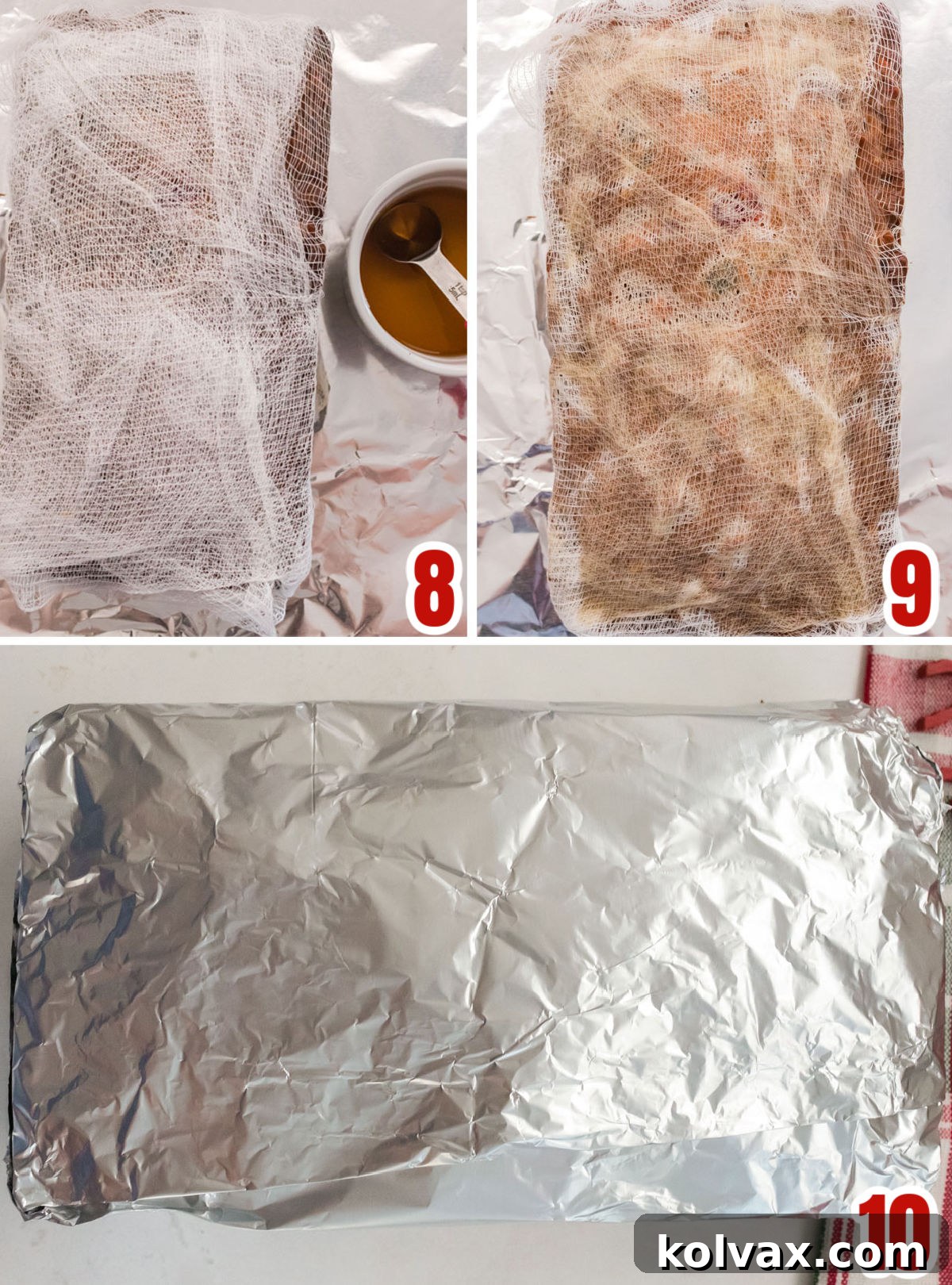
Step 8: The Cheesecloth Wrap. Once your fruit cake(s) have cooled completely to room temperature, it’s time for the first crucial step in ripening: wrapping them in cheesecloth. You can easily find cheesecloth at most grocery stores, large retailers like Target and Walmart, or online. This step is far more important than it might seem. The cheesecloth acts as a barrier, preventing the foil from directly touching the cake, which is vital for proper alcohol absorption and to prevent the cake from developing a metallic taste. Moreover, it creates a porous layer that allows the alcohol to distribute slowly and evenly throughout the cake, ensuring deep infusion without oversaturating any single area. If you were to just use foil, the alcohol would evaporate quickly, leaving you with a less flavorful and less moist cake.
Step 9: Initial Alcohol Infusion. With your fruitcake(s) snugly wrapped in cheesecloth, it’s time for the first application of your chosen liquor. We highly recommend brandy for its classic pairing with fruit cake, offering a warm, fruity aroma that complements the cake’s ingredients beautifully. However, you have several excellent alternatives: dark rum provides a rich, molasses-like depth; whisky offers a smoky, complex character; sherry lends a nutty, slightly sweet note; and an orange-flavored liqueur can brighten the cake with citrusy zest. Carefully sprinkle or gently brush the cheesecloth-wrapped loaves with a generous amount of your chosen spirit. Aim for even saturation. If you prefer a non-alcoholic fruit cake, you can use orange juice for this step. Be aware, however, that while orange juice will add moisture and flavor, it will not offer the same preservative qualities as alcohol. Consequently, a non-alcoholic fruit cake will only last for approximately 3-4 days at room temperature, whereas an alcohol-ripened cake can last for months.
Step 10: Weekly Feeding and Storage. After the initial dousing, wrap the cheesecloth-covered cakes tightly in aluminum foil. This seals in the moisture and alcohol, preventing evaporation. Then, place the foil-wrapped cakes into a large plastic bag (a large zip-top bag or even a clean grocery bag works well). Store them in a cool, dark place, such as a pantry or a cool cupboard. The ripening process requires consistency: once a week, for at least four consecutive weeks, retrieve your fruit cakes. Unwrap the foil and carefully brush or pour 2-3 tablespoons of your chosen liquor over each cake, ensuring the cheesecloth becomes damp. Re-wrap tightly in foil and return to the plastic bag. This weekly feeding allows the alcohol to gradually penetrate every part of the cake, tenderizing it, enhancing its flavors, and prolonging its shelf life. The longer you ripen your fruitcakes (up to 2-3 months is ideal for deep flavor development), the more complex and delicious they will become. After a minimum of 4 weeks of dedicated ripening, your fruitcakes will be ready to be enjoyed or stored for later. Fruitcakes freeze exceptionally well at this stage.
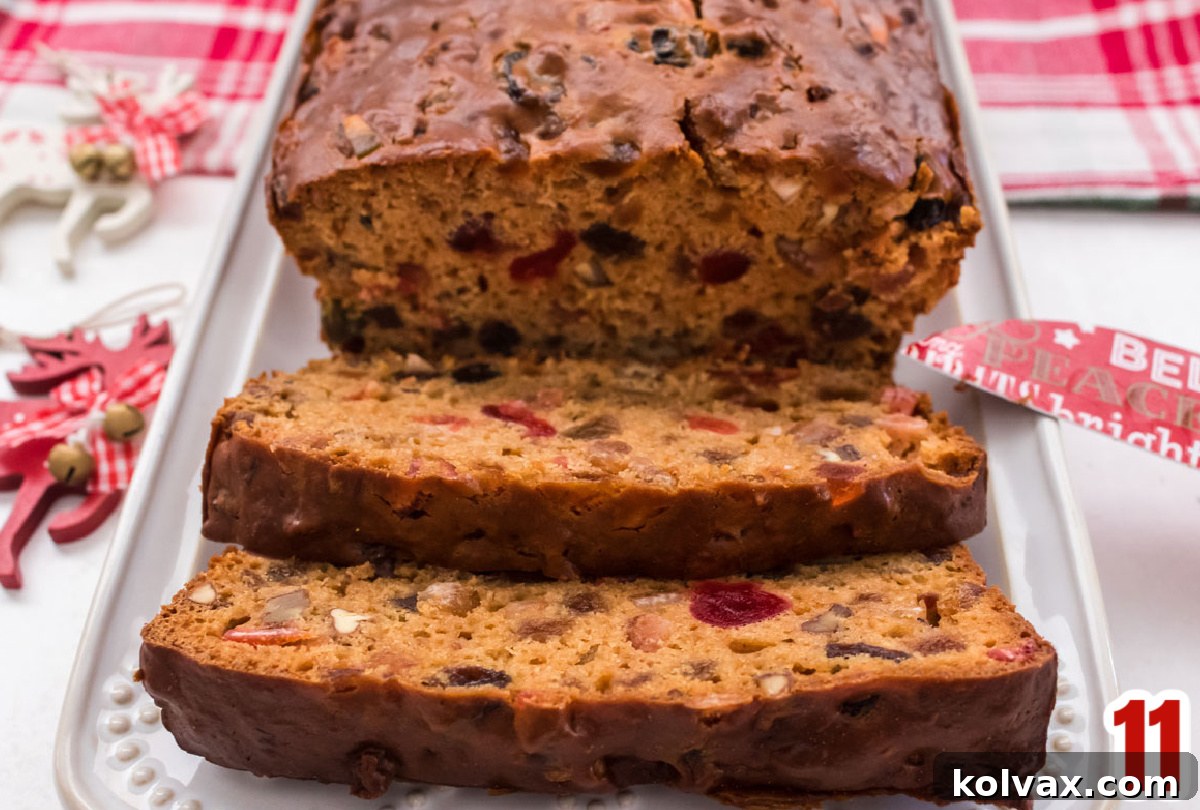
Step 11: Serving and Storing Your Masterpiece. The wait is over, and your beautifully ripened fruit cake is ready to be savored! For the best flavor and texture, always serve your fruit cake at room temperature. This allows the complex aromas and moistness to truly shine. To store your delicious creation, you have several options: a ripened fruit cake can be kept at room temperature, wrapped tightly in plastic wrap and then foil, for up to one month. For longer storage, it can be refrigerated for up to 6 months. For truly extended freshness, fruit cakes freeze exceptionally well for up to a year. Remember, it’s crucial to complete the ripening process (Steps 8-10) before freezing your fruit cake. Freezing a well-ripened cake locks in its exquisite flavors and moisture, ready for you to enjoy any time of year. Simply thaw at room temperature before serving. Enjoy this cherished holiday tradition!
More Festive Holiday Dessert Recipes to Explore
If you loved making and savoring this traditional fruit cake, you’re in for a treat! Our collection of holiday desserts is designed to bring joy and deliciousness to your festive celebrations. Explore these other delightful Christmas cake recipes that are sure to become new family favorites:
- Homemade Gingerbread Cake: A classic holiday flavor, warm and spicy, perfect for a cozy winter evening.
- Peppermint Marshmallow No-Bake Cake Dessert: A refreshing and easy no-bake option featuring a cool peppermint twist.
- Christmas Mini Bundt Cakes: Adorable individual cakes, perfect for gifting or serving at a holiday party.
- Christmas Swirl Cupcakes: Fun, colorful, and festive cupcakes that are always a hit with kids and adults alike.
Each recipe brings its own unique charm to your holiday table, offering a variety of flavors and styles to suit every preference.
Did you Make This Recipe? We’d love to hear about your experience! Leave a review below to share your thoughts. Don’t forget to snap a picture of your beautiful creation and tag @twosisterscrafting on Instagram so we can see your amazing work!
Stay Connected with Us! For more delicious recipes, crafting ideas, and holiday inspiration, be sure to follow us on Pinterest, Facebook, and Instagram!
 Print Recipe
The Best Fruit Cake Recipe
This is truly The Best Fruit Cake Recipe we’ve ever come across. It will make a moist, delicious, dense, fruity cake with deep flavors and not the candied mess that is sold at markets. Perfect for holiday traditions!
Ingredients
- 2 1/2 cups All-Purpose Flour (sifted)
- 1 teaspoon Baking Soda
- 1 jar Mincemeat (28 oz.)
- 1 can Sweetened Condensed Milk (14 oz.)
- 2 Large Eggs
- 2 cups Mixed Candied Fruit (1 lb. jar)
- 1 cup Chopped Walnuts (or Pecans)
- Alcohol for Ripening the Fruit Cake (Brandy, Dark Rum, Whisky, Sherry, or Orange-flavored Liqueur)
Instructions
- In a large mixing bowl, combine eggs, mincemeat, sweetened condensed milk, and candied fruit. Fold together with a spoon until evenly combined.
- Add the chopped nuts to the mixture. Stir until they are well distributed.
- Give the mixture a final stir to ensure all wet ingredients and fruits are thoroughly combined.
- Gradually add the sifted flour and baking soda to the bowl.
- Gently fold the dry ingredients into the wet mixture until just combined and no streaks of flour remain. Be careful not to overmix.
- Butter 2 loaf pans (or 1-9 inch tube pan) and line them with waxed paper. Butter the waxed paper as well. Pour the fruit cake batter into the prepared pans, smoothing the tops.
- Bake in a preheated oven at 300°F (150°C) for 75-80 minutes, or until golden brown and a gentle touch to the center springs back. Allow cakes to cool completely on a wire rack.
- To ripen, once cooled, wrap each fruitcake in cheesecloth. This protects the cake from foil contact and ensures even alcohol absorption.
- Generously sprinkle or brush the cheesecloth-wrapped loaves with your chosen liquor (brandy, dark rum, whisky, sherry, or orange-flavored liqueur). For a non-alcoholic version, use orange juice (note: cake will only last 3-4 days).
- Wrap the cakes tightly in foil, then place them in a plastic bag. Store in a cool, dark place. Once a week for four weeks, unwrap, brush/pour 2-3 tablespoons of liquor over each cake, then re-wrap. Ripen for at least 4 weeks. Cakes can then be eaten or frozen.
- Serve fruit cake at room temperature for optimal flavor.
Did you Make this Recipe? Leave a review below, then snap a picture and tag @twosisterscrafting on Instagram so we can see it!