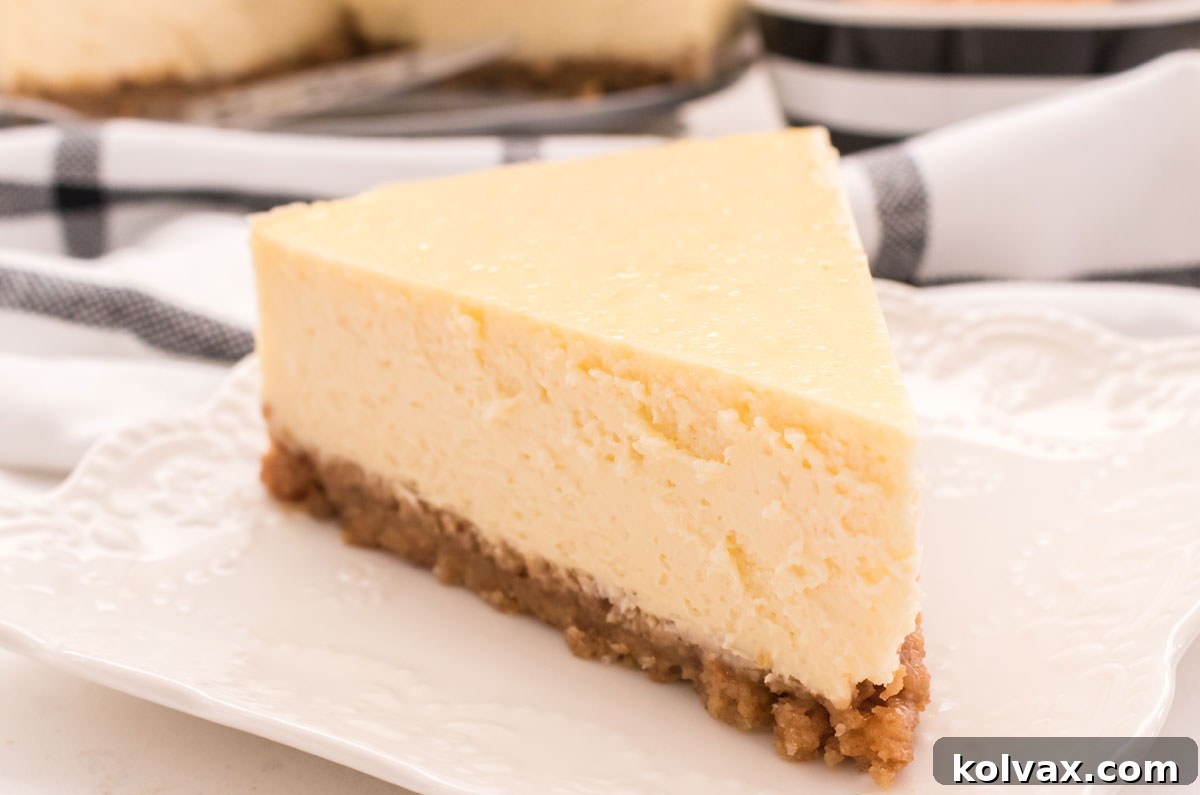
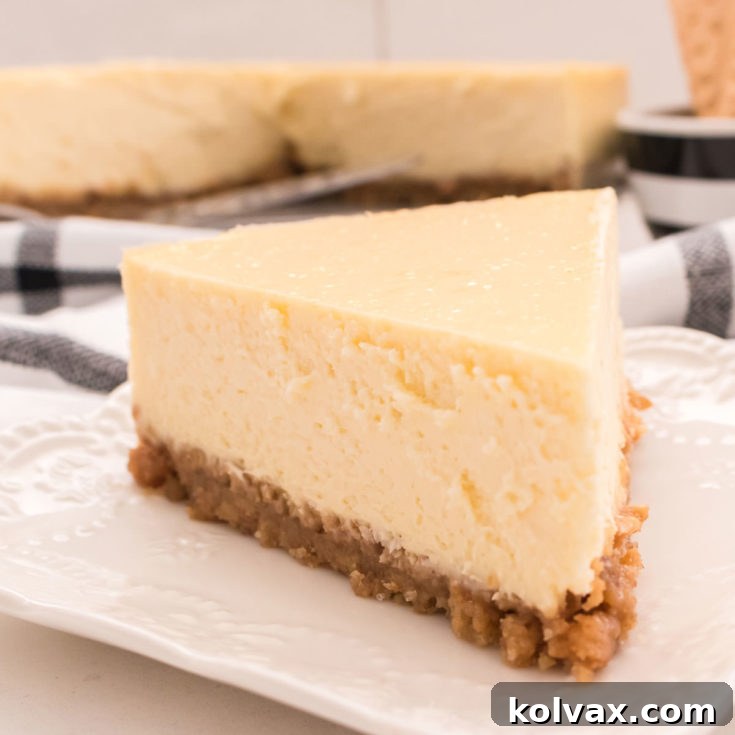
Welcome to the ultimate guide for creating a truly Classic Cheesecake Recipe that will impress everyone. Forget store-bought desserts; nothing compares to the rich, creamy texture and vibrant tang of a perfectly homemade cheesecake. This beloved dessert, a timeless masterpiece, features a thick and buttery Graham Cracker Crust perfectly complementing a tangy Cream Cheese filling that is both decadent and incredibly delicious. While there are countless variations of cheesecake out there, mastering the original classic recipe is the foundation for all future culinary adventures. And with our detailed instructions and expert tips, you’re just a few steps away from baking your new favorite dessert.
Often perceived as a challenging dessert, crafting a flawless cheesecake is surprisingly straightforward once you understand the core techniques. Our recipe demystifies the process, guiding you through each stage from preparing the crunchy base to achieving that iconic smooth, crack-free top. Whether you’re a seasoned baker or just starting your journey, this easy cheesecake recipe promises a rewarding experience and a dessert that tastes as good as it looks. Get ready to bake a showstopper that will become a staple in your repertoire.
Why You Will Love This Classic Cheesecake
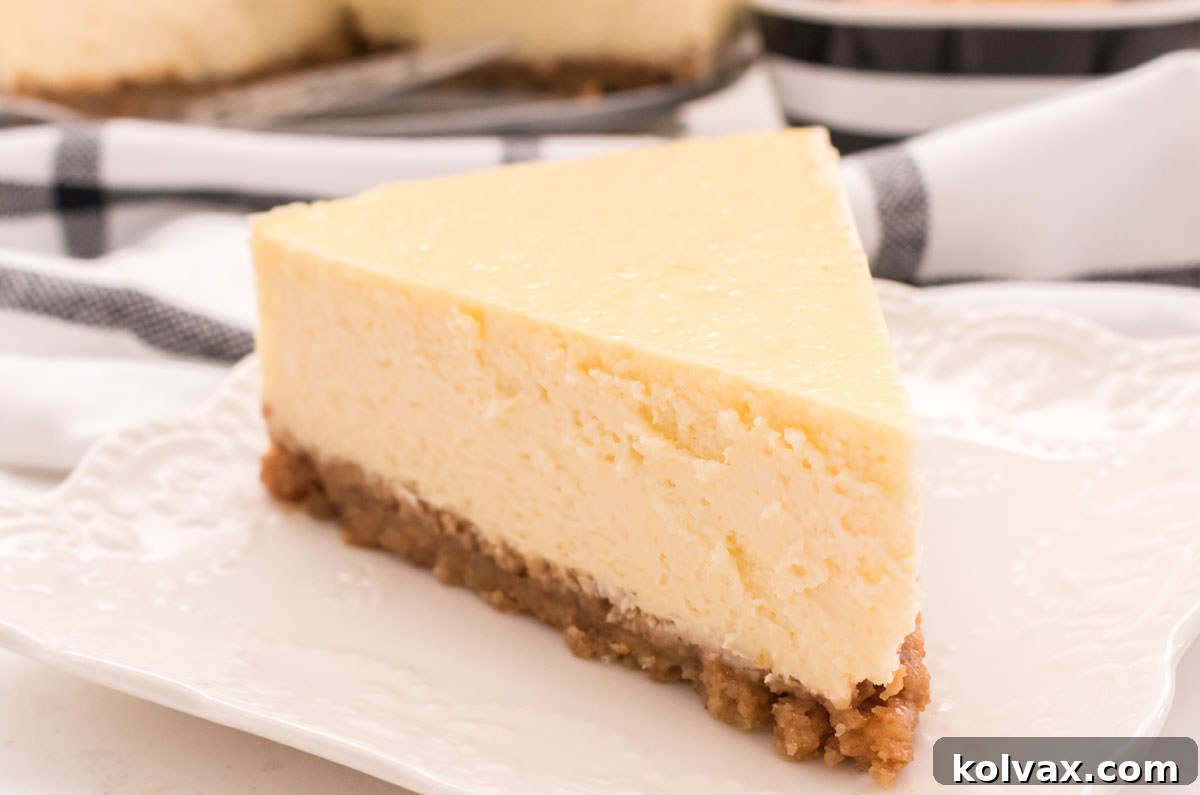
There’s a reason why classic cheesecake remains an enduring favorite across generations. Its simple elegance belies a complex flavor profile that hits all the right notes: sweet, tangy, and deeply satisfying. This recipe delivers a cheesecake with an unparalleled creamy texture that melts in your mouth, perfectly balanced by the buttery, slightly salty graham cracker crust. It’s the ideal dessert for any occasion, from casual family dinners to elegant holiday gatherings. Plus, the sense of accomplishment from baking such a magnificent dessert from scratch is incredibly rewarding.
- Unmatched Creaminess: Achieved through careful mixing and proper baking techniques, ensuring a smooth, luxurious filling.
- Perfectly Balanced Flavors: The slight tang from the cream cheese and sour cream is beautifully complemented by the sweetness, creating a harmonious taste.
- Irresistible Graham Cracker Crust: A simple yet essential component, offering a delightful crunch and buttery flavor.
- Crowd-Pleasing Dessert: A universally loved treat that rarely disappoints, making it perfect for entertaining.
- Versatile Canvas: While delicious on its own, it serves as a fantastic base for various toppings, allowing for endless customization.
Essential Ingredients for Your Classic Cheesecake
Crafting the perfect cheesecake starts with selecting the right ingredients. Quality makes a noticeable difference, especially when it comes to the cream cheese. Ensure all cold ingredients, especially the cream cheese and eggs, are at room temperature before you begin. This is crucial for achieving a smooth, lump-free batter.
Graham Cracker Crust Ingredients
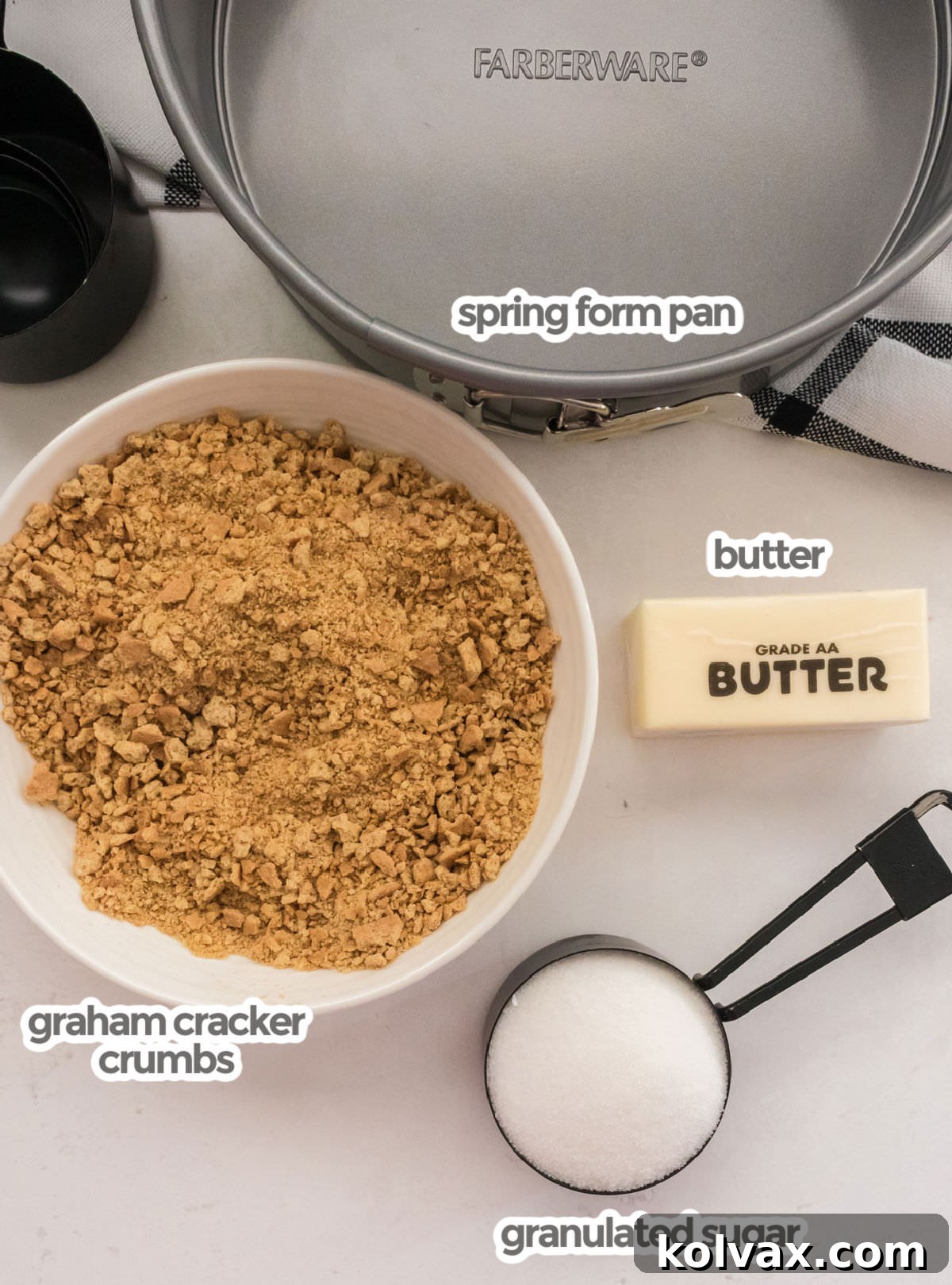
- 2 cups Graham Cracker Crumbs: You can buy pre-crushed crumbs or crush whole graham crackers in a food processor or by hand using a plastic bag and rolling pin.
- 1/2 cup Granulated Sugar: Adds a touch of sweetness to the crust.
- 1/2 cup Butter (Sweet Cream, Salted): Melted and then mixed with the crumbs to bind them together, creating a rich, buttery base. Unsalted butter can also be used, with a pinch of salt added if desired.
Cheesecake Filling Ingredients
- 32 oz Cream Cheese (Block, not whipped): Use full-fat, block cream cheese for the best texture and flavor. Whipped cream cheese contains too much air and will alter the consistency of your cheesecake. Ensure it’s at room temperature for smooth mixing.
- 1 cup Granulated Sugar: Sweetens the creamy filling.
- 1/2 cup Sour Cream: Adds an essential tang and contributes to the cheesecake’s incredibly smooth texture. Also, ensure it’s at room temperature.
- 2 teaspoons Vanilla Extract: Provides warmth and depth to the flavor profile. Pure vanilla extract is recommended.
- 1/8 teaspoon Salt: A small pinch enhances all the other flavors, balancing the sweetness.
- 4 large Eggs (Room temperature and lightly beaten): Eggs are crucial for structure and richness. Adding them one at a time and mixing just until incorporated prevents overmixing, which can lead to cracks.
How to Make the Perfect Graham Cracker Crust
The crust is the foundation of your cheesecake, and a good one makes all the difference. This simple yet crucial step sets the stage for a truly delightful dessert. Follow these steps carefully to achieve a firm, flavorful, and perfectly baked base.
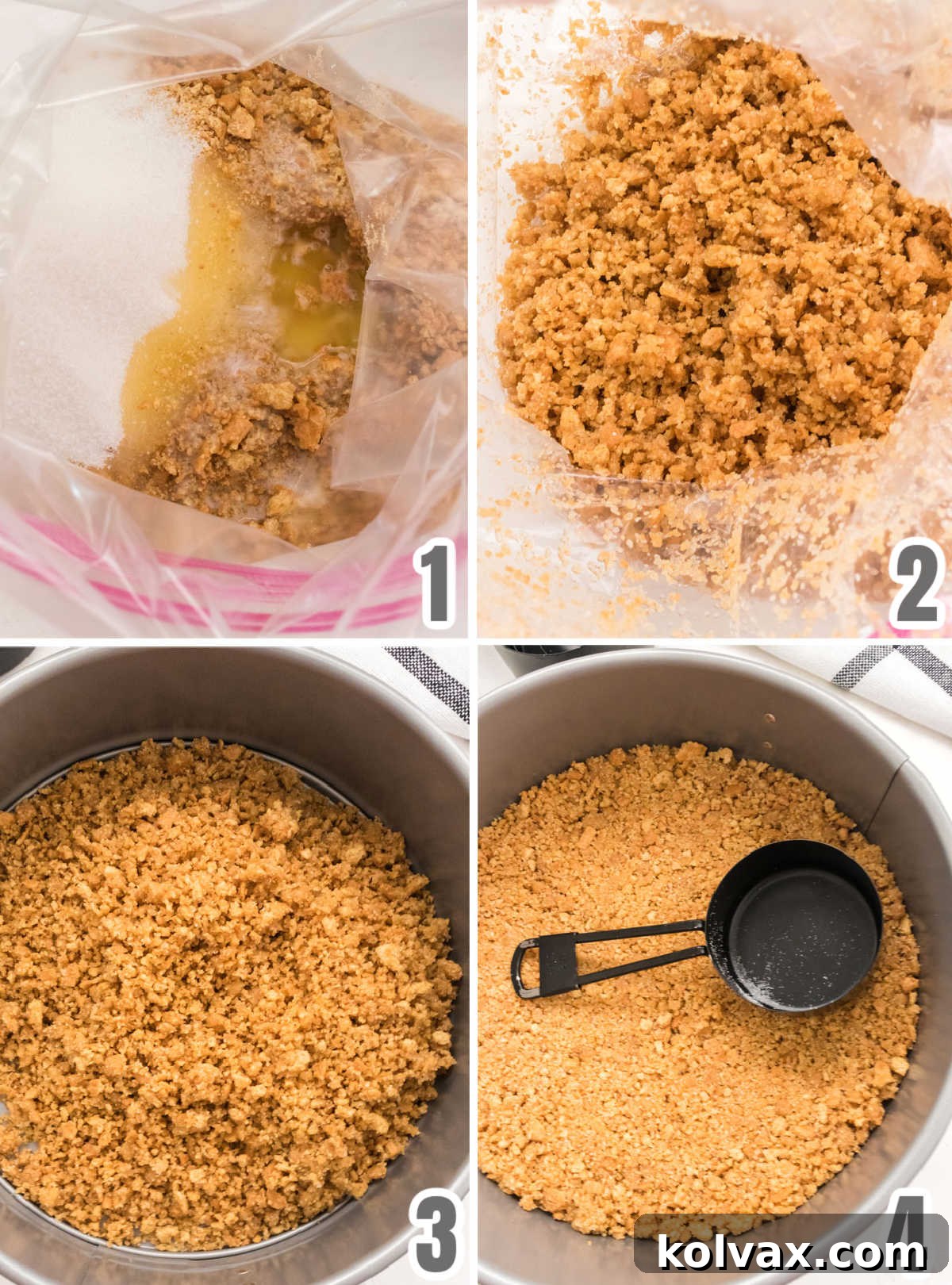
Step 1: Combine Ingredients. Begin by pouring the graham cracker crumbs, granulated sugar, and melted butter into a large plastic baggie or a medium-sized bowl. If using a baggie, ensure it’s sealed tightly to prevent spills.
Step 2: Mix Thoroughly. If using a baggie, gently massage the mixture until the graham cracker crumbs are completely and evenly coated in the melted butter. If using a bowl, use a fork or your hands to mix until the crumbs resemble wet sand. This ensures a cohesive crust that won’t crumble apart.
Step 3: Form the Crust. Press the butter-coated graham cracker crumbs firmly into the bottom of an 8-9 inch springform pan. A springform pan is essential for easy removal of the baked cheesecake. Ensure the crumbs extend evenly across the entire base of the pan.
Step 4: Compact the Crust. For a truly sturdy and compact crust, use the bottom of a flat-bottomed measuring cup or a glass to firmly pat down the crumbs. This step is vital for preventing the crust from breaking apart when you slice the cheesecake. Once compacted, bake the graham cracker crust in an oven preheated to 350 degrees Fahrenheit (175°C) for eight minutes. This pre-baking helps to set the crust and makes it extra crispy. After baking, remove the crust from the oven and set it aside to cool slightly while you prepare the filling.
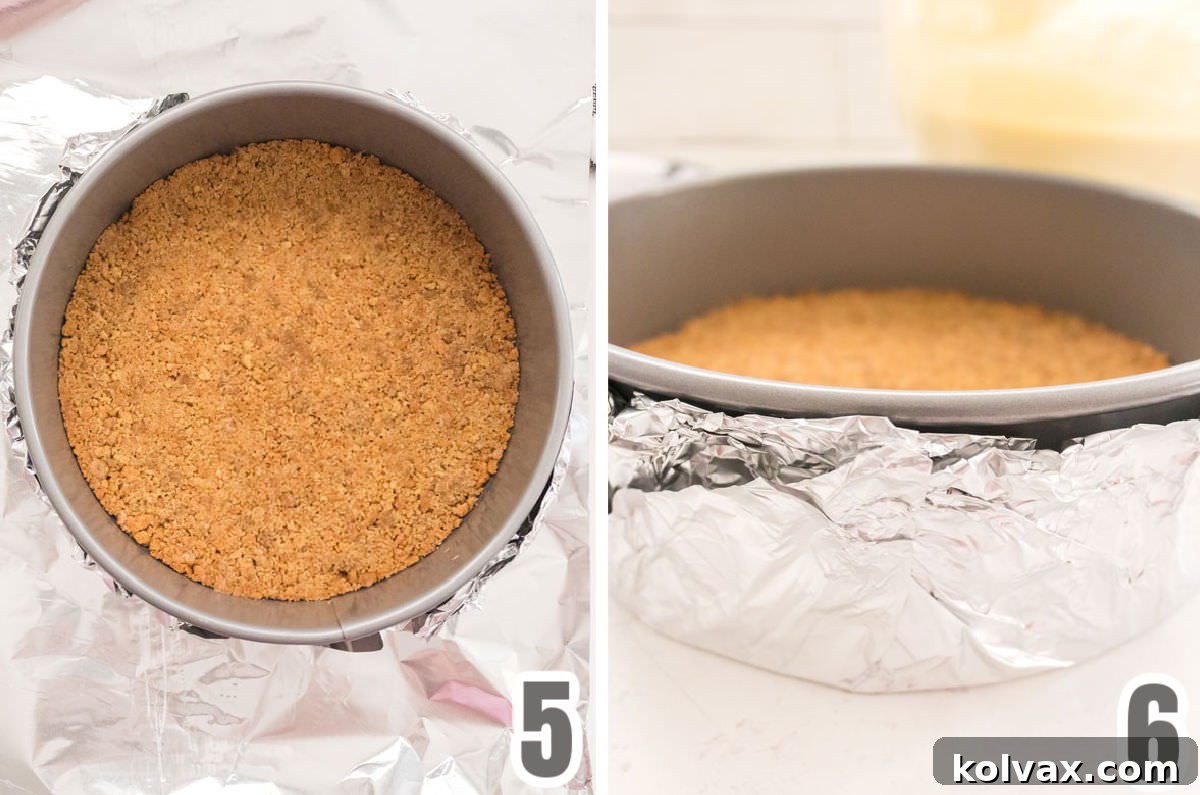
Step 5 and 6: Prepare for the Water Bath. Before adding the filling, carefully wrap the springform pan in several layers of heavy-duty aluminum foil. Ensure the foil extends well up the sides of the pan. This meticulous wrapping prevents water from the essential water bath from seeping into your crust and making it soggy. Once wrapped, place the foil-covered springform pan into a larger roasting pan. This setup is crucial for the even baking and creamy texture of your homemade cheesecake.
Crafting the Irresistible Cheesecake Mixture
The filling is the heart of your cheesecake, and achieving that signature smooth, velvety texture requires attention to detail. The key is to mix the ingredients just enough to combine them without incorporating too much air, which can lead to cracks during baking. Always ensure your cream cheese, sour cream, and eggs are at room temperature before you start; this helps them blend smoothly and prevents lumps.
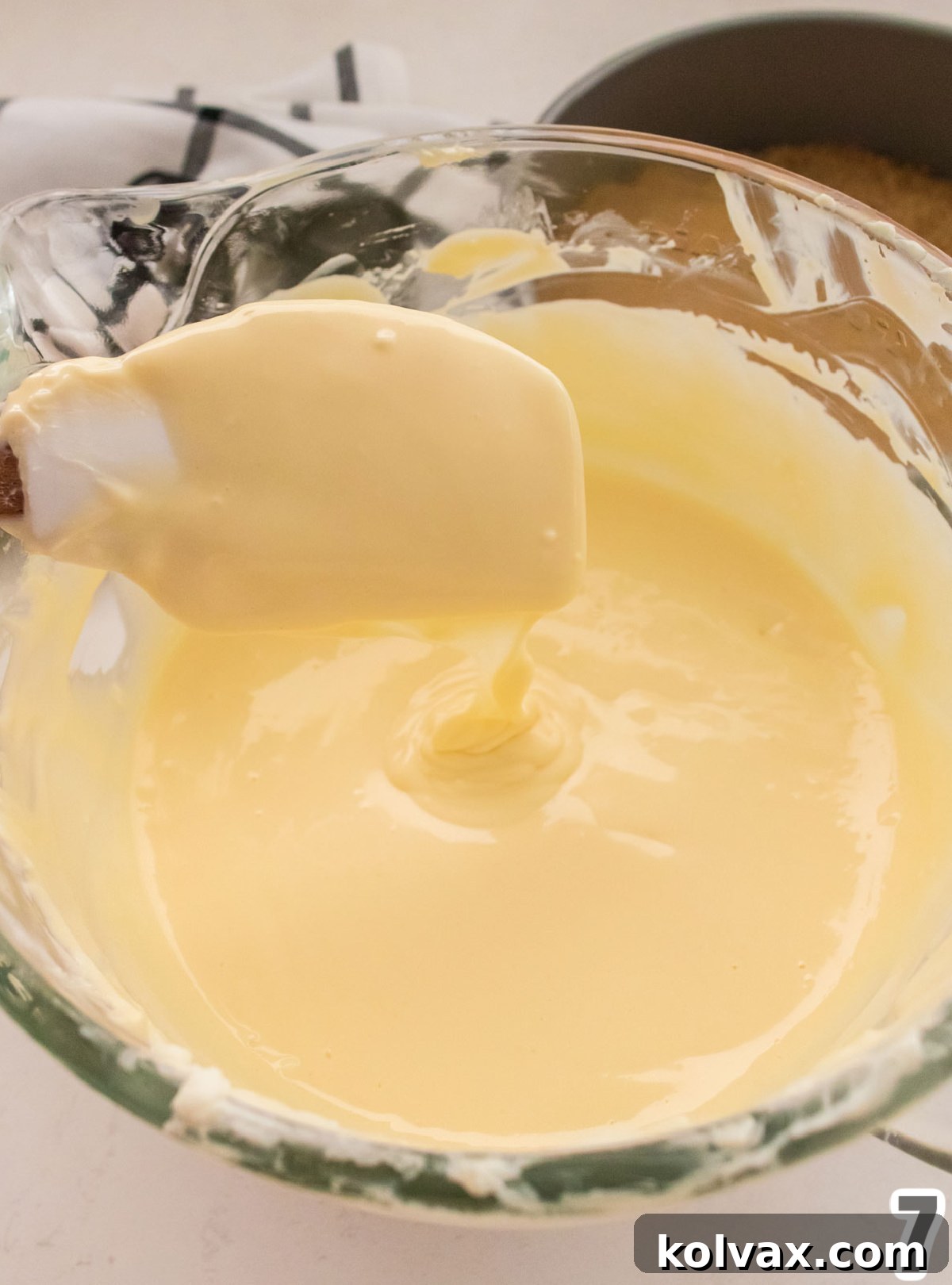
Step 7: Prepare the Filling. Begin by placing the room temperature block cream cheese into a large mixing bowl. Using a hand mixer or a stand mixer fitted with the paddle attachment, beat the cream cheese on medium-low speed until it is completely smooth and free of any lumps. This initial step is vital for a creamy final product. Next, gradually add the granulated sugar, mixing until just combined. Be careful not to overmix at this stage.
After the sugar is incorporated, add the sour cream, vanilla extract, and salt. Continue mixing on low speed until everything is just blended. During this process, make sure to stop and scrape down the sides and bottom of the bowl frequently with a rubber spatula. This ensures all ingredients are fully incorporated and no unmixed pockets remain, which is especially important when using a stand mixer.
Finally, incorporate the eggs. Break one large egg into a separate cup and lightly beat it with a fork. Add this lightly beaten egg to the cream cheese mixture and mix on very low speed until it is *just* incorporated. Overmixing eggs can introduce too much air into the batter, leading to cracks in your finished cheesecake. Repeat this process with the remaining three eggs, adding them one at a time and mixing only until each is just blended before adding the next. Your cheesecake mixture should be silky smooth and pourable.
Baking and Cooling Instructions for a Perfect Cheesecake
Baking a creamy cheesecake requires patience and a specific technique to achieve that signature smooth top and delicate texture. The water bath is your secret weapon, providing a moist, even heat that prevents cracks and over-baking. The cooling process is equally important, allowing the cheesecake to set gradually and maintain its beautiful form.
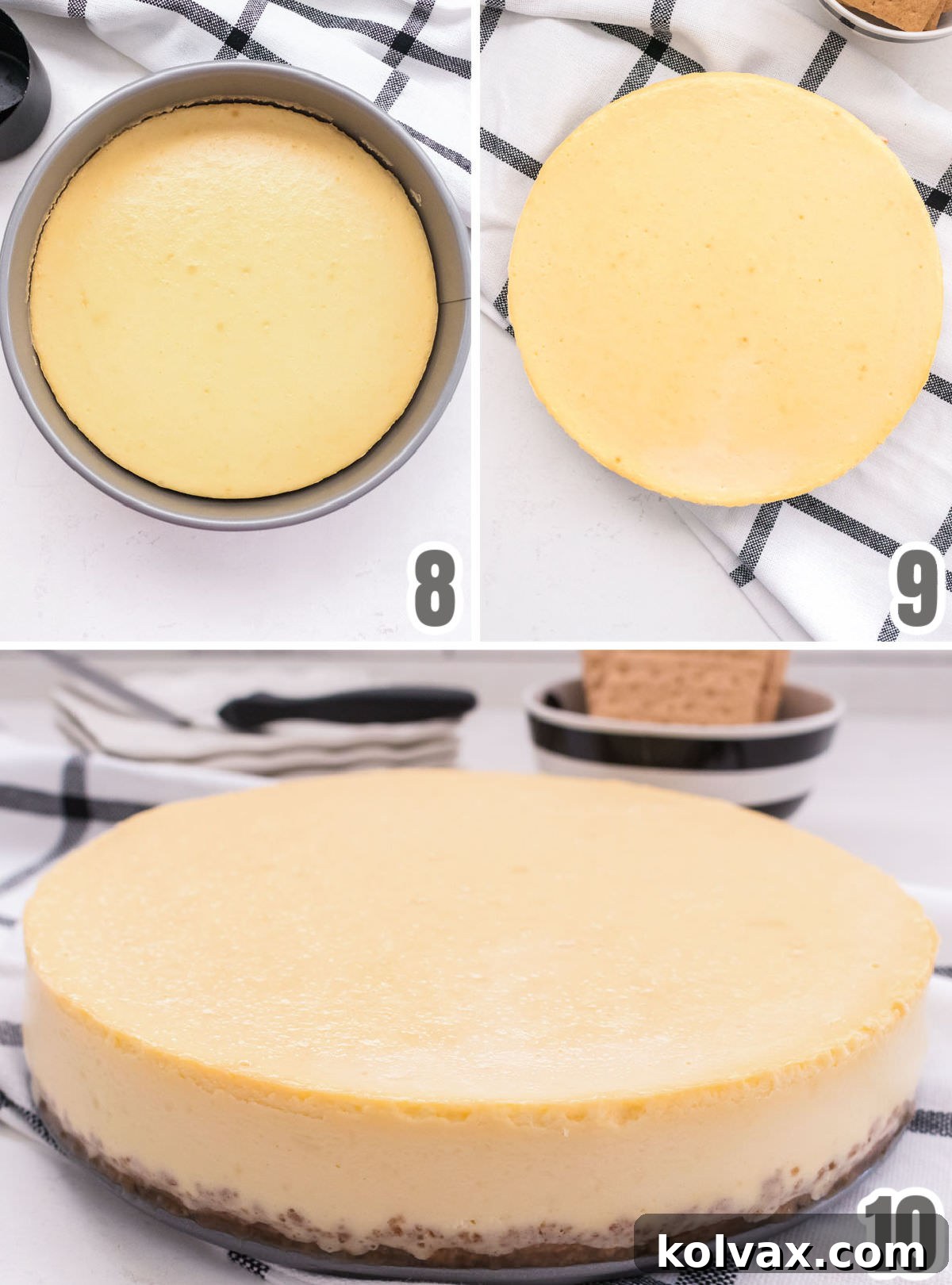
Step 8: Bake with a Water Bath. Carefully pour the prepared cheesecake mixture into the springform pan, which is already sitting inside the larger roasting pan with its foil wrapping. Now, here’s a crucial tip for ease: place the roasting pan containing the cheesecake into your oven, which should be preheated to 350 degrees Fahrenheit (175°C). Once in the oven, carefully pour approximately one inch of hot water into the larger roasting pan, surrounding the springform pan. This creates the essential water bath. Bake the cheesecake for 55-60 minutes. You’ll know it’s done when the edges appear slightly puffed and set, but there’s still a slight, gentle wobble in the very center when you lightly jiggle the pan. This wobble indicates perfect doneness; it will continue to set as it cools.
Step 9: Gradual Cooling. Once the baking time is complete, turn off the oven but do not immediately remove the cheesecake. Instead, open the oven door slightly, propping it open with a wooden spoon. Allow the cheesecake to slowly cool in the diminishing heat of the oven for 1 hour. This gradual cooling prevents drastic temperature changes that can cause cracks on the cheesecake’s surface. After an hour, carefully remove the cheesecake from the oven and lift it out of the water bath. Place the springform pan on a wire rack on your counter and allow it to cool completely to room temperature. This can take several hours. Once it reaches room temperature, transfer the cheesecake to the refrigerator and chill for at least 4 hours, or ideally, overnight. Chilling is crucial for the cheesecake to firm up and for the flavors to fully meld. To remove the cheesecake from the springform pan, run a thin knife carefully around the outer edge of the cheesecake before unlocking and removing the springform collar.
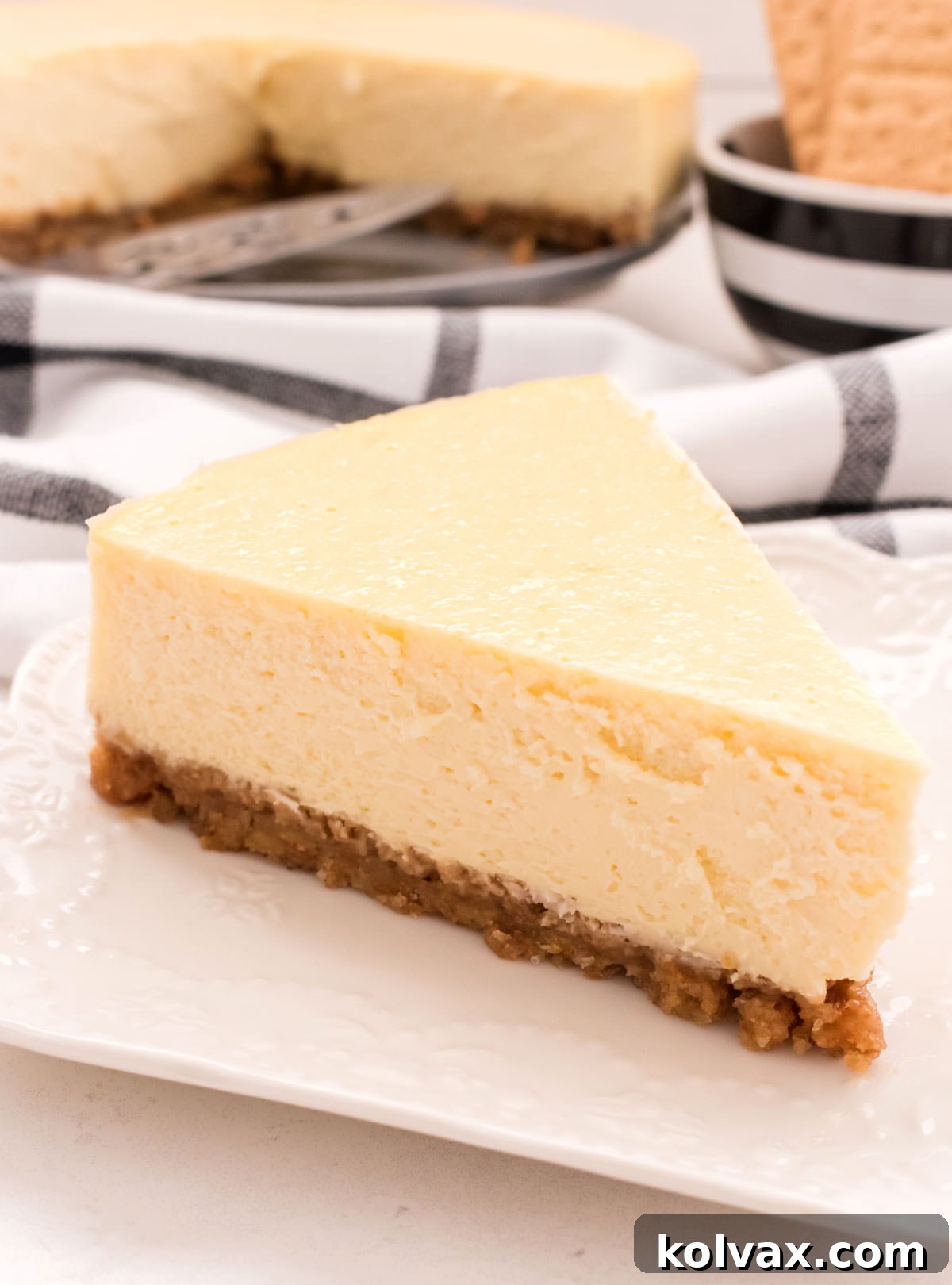
Step 10: Serving and Storage. Your classic cheesecake is now ready to be enjoyed! While it must be stored in the refrigerator to maintain its freshness and texture, many connoisseurs agree that cheesecake tastes best when served at room temperature. For optimal flavor and creaminess, take your cheesecake out of the refrigerator 30-45 minutes before you plan to serve it. This allows the flavors to awaken and the texture to soften slightly. Store any leftovers tightly covered in the refrigerator for up to 3-4 days.
Expert Tips and FAQs for Cheesecake Success
Achieving a perfect cheesecake can seem daunting, but with a few expert tips and answers to common questions, you’ll be baking like a pro in no time. These insights will help you avoid common pitfalls and ensure your classic cheesecake turns out flawlessly every time.
Yes, absolutely! A springform pan is essential for baking cheesecake. Traditional cake pans are not tall enough on the sides to accommodate the cheesecake’s depth, and removing a delicate, baked cheesecake from a standard pan without damaging the crust or the filling would be incredibly difficult, if not impossible. The removable sides of a springform pan allow for effortless presentation.
While it might seem like an extra step, the water bath is a non-negotiable technique for a truly perfect cheesecake. It introduces a moist, steamy environment into the oven, which helps the cheesecake bake evenly and gently. This prevents the cheesecake from drying out, cracking on top, and over-baking around the edges while the center remains undercooked. The water bath is key to achieving that signature silky-smooth texture.
For this classic cheesecake recipe, you must use full-fat, block cream cheese. Avoid using whipped cream cheese or cream cheese spreads. Whipped cream cheese has too much air incorporated into it, and its lighter consistency will significantly change the texture and density of your baked cheesecake, resulting in a less rich and firm product. Always opt for the solid blocks for the best results.
Several factors contribute to a crack-free cheesecake. First, ensure all cold ingredients are at room temperature. Second, avoid overmixing the batter, especially after adding the eggs, as this incorporates too much air. Third, use a water bath during baking. Finally, the gradual cooling process (leaving it in the oven with the door ajar, then cooling to room temperature, then chilling) is critical. Rapid temperature changes are a common cause of cracks.
Absolutely! Cheesecake is an excellent make-ahead dessert. In fact, chilling it overnight or for at least 8 hours allows the flavors to fully develop and the texture to set perfectly. You can bake it up to 2-3 days in advance and keep it stored in the refrigerator, tightly covered, until ready to serve. This makes it a fantastic option for entertaining.
Serving Suggestions and Delicious Toppings
While this classic cheesecake is absolutely divine on its own, it also serves as a perfect canvas for a variety of toppings and accompaniments. Elevate your dessert experience with these delightful ideas:
- Fresh Berries: A vibrant mix of strawberries, blueberries, raspberries, or blackberries adds a burst of freshness and color.
- Fruit Compote: A homemade berry or cherry compote, slightly tart, complements the creamy richness beautifully.
- Chocolate Ganache: A decadent drizzle of dark or milk chocolate ganache offers a luxurious touch.
- Caramel Sauce: A sweet and salty caramel sauce provides a sophisticated flavor pairing.
- Whipped Cream: A simple dollop of freshly whipped cream adds a light and airy contrast.
- Lemon Curd: For an extra tangy kick, a spoonful of homemade lemon curd is a fantastic choice.
Other Classic Desserts You Will Love
If you’ve enjoyed mastering this easy cheesecake recipe, explore more timeless treats from our collection. These desserts offer comfort, nostalgia, and a delicious way to end any meal.
- English Trifle
- Bread Pudding
- Banana Pudding
- Strawberry Shortcake
Did you Make This Recipe? Leave a review below, then snap a picture and tag @twosisterscrafting on Instagram so we can see it!
And don’t forget to follow us on Pinterest, Facebook, and Instagram for more delicious recipes and baking inspiration!
 Print
Print
Classic Cheesecake Recipe
12 servings
35 minutes
1 hour
1 hour 35 minutes
This Classic Cheesecake Recipe features a thick and buttery Graham Cracker Crust and a tangy Cream Cheese filling that is rich and decadent and very delicious.
Ingredients
Graham Cracker Crust
- 2 cups Graham Cracker Crumbs
- 1/2 cup Granulated Sugar
- 1/2 cup Butter (Sweet Cream, Salted)
Filling
- 32 oz Cream Cheese (Block, not whipped)
- 1 cup Granulated Sugar
- 1/2 cup Sour Cream
- 2 teaspoon Vanilla Extract
- 1/8 teaspoon Salt
- 4 large Eggs (Room temperature and lightly beaten)
Instructions
Graham Cracker Crust
- Pour the Graham Cracker crumbs, sugar, and melted butter into a large plastic baggie. Close the baggie and massage the graham cracker crumbs until they are completely covered in the melted butter.
- Press graham cracker crumbs into the bottom of an 8-9 inch springform pan. Use the bottom of a measuring cup to pat down the crust.
- Bake the Graham Cracker Crust for eight minutes in an oven preheated to 350 degrees.
- Remove the crust from the oven and set it aside.
Cheesecake
- Put cream cheese in a bowl and mix with a hand or stand mixer. Mix until smooth.
- Add sugar and mix.
- Add sour cream, vanilla, and salt. Stop and scrape down the sides a few times with your rubber spatula so all the ingredients get fully incorporated. (Don’t forget the bottom of the bowl too. This step is very important if you are using a stand mixer.)
- Break one egg into a cup and use a fork to lightly beat it. Add to mixture and mix till just incorporated. Repeat with the remaining three eggs, adding them to the cream cheese mixture one at a time.
- Pour mixture into the springform pan with the graham cracker crust.
- Wrap the springform pan in foil and put it in a larger roasting pan. Fill the roasting pan up to with approximately one inch of hot water. (Tip: put the cheesecake in the roasting pan in the oven and then fill the pan with hot water.)
- Bake in an oven preheated to 350 degrees for 55-60 minutes. The edges should puff up and there should be a slight wobble in the middle of the cheesecake when it is done.
- Once done, turn the oven off and open the oven door slightly. Let the cheesecake sit in the cooling oven for 1 hour. Remove the cheesecake from the oven and the water bath. Set the cheesecake on the counter and continue to let it cool till it is room temperature. Once it reaches room temperature put in the refrigerator for at least 4 hours or better yet overnight. To remove the cheesecake from the springform pan, take a knife and carefully run it around the edge of the cheesecake then unlock the springform pan.
- Cheesecake must be stored in the refrigerator but we think it tastes best at room temperature so we usually take it out of the refrigerator 30-45 minutes before we intend to serve it.
Notes
Cream Cheese: You need a regular block of cream cheese. The whipped cream cheese that they sell now has too much air in it and would change the consistency of this cheesecake recipe.
Springform Pans: You really need a springform pan for this recipe. A traditional cake pan will not be tall enough on the sides and it would be very hard to get the baked cheesecake out of a regular cake pan without ruining the graham cracker crust.
Water Bath: The water bath is essential when baking a cheesecake. The water puts a little bit of steam in the oven which will help make sure your cheesecake doesn’t dry out, doesn’t crack on the top, and in general, doesn’t over-bake.
Did you Make this Recipe? Leave a review below, then snap a picture and tag @twosisterscrafting on Instagram so we can see it!